Ophthalmology
Vision Correction Services in China
Laser Vision Correction | ICL Implantation | Cataracts | English-Speaking International Care
Home » Ophthalmology Care
Ophthalmology & Vision Correction Services
Excimer laser has been used clinically for myopia correction for nearly 30 years as a mature technique. However, it uses a microkeratome to create the corneal flap, which may cause uneven cutting.
Femtosecond laser is blade-free with higher precision, providing nearly painless surgery in about 10 minutes.
Cataract cold phacoemulsification removes the cloudy lens and implants an artificial intraocular lens to significantly improve vision, often restoring normal sight. Compared with traditional phacoemulsification, it alternates heat generation and cooling, greatly reducing heat during surgery to avoid corneal injury, resulting in faster recovery and better visual outcomes.
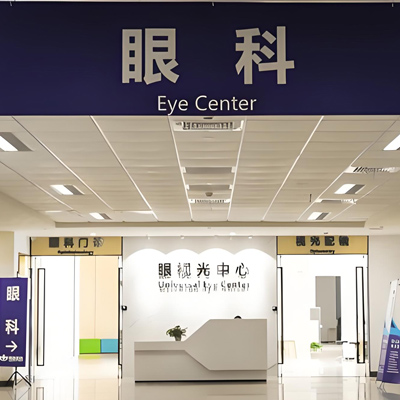
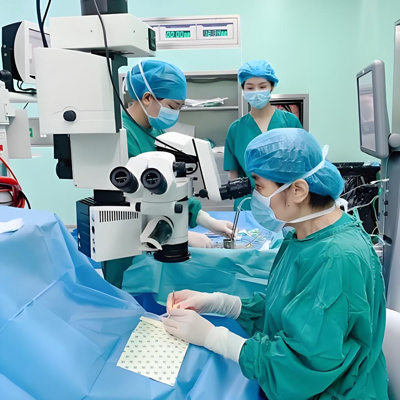
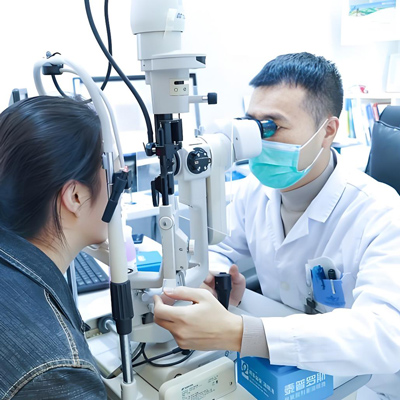
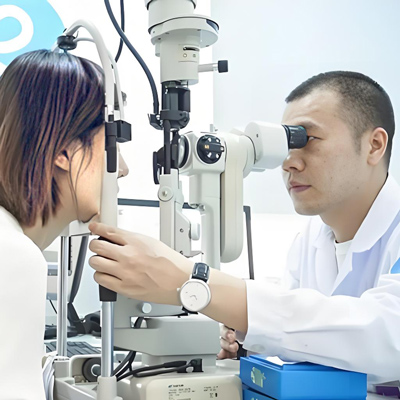
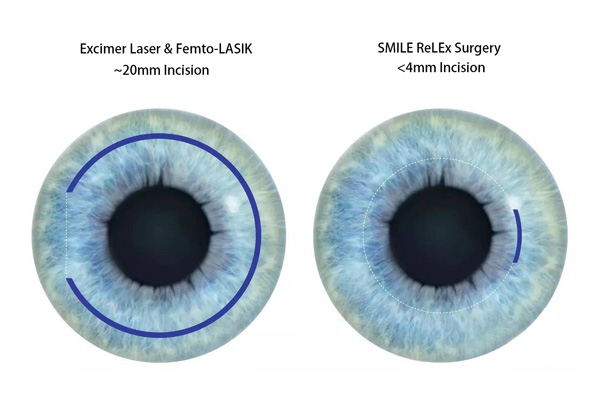
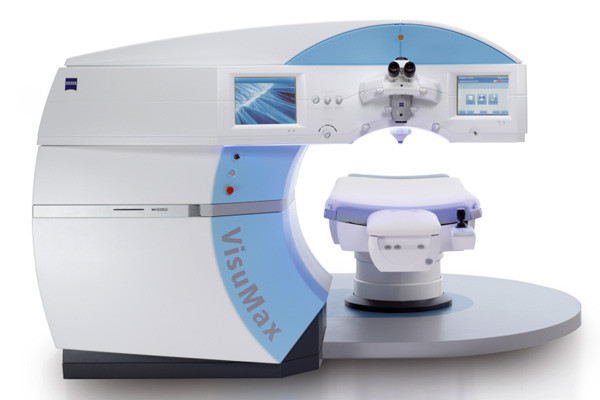
SMILE All-Laser Vision Correction Surgery (Both Eyes)
No flap creation, minimally invasive and precise, suitable for myopia up to 1000 degrees and astigmatism up to 500 degrees, with fast recovery and excellent visual quality.
Price: $2,900~ $3,000
LASIK Vision Correction Surgery (Both Eyes)
Precise flap creation, customizable ablation, suitable for myopia up to 1200 degrees and astigmatism up to 600 degrees, with good stability and wide applicability.
Price: $2,600~ $2,800
ICL Phakic Intraocular Lens Implantation (Both Eyes)
No corneal ablation, reversible correction, suitable for high myopia (within 1800 degrees) and patients with thin corneas, high-definition vision, lifelong usability.
Price: $5,900~ $8,000
Cataract Phacoemulsification Surgery (One Eye)
Minimally invasive incision, implantation of an artificial lens, can simultaneously correct myopia/astigmatism/presbyopia, with rapid recovery and improved vision quality in later years.
Price: $1,400
All medical-related deliveries are performed by BenQ Medical Center Suzhou
Thank you for taking the time to learn about us.
Seeking medical treatment abroad is a major decision.
You may be wondering:
“Is China’s medical level trustworthy?”
The answer is yes
China’s economic development, technological strength, and global influence have built a world-class medical system. Equipped with cutting-edge medical technology and supported by an enormous patient volume, Chinese doctors gain unrivaled clinical experience through vast real-world practice. This is the strongest foundation of China’s medical excellence.
Choosing medical care in China means not only affordability and efficiency, but also world-class treatment.
We have prepared three service options based on professional standards.
Choose the one that best fits your needs, and we will handle the rest.
BenQ International Exclusive
Suzhou BenQ Hospital, a flagship hospital of listed BenQ Hospital Group (HKEX: 2581)
• Full English-speaking medical team, zero communication barriers
• Complete English diagnosis reports and medical records
• VIP single ward, dedicated coordinator, priority fast-track service
• Direct billing with international insurance
• Suitable for all international patients, providing a safe and seamless experience for surgery and treatment
A
Standard Medical Service in China
• Local Chinese medical environment with equally skilled senior specialists
• Standard medical process and regular services
• Professional medical translation available
• Suitable for: dental implants, hair transplantation, CT, PET-CT, MRI and other routine examinations and basic treatments
• Important note: For patients who do not speak Chinese, translators cannot be present at all times. During key stages including surgery, anesthesia, private medical care and post-operative follow-up consultations, communication misunderstandings may occur. Please choose carefully.
B
Top National Specialist Referral Service
• Relying on BenQ Medical Group’s strong resource network, we can connect you with senior specialists from five top public hospitals in China
• Each hospital has nationally top-ranked specialist departments:
◦ Ruijin Hospital: Endocrinology
◦ Zhongshan Hospital: Cardiovascular Medicine
◦ Huashan Hospital: Dermatology, Infectious Diseases
◦ Renji Hospital: Gastroenterology
◦ Shanghai Ninth Hospital: Plastic Surgery
• Suitable for complex conditions, special medical needs, and patients seeking the highest standard of medical care in China
C
Tell Us Your Needs
We will match you with the most suitable medical plan.
The more detailed your needs, the more precise our plan.
Please share your treatment details & planned travel time.
We prioritize responses with complete information.
One-Stop Premium Medical Concierge Services
Hassle-Free Arrangement
Airport transfer, hotel booking & hospital appointments are all included in our one-time service fee.
Seamless Hospital Coordination
We coordinate with the hospital’s international department and arrange specialist appointments for a smooth, worry-free process.
Whole-Process Assistance
We assist and follow up throughout your entire trip, making every arrangement smooth and well-organized.
Frequently Asked Questions · FAQ
Q: What is the difference between SMILE all-laser and LASIK? How should I choose?
A: SMILE all-laser does not require corneal flap creation, with only a 2mm incision, minimally invasive and fast recovery, suitable for athletes, military personnel, etc.; LASIK allows for customizable ablation and has a wider range of applications, suitable for myopia up to 1200 degrees and astigmatism up to 600 degrees. We will recommend the most suitable option based on your corneal thickness, myopia degree, and lifestyle.
Q: Who is suitable for ICL lens implantation? Will there be a foreign body sensation after surgery?
A: ICL is suitable for patients with high myopia (within 1800 degrees), thin corneas, or those unsuitable for laser surgery. The lens is implanted between the iris and the crystalline lens, without contact with the cornea, resulting in no obvious foreign body sensation after surgery, high-definition visual quality, and reversibility, allowing for removal or replacement if necessary.
Q: How long can I fly after laser surgery or ICL implantation?
A: SMILE all-laser/LASIK surgery: You can fly 1-2 days after surgery. The air pressure changes in the cabin have minimal impact on the cornea, and you can travel normally as long as there is no obvious discomfort in your eyes.
ICL lens implantation: It is recommended to wait 3-5 days after surgery before flying to ensure the stability of the intraocular environment and avoid the impact of air pressure changes on the lens position.
Q: How many follow-up visits are normally required after eye surgery?
A:• Laser vision correction/ICL lens implantation:
◦ Day 1 post-operation: Check vision and corneal recovery.
◦ 1 week post-operation: Assess wound healing and visual quality.
◦ 1 month post-operation: Confirm stable recovery.
◦ 3 months post-operation: Comprehensive follow-up to evaluate long-term effects.
• Cataract/Glaucoma surgery:
◦ Follow-up visits on Day 1, Week 1, Month 1, and Month 3 post-operation.
• International patients can complete key follow-up visits (Day 1, Week 1) at BenQ Hospital. Subsequent follow-ups can be done with English reports back in your home country at local ophthalmology institutions. We also provide remote guidance.
Q: Can glaucoma be cured? What are the advantages for international patients to receive treatment in China?
A: Glaucoma cannot be cured at present, but intraocular pressure can be effectively controlled through medication, laser, or surgery to delay optic nerve damage. BenQ Hospital has rich experience in minimally invasive glaucoma surgery, and the cost is only 1/3 to 1/2 of that in European and American countries. The hospital’s international department also provides full English diagnosis and treatment and translation support.
Q: What preparations are needed before eye surgery? How far in advance do international patients need to arrive at the hospital?
A: Pre-operative comprehensive eye examinations are required. Contact lenses should be discontinued for 1-2 weeks, and underlying conditions should be well-controlled. International patients are advised to arrive 2-3 days in advance to complete pre-operative assessment and preparation. They can return home 1-2 days after surgery for observation, making the entire trip efficient.
Q: What are the qualifications of the ophthalmology doctor team at BenQ Hospital? How much surgical experience do they have?
A: The international department team at BenQ Hospital is led by experts with over 10,000 surgeries experience. Core physicians have studied in Taiwan or overseas and strictly follow JCI international standard operations to ensure the safety and precision of every surgery.
Q: How long is the recovery period after surgery? Will it affect my work and life after returning to my country?
A: After myopia surgery, you can use your eyes normally 1-2 days post-operation, with stable recovery in about 1 week; after cataract and glaucoma surgery, you can resume normal activities 3-5 days post-operation. We will provide detailed post-operative care guidelines and English follow-up reports to facilitate your continued follow-up after returning home or at local ophthalmology institutions. We also offer remote guidance.
Listed Grade-A Tertiary Hospital BenQ Medical Center Suzhou
50+ clinical departments to meet all your medical needs.