


Fenglin China
China medical tourism service providers
We connect you with trusted hospitals
• English-speaking care
• Direct specialist access
• Affordable prices
End-to-end medical services for New Zealand patients
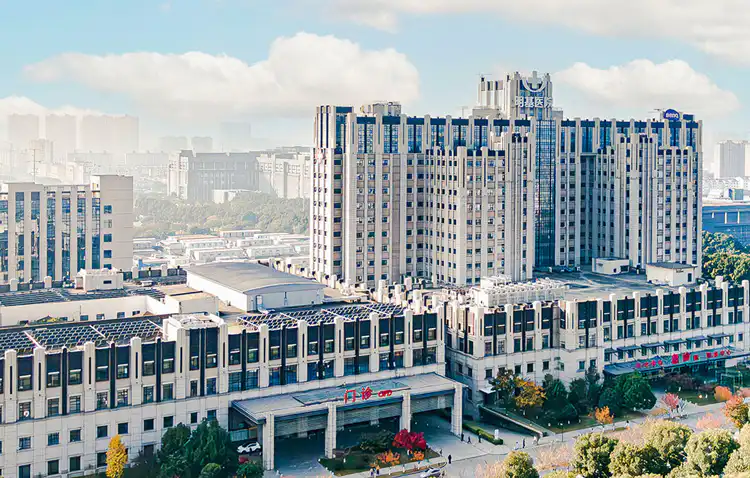
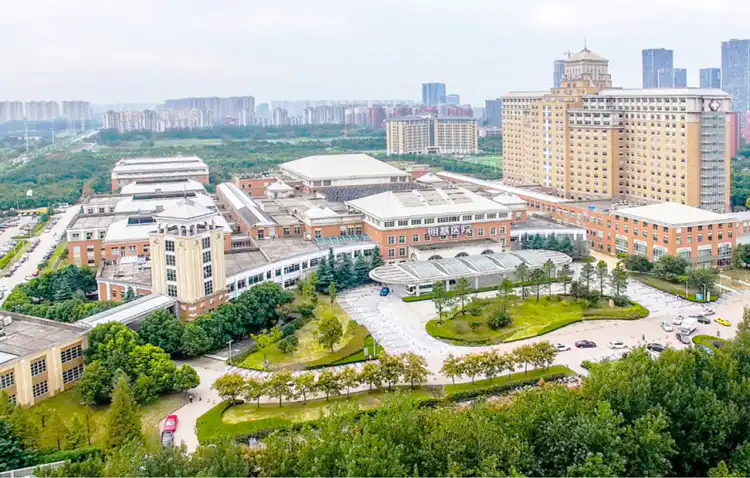
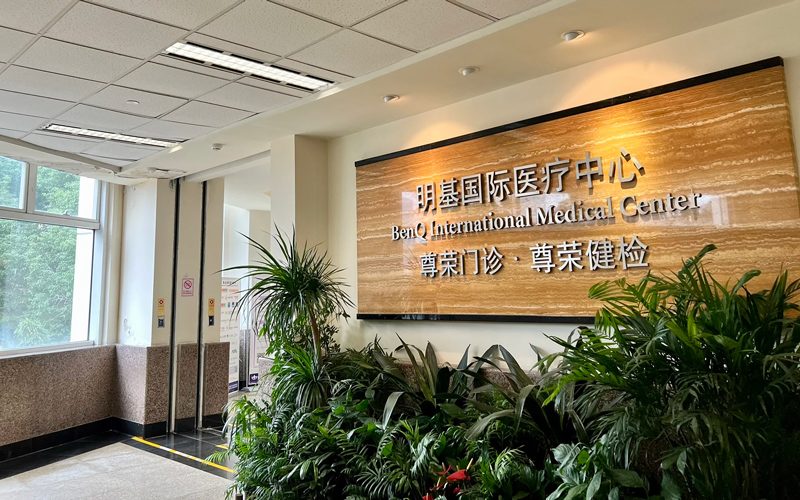
Our team works closely with BenQ Medical Center (Suzhou & Nanjing)
Our team knows every department, senior specialist and service process inside out.
For most of New Zealand patients seeking treatment in China,
BenQ Medical Center, with internationally recognized standards and multilingual support, is the ideal choice.
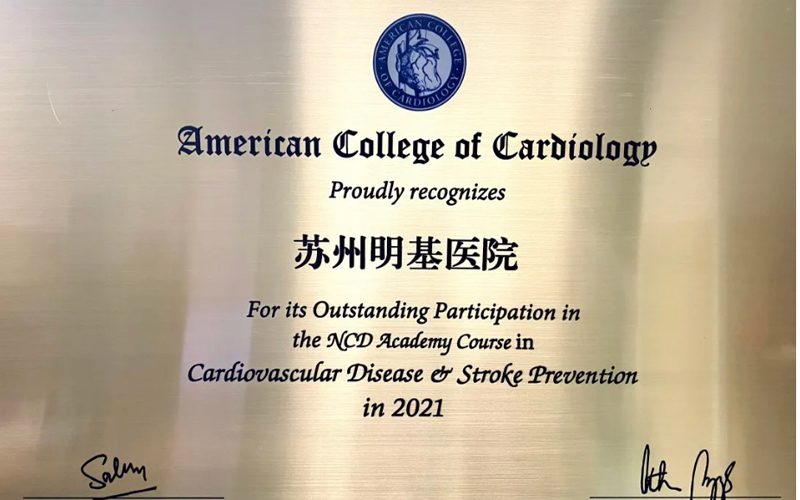
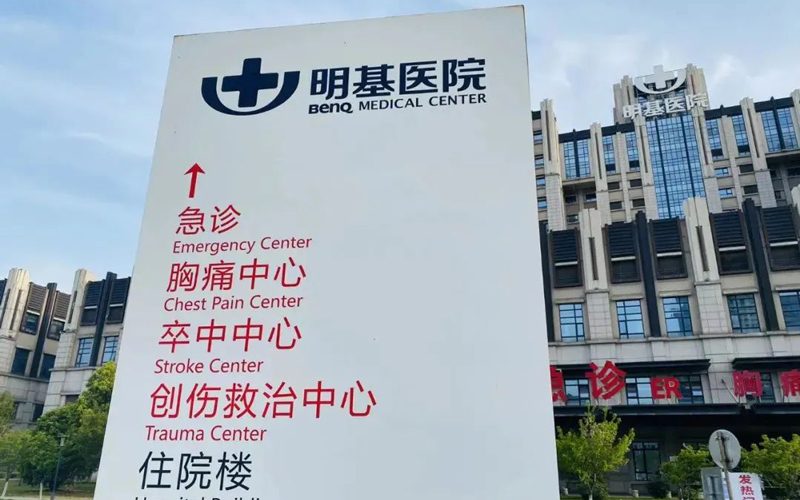
English Speaking Hospital
China Foreign-Related Hospital
International Insurance Direct Billing
Stock Code: (02581.HK)
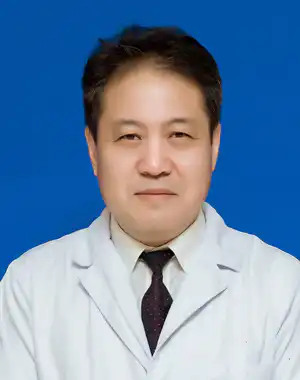
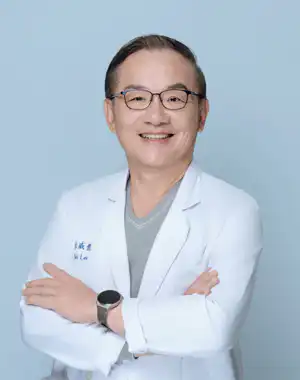
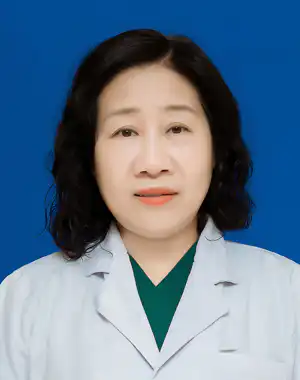
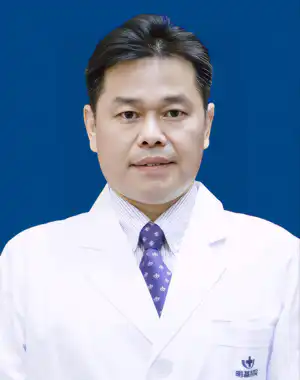
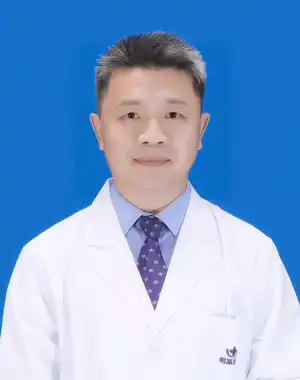
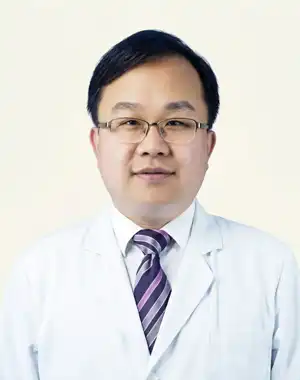
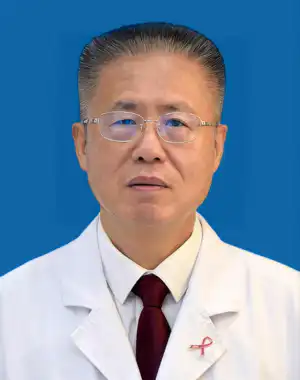
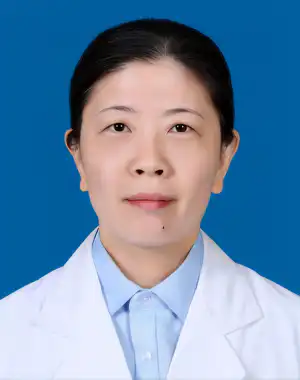
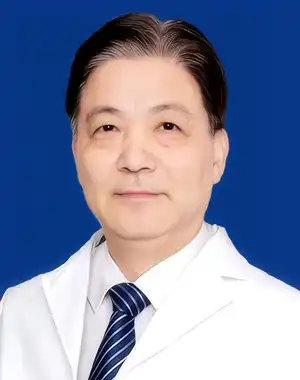
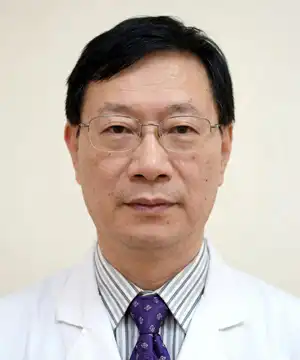
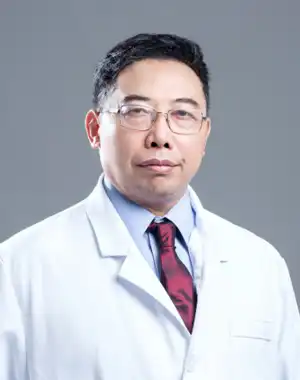
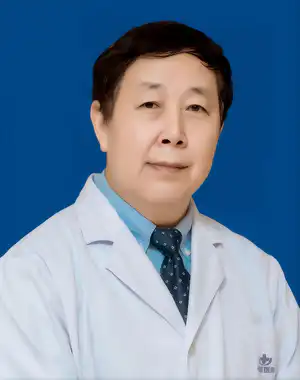
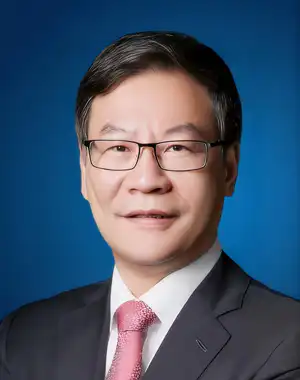
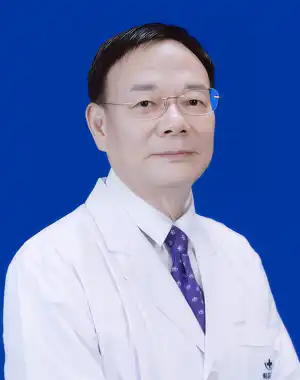
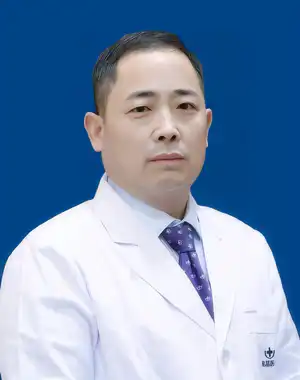
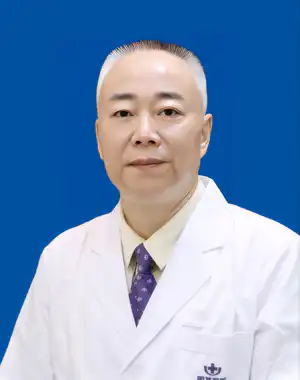
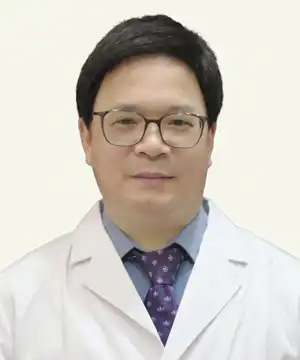
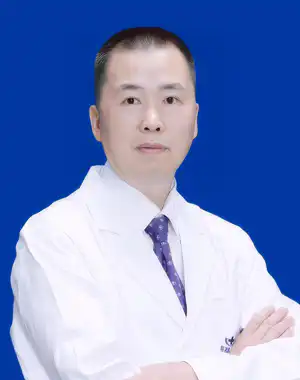
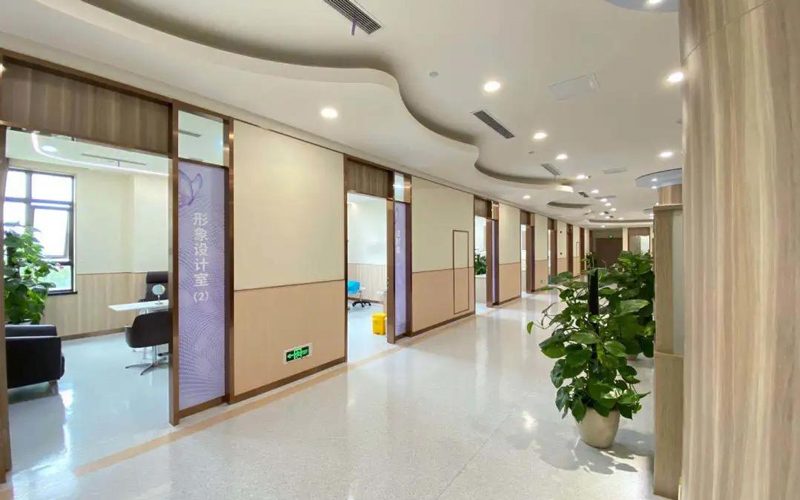
BenQ Medical Center has 50+ clinical departments
Everything you need is here
BenQ Medical Center operates two campuses in Suzhou and Nanjing. Part of the listed BenQ Medical Group (HKEX: 2581) and controlled by Qisda Corporation (TWSE: 2352), our credibility is overseen by global capital markets.
Most international patients choose the Suzhou campus for its easy access to Shanghai airports. Specialists are fully shared between both locations, so you get the same high standard of care at either site.
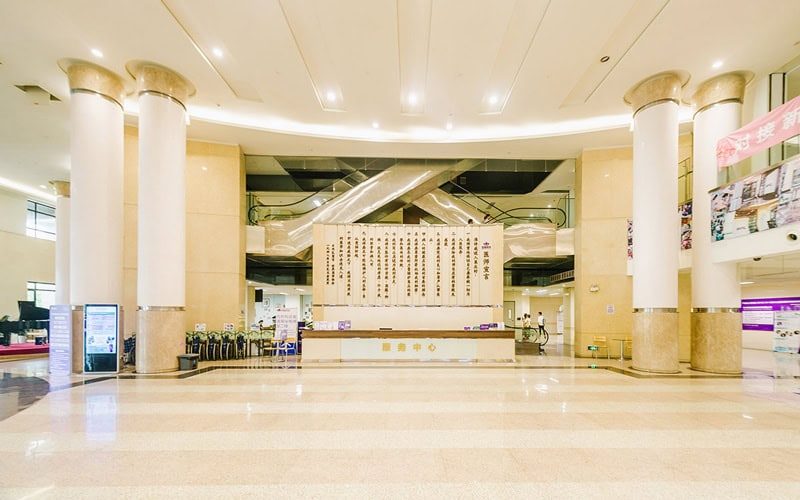
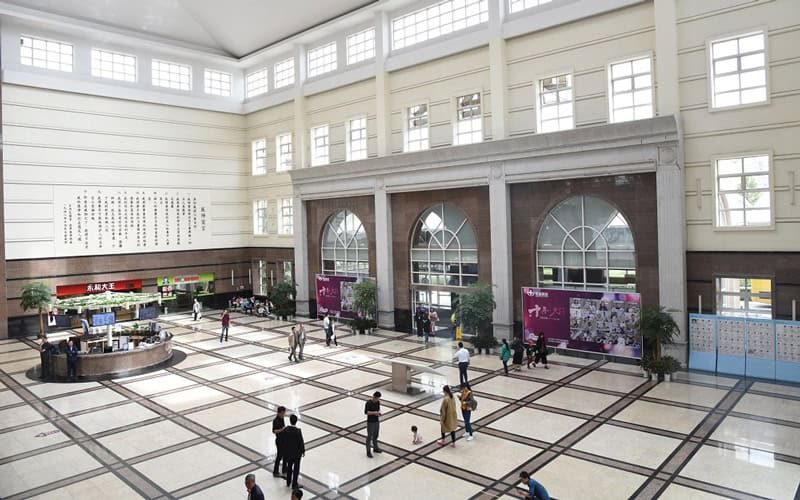
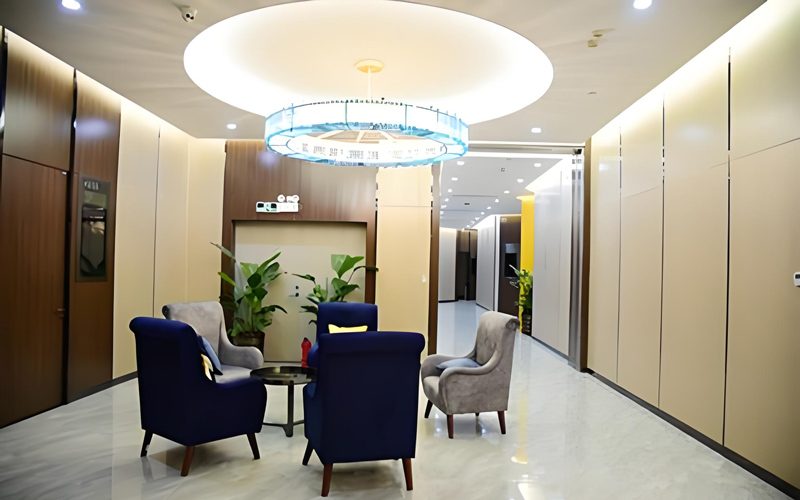
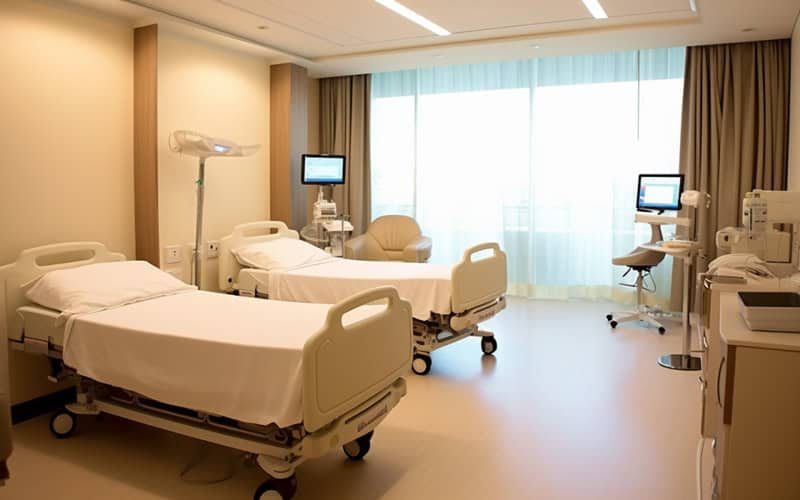
We serve middle-to-high-end domestic patients and expats in China. Since 2024, our dedicated International Patient Center offers barrier-free, one-stop English services for foreign patients.
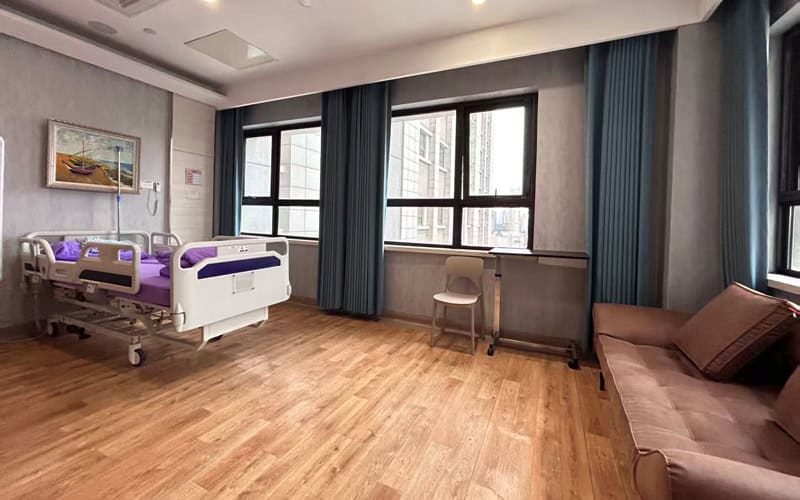
Backed by the Group’s resources, the center brings together experienced specialists with world-class facilities, aligned with international protocols. We partner with 40+ international insurance companies for direct billing.
All patients enjoy transparent, uniform pricing with no extra fees for foreigners.
—Transparent Pricing · Same Price for Chinese and Foreign Patients—
Submit your request
Expert matching
Online initial consultation
Travel with peace of mind
Arrive in China
Check into hotel/hospital
Hospital treatment
Tour / return home
♦ Submit request: Provide basic information, medical records, and desired treatment
♦ Expert matching: We match you with suitable BenQ Hospital specialists and respond within 24 hours
♦ Online initial consultation: Video consultation with specialists to confirm the plan, costs, and answer questions
♦ Travel with peace of mind: Assistance with visa, translation, insurance direct billing, airport transfer, and accommodation
You only need to pay a $500 service fee — we handle the rest for you.
All treatment fees are paid directly to BenQ Hospital.
Safe funds, transparent process
A:The total cost consists of two parts: medical fees and travel expenses.
Medical fees depend on the condition and the type of procedure. Major surgeries (such as joint replacement, bariatric surgery, heart stenting, and cancer treatment) cost about 1/4 to 1/2 of what they would in the U.S. Premium health checkups are about 1/5 to 1/3.
Before making a decision, we recommend starting with a $50 expert video consultation.
Simply send us your medical records and condition details. We’ll organize them and connect you with a specialist from BenQ Medical Center. The doctor will let you know:
· Whether you’re a suitable candidate for treatment in China
· A rough estimate of the costs
· What treatment options are available
It’s a small step to help you decide if it’s worth the trip.
A:There is no “best” hospital—only the one that best fits your situation. You can find yours by looking at the scenarios below:
1. If you speak Chinese and have someone to accompany you
You have the widest range of options: public hospital general clinics, public hospital international departments, and JCI‑accredited private hospitals. The choice depends on your preferences for environment, waiting time, and insurance direct billing.
2. If you don’t speak Chinese but have someone to accompany you
Choose a hospital with English services (English medical records, English‑speaking doctors). Your companion can help with communication details.
3. If you come alone and require a surgical procedure
We recommend a JCI‑accredited premium private hospital, like BenQ Medical Center, where we partner. These hospitals offer dedicated assistance, full English services, and direct billing with international insurance, so you can feel at ease even when traveling alone.
If you’re still unsure, send us your medical details and needs—we’ll help you figure out which type of hospital suits you best.
A:Please refer to Questions 1 and 2 first. After choosing the right hospital, there aren’t many risks. The key is to communicate in advance to avoid procedures that cannot be done right away, which could delay your trip or end up being a wasted visit.
For example, if your blood sugar or blood pressure is not under control, if you have clotting issues, or if you’re taking blood thinners (many people take them long-term), many procedures cannot be done immediately. Your body needs to be stabilized first to meet the requirements for surgery.
This helps avoid a wasted trip or disruption to your schedule.
A:From the moment you arrive in China, you won’t have to worry about the language.
We’ll arrange airport pickup and take you to your hotel or the hospital. During your visit, the doctors and nurses at BenQ Medical Center can communicate in English, and medical records, diagnosis reports, and bills can all be provided in English. The hospital also offers patient companion services if you need them.
Our service includes airport pickup, hospital coordination, appointment scheduling, and inpatient arrangements. If you have any questions, just reach out—we’ll make sure everything goes smoothly.
If you’d like someone to accompany you in person throughout the process, we can arrange a professional medical interpreter for you at an additional cost (honestly, it’s not necessary).
So don’t worry about the language. From the moment you land until your care is complete, we’ll be right there with you.
A:Before you come, call your insurance company and ask these three questions:
1. Does my insurance cover medical treatment in mainland China?
2. Is BenQ Medical Center in your direct billing network?
3. If it’s not in the network, can I still get reimbursement since BenQ is a JCI‑accredited hospital?
If the hospital is in their direct billing network
Bring your insurance card and passport when you visit. The hospital will coordinate with your insurance company, provide the treatment plan and cost estimate, and obtain the written pre‑authorization for you. Just focus on your care — they’ll handle the rest.
If the hospital is not in the network, but you can submit claims after returning home
BenQ Medical Center can provide full documentation in English—diagnosis reports, medical records, invoices, and everything else needed for reimbursement. Your insurance company will accept them. No extra translation required.
We’re also happy to help you confirm the details with your insurer ahead of time, so you can travel with peace of mind.
A: Self-paying patients pay the hospital directly. If your insurance supports direct billing, we will activate it before your arrival.

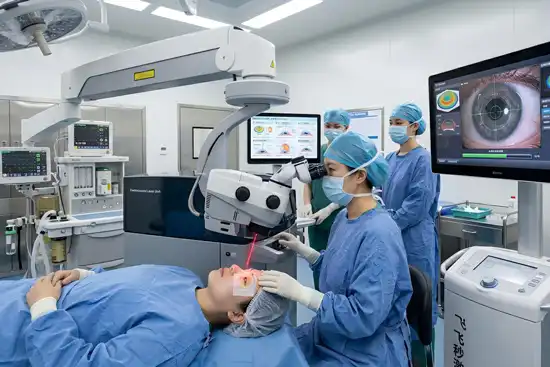
Her vision had worsened despite Indian doctors’ wait-and-see advice. Her parents chose China’s specialized pediatric cataract care.
Doctors used laser-assisted phacoemulsification to remove the cloudy lens. When the bandage came off, Priya saw her mother’s smile clearly for the first time, and now reads normally.

Born with a turned-in right foot, Dmitry had two surgeries in Russia with poor results. He walked with a limp and struggled in PE class. His parents brought him to Suzhou for treatment.
Doctors used a customized Ilizarov fixator and minimally invasive release to correct his foot. After 3 months, the fixator was removed. Now Dmitry runs normally and has joined the school football team.

He had monthly seizures since age 5. Five medications failed to control them, leaving him constantly drowsy. His mother brought him to BenQ Hospital for advanced care.
Using high-resolution EEG and robot-assisted technology, doctors pinpointed the seizure focus and performed minimally invasive radiofrequency ablation. Ethan has been seizure-free for 1.5 years, now swimming independently and attending camp.

A part-time model, she wanted to refine her low nasal bridge and bulbous tip. Cosmetic surgery in Australia was too expensive and often looked overdone. After seeing natural-looking results from Chinese doctors, she decided to have surgery here.
Using 3D simulation and autologous costal cartilage grafting, the doctor subtly refined her nose. After stitches were removed, her friends said, “You look better, but we can’t tell what changed.” Chloe regained confidence in her profile.

Diagnosed with early-stage breast cancer, she refused total mastectomy recommended in Japan. She chose China for its breast-conserving surgery expertise, and we helped connect her with a specialist.
The doctor performed oncoplastic breast-conserving surgery with intraoperative radiotherapy, preserving 90% of her breast tissue. The scar was under 3 cm, and she didn’t need long-term radiation. Now she has resumed teaching piano, with both her body and mental health intact.

A programmer, Michael could barely sit 20 minutes due to radiating leg pain. US doctors recommended open fusion with 3 months of bed rest. He chose China’s 7mm-incision endoscopic technique instead.
Doctors removed the herniated disc under endoscopy. His leg pain was gone the same day, and he walked normally by discharge. Two weeks later, he was back to working remotely.

For three years, Olga suffered electric shock-like facial pain, triggered even by eating or brushing teeth. Russian doctors recommended craniotomy, which she feared. She chose China’s non-surgical balloon compression instead.
Under X-ray guidance, the doctor performed the 30-minute balloon compression. When she woke up, the pain was gone, leaving only a tiny needle mark. Now she can enjoy eating without pain.

A lawyer, Margaret’s vision had blurred so badly she could no longer drive. In Canada, public surgery had a 1+ year wait, while private care was too expensive. She chose treatment in China through us.
The doctor performed a 15-minute phacoemulsification with multifocal lens implantation. By day 2, her distance, intermediate, and near vision all reached 0.8. She was able to drive herself home.

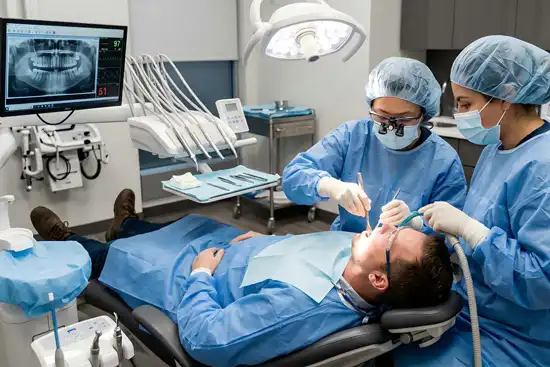
Severe periodontitis left David with almost all upper teeth lost, and loose dentures made eating difficult. In Australia, full implants cost over AUD 50,000, so he chose treatment in Suzhou.
Doctors used digital-guided technology to place 6 implants and fit a fixed bridge in one day. On day 2, David bit into an apple and enjoyed food normally again.

A farm owner, Bruce suffered frequent palpitations with heart rates up to 150 bpm. New Zealand had an 8-month wait for catheter ablation, so he chose China’s care through us.
Using 3D mapping, doctors performed pulmonary vein isolation. His heart rhythm returned to normal, and now he can work strenuously on the farm worry-free.

Rajesh was diagnosed with a 3cm liver tumor, which Indian doctors deemed inoperable. He contacted us for a second opinion in Shanghai.
The team performed staged TACE and microwave ablation. The tumor was completely necrosed, and there has been no recurrence in 1.5 years. He was given a second chance at life.

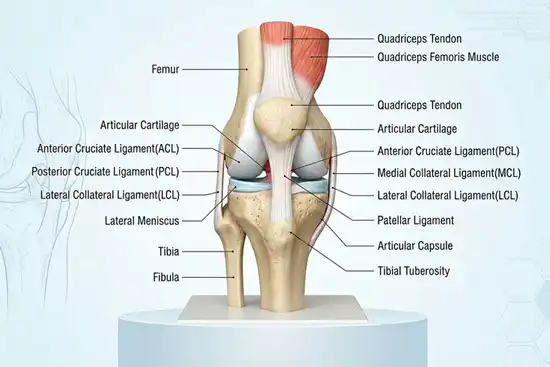
A retired teacher, Patricia suffered severe knee pain that even standing was agonizing. In the US, out-of-pocket costs were high and there was a 6-month wait. She chose treatment in Shanghai.
Using the subvastus approach, the surgeon performed the procedure. Patricia walked with a walker on day 1, climbed stairs by day 4. Now she takes daily walks with her husband, at just 1/3 the US cost.

With Parkinson’s for 8 years, William struggled with daily rigidity and tremors, unable to dress or eat alone. The UK had no clear timeline for DBS surgery. He came to Suzhou with his son.
Doctors precisely implanted electrodes under MRI guidance. When the stimulator was turned on, his tremors stopped immediately. Now he can write calligraphy and ride a bike again.

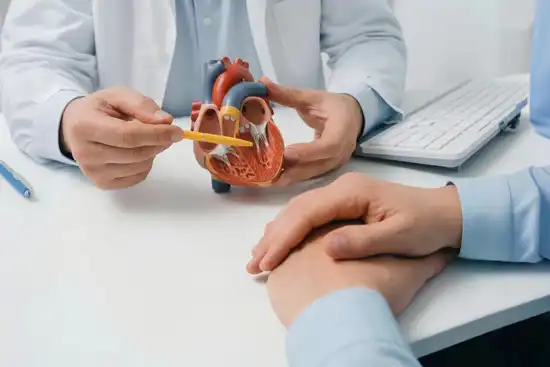
With severe aortic stenosis, Vladimir got breathless walking and had fainted twice. Russian doctors said open-heart surgery was too risky. He chose China’s non-surgical TAVR instead.
Doctors delivered the valve through the femoral artery without stopping his heart. On day 2, his breathlessness was gone. Now he can go mushroom picking again.
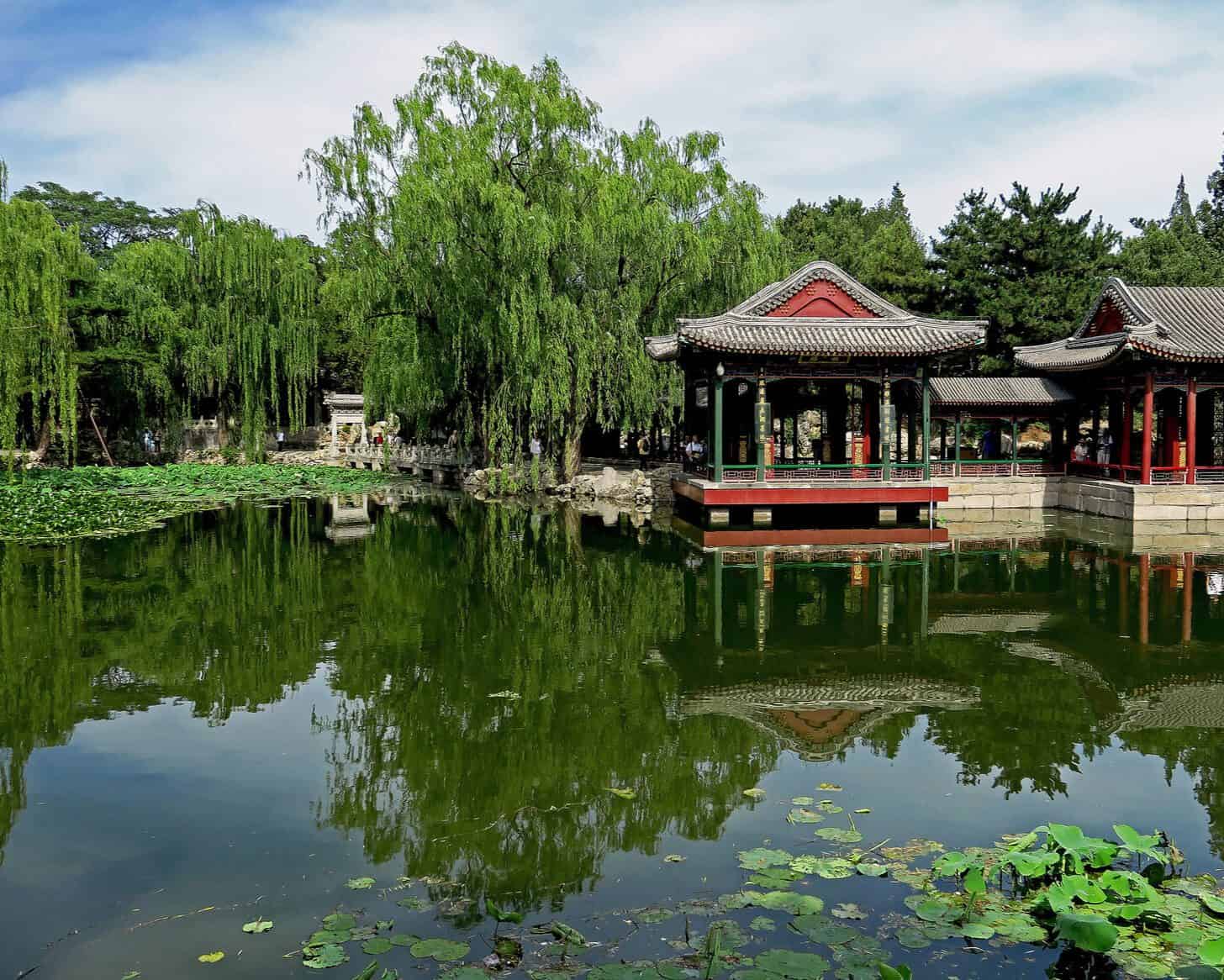
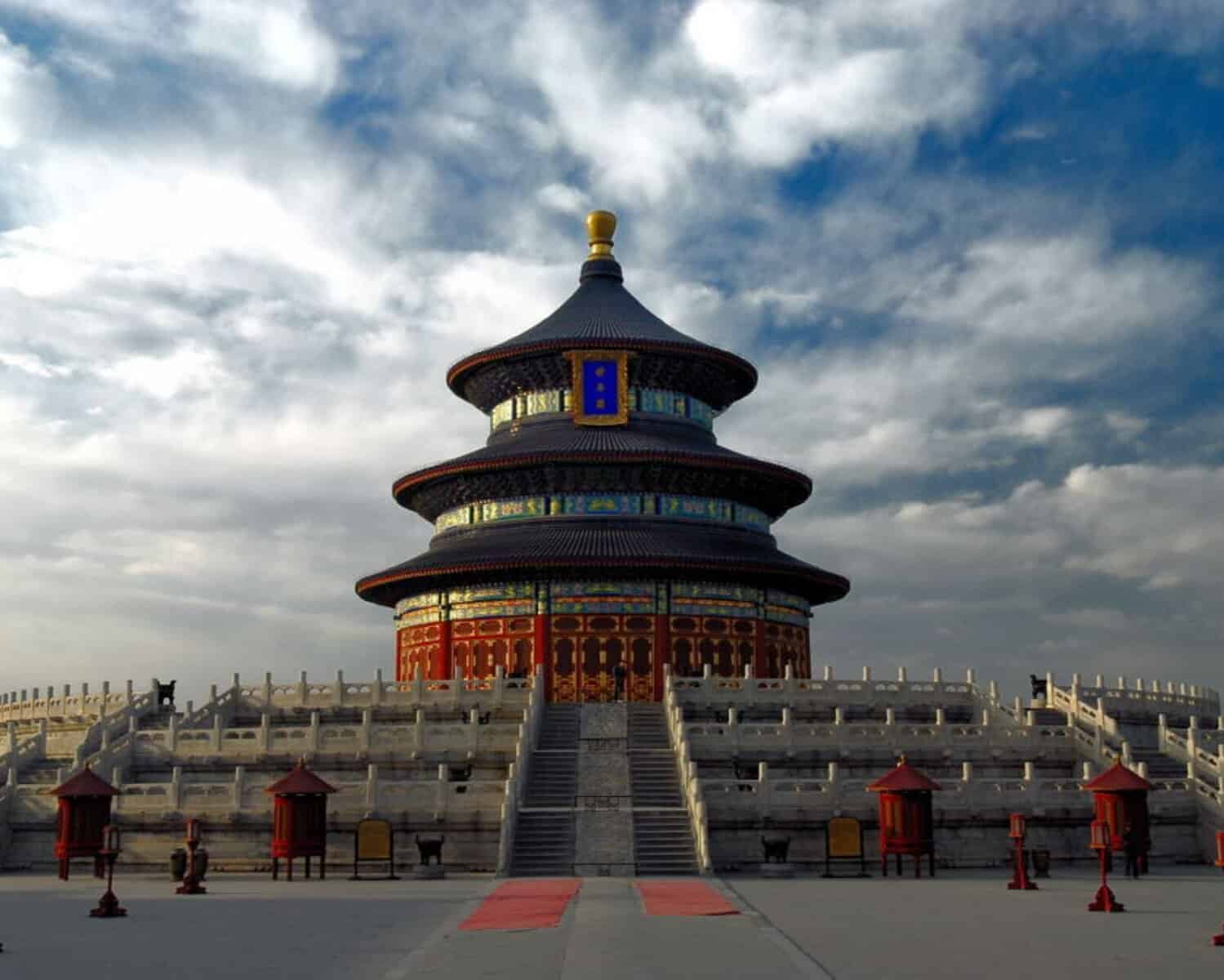
Many clients travel in Suzhou, Hangzhou, or Shanghai for 3–5 days after treatment at BenQ Hospital.
Please leave your name and contact information, and our medical tourism consultant will contact you within 12 hours. Thank you for your inquiry!
Title
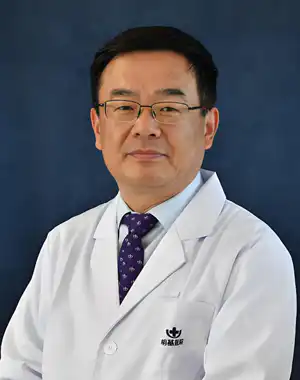
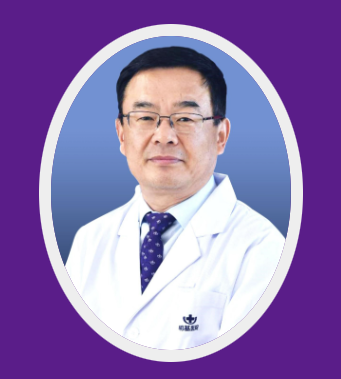
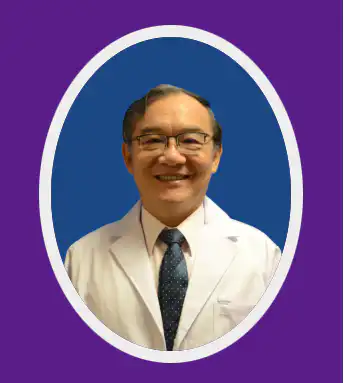
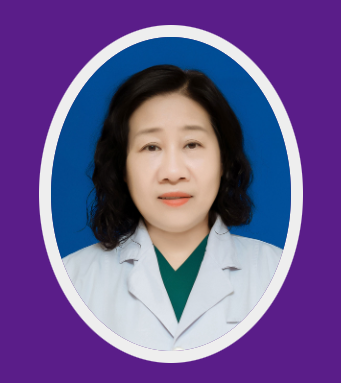
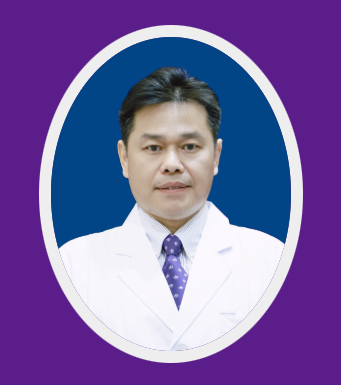
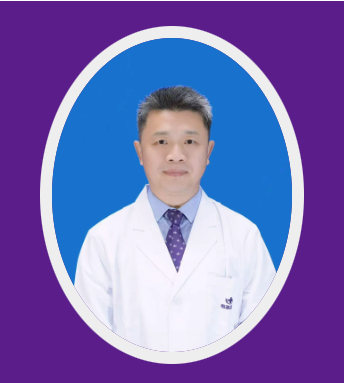
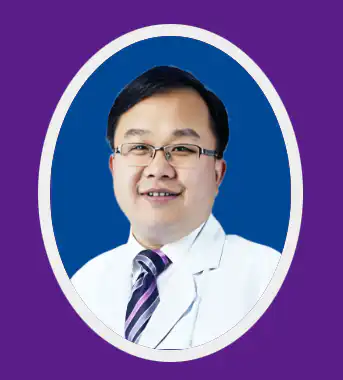
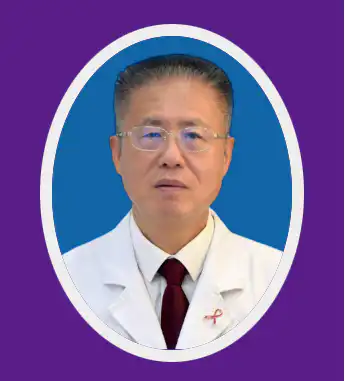
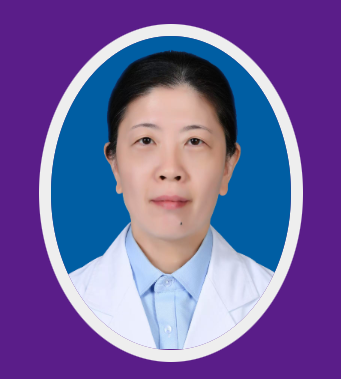
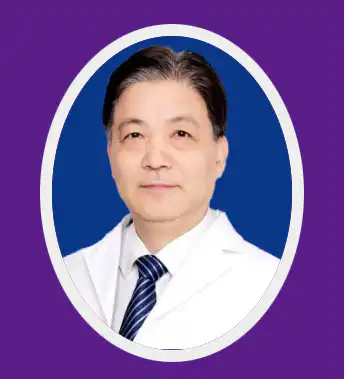
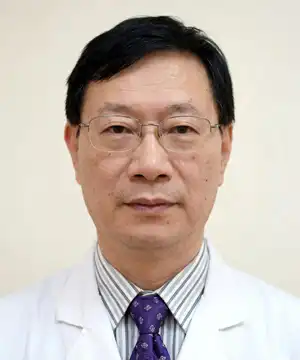
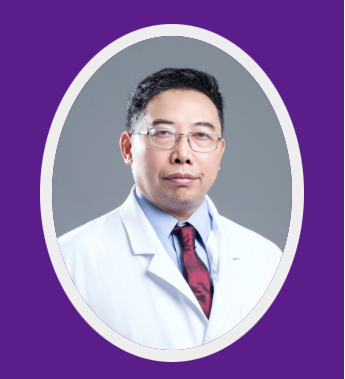
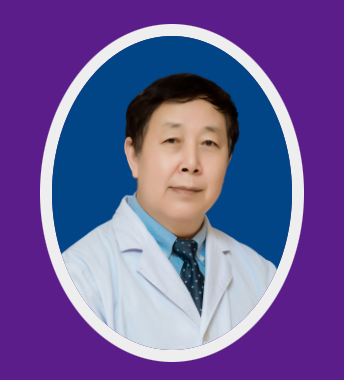
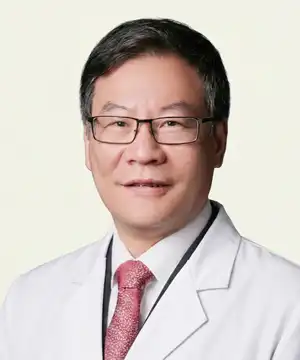
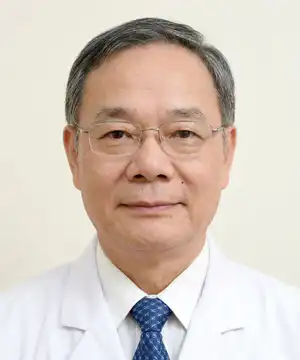
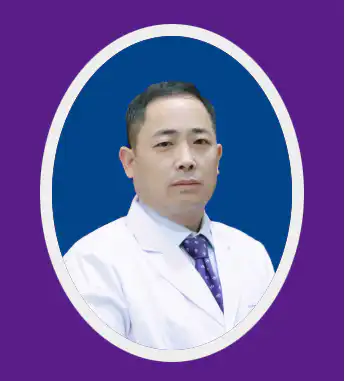
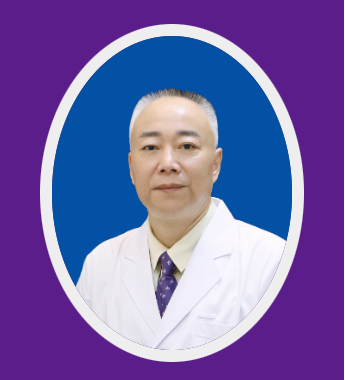
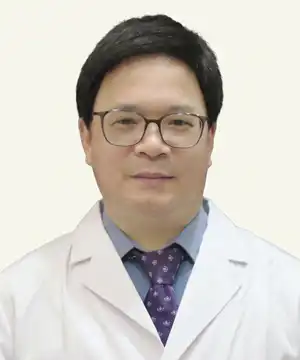
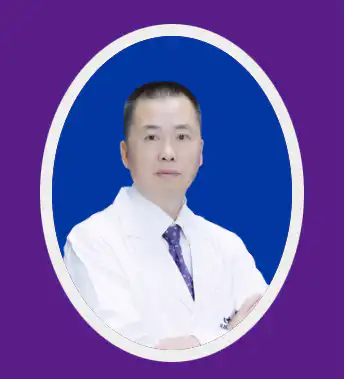
Dr. Yu Zhenkun, MD, PhD
Chief of Otolaryngology-Head and Neck Surgery, BenQ Hospital Affiliated with Nanjing Medical University
Please leave your name and contact information, and our medical tourism consultant will contact you within 12 hours. Thank you for your inquiry!
Please leave your name and contact information, and our medical tourism consultant will contact you within 12 hours. Thank you for your inquiry!
Please leave your name and contact information, and our medical tourism consultant will contact you within 12 hours. Thank you for your inquiry!
护照信息
您的护照必须在旅程结束后至少有效六(3)个月,并且入境和出境印章应至少有两(2)页空白签证页。
我们提供简便高效的美国护照和签证处理服务,会以枫林国际旅行社的身份给您发旅游邀请函,有需要可以联系我们,需支付服务费150美金。
签证信息
作为游客,您需完全负责确保携带进入中国所需的旅行证件,非免签国家游客进入中国需持旅游签证,必须在出发前直接向中国领事馆申请或通过签证处理服务获得。持有有效10年期多次入境中国签证且持有过期护照且个人信息未变的旅客,出行时必须携带过期护照和新护照。如果被要求提供在中国接待您的旅行社,请注明枫林国际旅行社:代理机构#350484。
注意:请勿表示计划前往西藏,否则申请将被拒。所有前往西藏的旅客都需要特别许可,枫林国旅将代为办理。请确保在出发前60天内提供高质量的护照信息页和有效的中国签证复印件以便我们办理入藏手续。
只有当您从南美或非洲黄热病流行区抵达或经过该地时,才需要在抵达前至少10天接种黄热病疫苗。CDC和WHO各自提供了所有受影响国家的最新名单。请务必携带医生提供的国际疫苗接种证明,否则可能会被拒绝入境。如果医生建议不要接种疫苗,他们可以提供必要的相关文件。
有任何不清楚的地方可以向我们咨询,我们乐意为您解答。
—–枫林国际旅行社


Please leave your name and contact information, and our medical tourism consultant will contact you within 12 hours. Thank you for your inquiry!