What Is Rhinoplasty?
Rhinoplasty, commonly known as a “nose job,” is surgery to reshape the nose for cosmetic or functional reasons. It can correct a nasal hump, refine the nasal tip, improve breathing (septoplasty), or enhance facial harmony.
Why International Patients Choose Rhinoplasty in China
Medical tourism for cosmetic surgery is growing fast. More patients from the UK, US, Canada, Australia, New Zealand, and South Africa are choosing rhinoplasty in China.
Key reasons:
· Affordable pricing (60-70% less than the US or UK)
· Internationally accredited hospitals meeting global safety standards
· English-speaking surgeons and coordinators
· No long waiting lists (surgery within dayas)
· Modern medical facilities with advanced technology
Why We Partner with BenQ International Hospital
Given the many medical options available in China, we carefully select only the best partners for our patients. That is why Fenglin China works closely with Mingji International Hospital (BenQ Medical Group) in Suzhou and Nanjing.
BenQ is located in Suzhou — right next to Shanghai, just one hour by car or 20-30 minutes by high-speed train. Suzhou has a top-tier economy, an average life expectancy of 85.21 years (one of the highest in China), and medical costs at just 80% of Shanghai or Beijing prices. BenQ itself is a publicly listed hospital group with strong financial backing and a team of leading specialists. Its plastic surgery center features advanced technology and English-speaking surgeons. The hospital has a mature international medical department and assigns an English-speaking care coordinator to each international patient, ensuring one-on-one support from consultation to recovery.
Nose Surgery Medical in China: Cost Comparison
Country Average Rhinoplasty Cost
United States $8,000 – $15,000
United Kingdom £6,000 – £10,000
Australia $12,000 – $25,000 AUD
China (BenQ Hospital) $2,900 – $4,800 USD
Prices shown are estimates. Contact us for a personalized quote.
How Rhinoplasty Works: Step by Step
1. Initial Consultation Online – Discuss your goals and medical history.
2. Pre-surgery Assessment – Blood tests, imaging, and surgical plan.
3. The Surgery (2-4 hours) – Performed under general anesthesia.
4. Recovery (2-4 weeks) – Swelling and bruising subside.
5. Final Results (3-6 months) – Nose shape settles into its final form.
Recovery and Aftercare
After your nose surgery, you will receive:
· 24/7 nursing support at the hospital
· A recovery kit with medications and instructions
· Follow-up video calls with your surgeon
· English-speaking aftercare coordinator
Most patients fly home 7–14 days after surgery.
Meet Your Surgeon

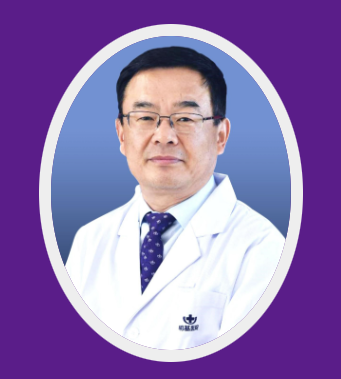
Dr. Jiang Hua
Dr. Jiang Hua is the Vice President of Mingji International Hospital, Professor and Chief Physician in Plastic Surgery. With over 40 years of clinical experience, he specializes in complex nasal and ear reconstruction, as well as aesthetic plastic surgery.
FAQ: Frequently Asked Questions
Is rhinoplasty in China safe?
Yes. Fenglin China works closely with BenQ Medical Group — a publicly listed hospital group with strong financial strength and a team of top-tier specialists. Your safety is our top priority.
How long do I need to stay in China?
Plan for 7–14 days minimum.
Will my surgeon speak English?
Yes. All partner surgeons at Mingji International Hospital speak medical English.
How do I start?
Fill out the free consultation form below or contact us directly.
How to Start Your Rhinoplasty Journey
Getting started is simple:
1. Fill out our free consultation form
2. Receive a personalized quote within 24 hours
3. Book your surgery date
We help you with medical care in China: hospital booking, visa invitation letter, airport pickup, accommodation, and English-speaking translation.
Learn More
• Fenglin International – China Medical Tourism Service Provider
Popular Consultation Items for Medical Treatment in China
This website only provides information consultation and itinerary arrangement services for medical tourism. It does not provide any medical diagnosis, treatment advice, or medical services. All medical decisions are made jointly by the patient and the doctors at the partner hospital.