Top Specialists for International Patients
The BenQ Medical Group has over 1000 full-time doctors, including 35 senior experts from Taiwan and overseas, as well as 344 chief/deputy chief physicians, providing reliable diagnosis and treatment services for international patients.
Listed below are the senior experts from various departments of BENQ. Find the expert corresponding to your symptoms, click on the photo to view their detailed profile. You may wonder that this expert is from Shanghai, not from BENQ Hospital. Yes, you read it correctly, doctors in China can practice at multiple locations. Leveraging the strong resources and financial strength of a listed company, BENQ Medical Center has hired department heads and senior experts from top public hospitals in Shanghai, Suzhou, and Nanjing. All displayed experts are available for surgery appointments, genuine and effective, and can be found on the BENQ official website. (You can quickly find the corresponding department by clicking on the dropdown menu)
All surgeons available
Video consults available
30-Minute Consultation
Fees: $100–$300
Breast Surgery Department
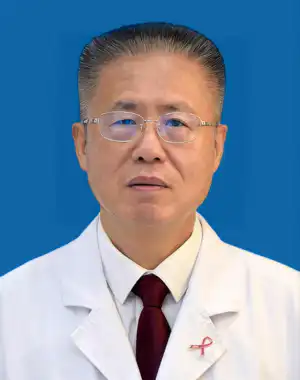
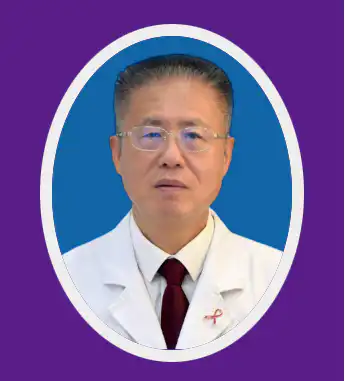
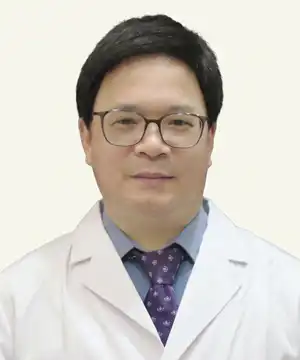
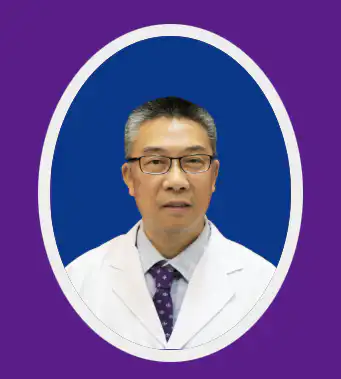
Professor Fei Zhewei
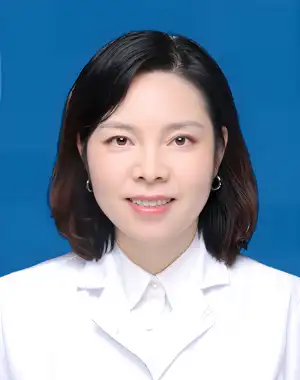
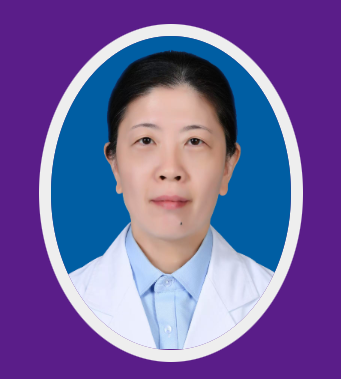
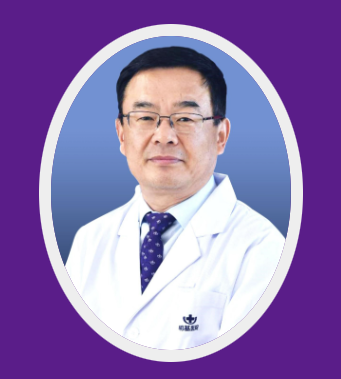
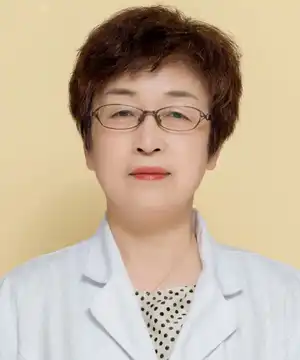
Associate Chief Physician Wu Yanmei
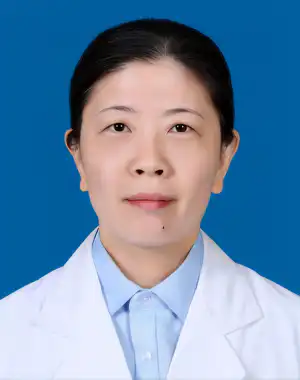
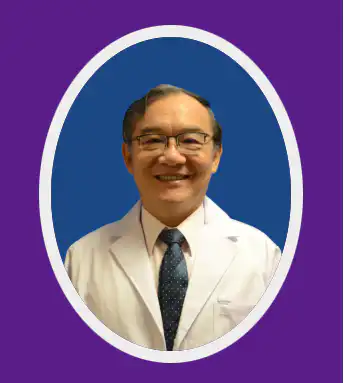
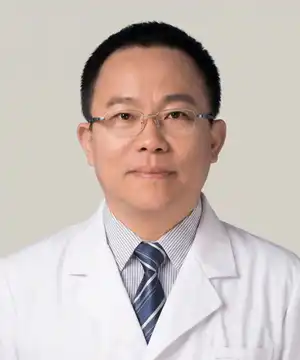
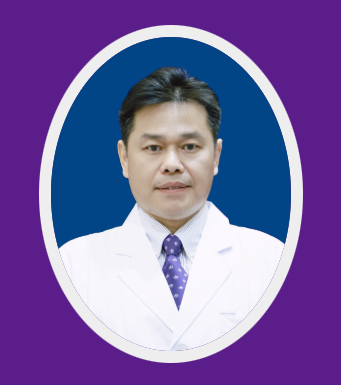
Chief Physician Lin Xiaoyan
Scope of treatment
Thyroid: nodules, hyperthyroidism, hypothyroidism, inflammation, benign and malignant tumors, neck lymph node dissection, postoperative recurrence, parathyroid diseases.
Breast: hyperplasia, nodules, cysts, acute and chronic inflammation, benign and malignant tumors, breast cancer breast-conserving surgery/reconstruction, male breast development, nipple discharge, supernumerary breast tissue.
Core technology
(1) Thyroid Surgery
Thyroid Radiofrequency Ablation (RFA) Minimally Invasive Treatment
Indications: Benign nodules, low-risk small cancers, postoperative recurrent lesions.
Features: Local anesthesia, needle puncture incision, 10-30 minutes, discharge on the same day/next day, no scar on the neck.
Scarless Endoscopic Thyroid Surgery
Approaches: Trans-axillary, periareolar, oral vestibule, submental.
Advantages: No scar on the neck, high-definition vision, strong protection of nerves and blood vessels, fast recovery.
Standardized Open Surgery
Radical treatment of thyroid benign and malignant tumors, near-total/total resection, central and lateral neck lymph node dissection.
Recurrent Laryngeal Nerve Protection Technique
Real-time monitoring with nerve monitoring device during surgery significantly reduces the risk of hoarseness.
(2) Breast Surgery
Breast Minimally Invasive Excisional Biopsy
Indications: Benign nodules, microcalcifications, suspicious lesion biopsy.
Features: 3mm incision, outpatient/day surgery, precise, scarless, rapid recovery.
Breast-Conserving Mastectomy
Xinhua “Small Knife Faction” fine style: clean margins, preserved shape, minimally invasive axillary approach.
Breast Reconstruction
Immediate/two-stage implantation, autologous flaps (DIEP, TRAM) reconstruction.
Endoscopic Breast Surgery
Approaches through axilla/nipple: male breast reduction, breast conservation, implantation, scarless on the body surface.
Refractory Breast Abscess Radiofrequency Ablation
For granulomatous mastitis: minimally invasive, breast conservation, reduced recurrence, avoiding incision and drainage.
Successful case
Giant breast cancer rupture shock treatment (72-year-old female)
Tumor >10cm, ruptured bleeding shock, emergency MDT assessment, palliative radical treatment + wound repair, comprehensive postoperative treatment, long-term survival, good quality of life.
Thyroid microcarcinoma radiofrequency ablation (38-year-old female)
6mm low-risk papillary carcinoma, refused surgery, underwent ultrasound-guided ablation, 20 minutes, local anesthesia, discharged on the same day, follow-up showed no recurrence, normal thyroid function, no scar on the neck.
Plasma cell mastitis (35-year-old female)
Repeated redness, swelling, and rupture, ineffective medication, underwent breast radiofrequency ablation, minimally invasive breast-conserving, recovered in 1 week, no recurrence.
Endoscopic thyroid cancer radical treatment (28-year-old female)
Thyroid cancer + lymph node metastasis, underwent axillary endoscopic radical treatment, no scar on the neck, normal voice, discharged 3 days after surgery.
Early-stage breast cancer breast-conserving reconstruction (45-year-old female)
1.2cm invasive cancer, underwent breast-conserving radical treatment + tumor shaping, symmetrical appearance, natural look, 5-year disease-free survival.
Metabolic Weight Loss Surgery
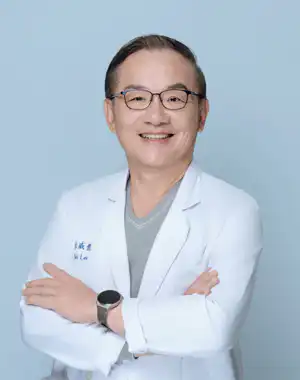
Professor Li Weijie (Dean)
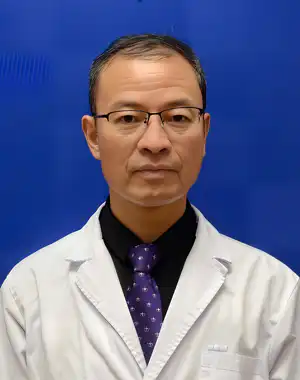
Professor Mao Zhongqi (Executive Director)
Scope of treatment
Obesity: simple obesity, pathological obesity, severe obesity.
Metabolic diseases: type 2 diabetes, hypertension, hyperlipidemia, fatty liver, sleep apnea, polycystic ovary syndrome, hyperuricemia.
Core technology
Laparoscopic one-anastomosis gastric bypass (OAGB)【Core Features】
Principle: Reduce stomach capacity + alter intestinal pathway, effectively promote weight loss + lower blood sugar.
Advantages: Leading nationwide, reduced surgical difficulty, excellent weight loss and blood sugar reduction effects, fewer postoperative complications.
Indications: Severe obesity (BMI≥35), type 2 diabetes, metabolic syndrome.
Laparoscopic sleeve gastrectomy (SG)
Principle: Remove most of the stomach, forming a sleeve-shaped small stomach, reducing hunger hormone.
Advantages: Minimally invasive, simple operation, quick recovery, clear weight loss effects.
Indications: Simple obesity, moderate obesity, obesity combined with hypertension/fatty liver.
Laparoscopic Roux-en-Y gastric bypass (RYGB)
Principle: Classic weight loss and blood sugar reduction procedure, small gastric pouch + intestinal bypass, long-lasting effects.
Indications: Super obesity, severe type 2 diabetes, combined with various metabolic diseases.
Single anastomosis double loop surgery (SASI)
Principle: Innovative procedure combining intake restriction and absorption reduction, outstanding blood sugar reduction effects.
Indications: Secondary repair for poor outcomes, weight regain, and complications after previous weight loss surgeries.
Internal medicine comprehensive treatment
Diet intervention, exercise guidance, drug therapy, lifestyle reshaping, preferred for non-surgical patients.
Successful case
A super obese patient (male, 28 years old)
Preoperative: BMI 63.2, severe obesity, sleep apnea, fatty liver, insulin resistance.
Procedure: Laparoscopic OAGB.
Outcome: Smooth surgery, got out of bed on the first day after surgery, discharged on the third day, continuous weight loss, comprehensive improvement in metabolic indicators.
A patient with polycystic ovary syndrome and obesity (female, 25 years old)
Preoperative: Weight 120.5kg, BMI 49.5, hypertension, fatty liver, amenorrhea.
Procedure: OAGB.
Outcome: Weight loss of 93 斤 after 1 year of surgery, menstruation returned to normal, successfully married.
A patient with diabetes and obesity (male, 40 years old)
Preoperative: Weight 156kg, BMI 51.8, diabetes, hypertension, hyperlipidemia, severe sleep apnea.
Procedure: Gastric bypass surgery.
Outcome: Weight loss of 61.6kg after 9 months of surgery, diabetes and hypertension cured and stopped medication.
Cardiovascu larInternal Medicine
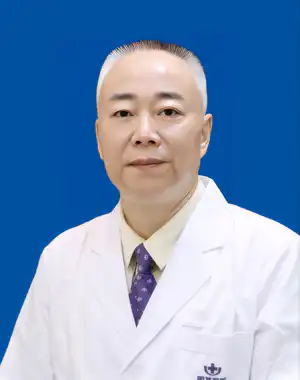
Xu Weiting (Director of Cardiology)
.webp)
Shi Cheng (Deputy Director of Cardiology)
Scope of treatment
Heart disease: angina pectoris, myocardial infarction, stent restenosis, coronary artery spasm, complex multivessel disease.
Arrhythmia: atrial fibrillation, supraventricular tachycardia, ventricular tachycardia, premature beats, bradycardia, atrioventricular block.
Valvular disease: mitral valve / aortic valve / tricuspid regurgitation / stenosis, infective endocarditis.
Heart failure: acute and chronic heart failure, dilated cardiomyopathy, hypertrophic cardiomyopathy.
Hypertension: primary / secondary hypertension, resistant hypertension.
Congenital heart disease: atrial septal defect, ventricular septal defect, patent ductus arteriosus, Tetralogy of Fallot, etc.
Others: aortic dissection, pulmonary hypertension, pericardial disease, myocarditis, etc.
Core technology
(1) Coronary Heart Disease and Chest Pain Center
Complex Coronary Intervention: Conduct IVUS/OCT assessment, calcified plaque rotational atherectomy, and other high-risk procedures, with over 800 cases completed annually, capable of managing difficult cases such as left main coronary artery and CTO occlusions.
Coronary Artery Bypass Surgery: Collaboration between internal and cardiovascular surgery, providing one-stop solutions for complex multivessel lesions with grafting and stent placement.
Chest Pain Green Channel: Achieving a high success rate in treating acute myocardial infarction with a door-to-balloon time ≤60 minutes.
(2) Arrhythmia and Electrophysiology Center
Comprehensive Atrial Fibrillation Treatment: One-stop surgery combining radiofrequency ablation and left atrial appendage closure, including thoracoscopic hybrid treatments.
Zero-Fluoroscopy Electrophysiology: Three-dimensional ablation guided by ICE, suitable for sensitive populations such as pregnant women and children.
Physiological Pacing: Performing LBBP/HBP procedures, implanting devices like ICDs and CRTs to manage challenging arrhythmias.
(3) Valvular Heart Disease and Structural Heart Disease
TEER Minimally Invasive Valve Repair: Mitral valve repair via catheterization without open-heart surgery, suitable for elderly high-risk patients.
– Minimally Invasive Valve Replacement/Repair, performing left atrial appendage closure as an alternative to long-term anticoagulation.
(4) Heart Failure and Hypertension
Comprehensive Heart Failure Management: Integrating medication, devices, and rehabilitation; renal artery denervation for refractory hypertension.
(5) Congenital Heart Disease
Performing minimally invasive interventions for atrial and ventricular septal defects closure, as well as complex congenital cardiac surgeries for children and adults.
Successful case
Left main coronary artery lesion acute myocardial infarction emergency rescue
The patient suddenly experienced chest pain and syncope. Angiography showed 90% stenosis of the left main coronary artery + occlusion of the left anterior descending branch. The chest pain green channel was opened centrally, a stent was implanted to open the blood vessel in 15 minutes, the heart rate recovered, and the patient’s condition stabilized.
Severe mitral valve regurgitation transcatheter edge-to-edge repair (TEER)
A 67-year-old patient with severe mitral valve regurgitation and poor heart function unable to tolerate open-heart surgery. TEER minimally invasive repair was performed with a 5mm incision in the femoral vein, completed in 2 hours. The patient got out of bed the day after the surgery, recovered within a week, and experienced significant relief of chest tightness and shortness of breath symptoms.
Pregnant patient zero-fluoroscopy supraventricular tachycardia ablation
A 17-week pregnant woman experiencing frequent episodes of supraventricular tachycardia with a heart rate of 180 beats per minute. Zero-fluoroscopy ablation guided by intracardiac ultrasound was performed to protect the mother and fetus from radiation. The surgery was successful, and the patient gave birth smoothly.
Neurology Department
.webp)
Yuan Qingfang (Director, Ph.D., Chief Physician)
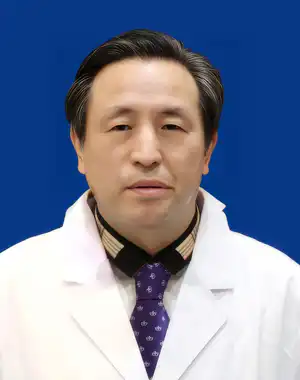
Xue Shouru (Ph.D., Chief Physician, Professor)
.webp)
Ye Min (Professor, Parkinson's Disease/Movement Disorders Specialist)
.webp)
Zhang Zengping (Associate Chief Physician)
Scope of treatment
Scope of treatment:Cerebrovascular diseases: cerebral infarction, cerebral hemorrhage, subarachnoid hemorrhage, cerebral artery dissection, carotid artery / intracranial artery stenosis, cerebral aneurysm, vascular malformation.
Movement disorders: Parkinson’s disease, Parkinson’s syndrome, essential tremor, dystonia, myotonia.
Epilepsy: various types of epilepsy (primary, secondary, refractory), status epilepticus.
Neuroimmune diseases: multiple sclerosis, neuromyelitis optica, myasthenia gravis, Guillain-Barré syndrome, autoimmune encephalitis.
Headache and dizziness: migraine, tension-type headache, cluster headache, benign paroxysmal positional vertigo, vertebrobasilar insufficiency, vestibular neuritis.
Cognitive impairment: Alzheimer’s disease, vascular dementia, frontotemporal dementia.
Neurocritical care: non-traumatic coma, encephalitis, meningitis, myelitis.
Others: motor neuron disease, multiple system atrophy, sleep disorders, neuromuscular diseases.
Core technology
(1) Stroke (Core Advantages)
– Ultra-early vascular recanalization: conducting venous thrombolysis, bridging mechanical thrombectomy (time window ≤ 24 hours), and controlling DNT within the standard range.
– Neurointervention: DSA angiography, intracranial and extracranial arterial stenting, intracranial arterial aneurysm coiling, and arterial dissection intervention.
– Stroke green channel: seamless connection with 120, triage assessment within 10 minutes, treating hundreds of cases annually; acute phase bedside rehabilitation intervention.
(2) Parkinson’s Disease and Movement Disorders
– Precision diagnosis: conducting IMR, olfactory testing, and DAT imaging in collaboration with Xiangya Hospital; standardized treatment, DBS surgery can be performed in the middle and late stages.
– Chronic disease management: establishing a patient database, providing long-term follow-up guidance, and delaying disease progression.
(3) Epilepsy and Neuroimmune Diseases
– Epilepsy diagnosis and treatment: relying on dynamic/long-term video EEG to locate lesions, collaborating with Sanbo Neurology for remote consultations, and providing a one-stop solution.
– Neuroimmune treatment: proficient in severe diseases such as multiple sclerosis, using immunomodulation, plasma exchange, and other strategies with a high success rate.
(4) Other Specialized Techniques
Conducting non-traumatic coma treatment, BPPV maneuver reduction, offering free consultation clinics for difficult diseases, and integrating multidisciplinary precision diagnosis and treatment.
Successful case
1. Emergency treatment for acute cerebral infarction (arterial dissection)
A 28-year-old male presented with sudden weakness in the right limbs, slurred speech, and severe headache. Diagnosed with acute cerebral infarction due to arterial dissection. Stroke center on standby 24 hours, rapid DSA evaluation, followed by arterial thrombolysis + stent placement. Blood vessel opened in 90 minutes, with basic recovery of limb function after 1 week post-operation, discharged without sequelae.
2. Comprehensive treatment for mid-to-late stage Parkinson’s disease
A 72-year-old female with Parkinson’s disease for 5 years, presenting with dyskinesia, gait freezing, and other symptoms. Optimized medication regimen + rehabilitation training, concurrent psychological counseling and bowel management, followed by DBS surgery with parameter optimization. Symptoms significantly relieved 3 months post-operation, leading to a substantial improvement in quality of life.
3. Management of myasthenic crisis
A 45-year-old female developed sudden difficulty in breathing and swallowing, diagnosed with myasthenic crisis with respiratory failure. Transferred to the NICU for endotracheal intubation and ventilation, treated with immunoglobulins + plasma exchange. Discharged after 1 week off the ventilator, and 2 weeks later for long-term management with stable condition.
Thoracic Surgery
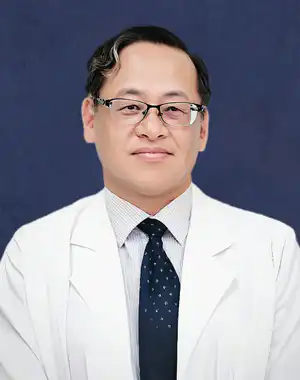
Liu Huiping (Chief Expert, Deputy Dean)
-1.webp)
Wei Jingyi (Director, Chief Physician)
.webp)
Liu Changjian (Chief Physician, Professor)
.webp)
Chen Shilin (Chief Physician)
Scope of treatment
Lung diseases: lung cancer, pulmonary nodule, pulmonary bulla, emphysema, lung abscess, pulmonary sequestration, etc.
Esophageal diseases: esophageal cancer, benign esophageal tumor, cardia cancer, esophageal diverticulum, esophageal fistula, etc.
Mediastinal diseases: mediastinal tumor, thymoma, myasthenia gravis (thymectomy), mediastinal cyst, etc.
Chest wall diseases: pectus excavatum, pectus carinatum, chest wall tumor, rib fracture, etc.
Great vessel diseases: aortic dissection, thoracoabdominal aortic aneurysm, carotid artery stenosis, lower limb varicose veins, deep vein thrombosis, etc.
Chest trauma: pneumothorax, hemothorax, lung laceration, chest wall soft tissue injury, etc.
Core technology
(1) Minimally Invasive Treatment for Chest Tumors (Core Advantages)
– Complete thoracoscopic radical treatment for lung cancer: single-port/multi-port lung lobe and segment resection, precise localization with fluorescence thoracoscopy navigation, minimally invasive lung protection, discharge 3-5 days post-surgery.
– Diagnosis and treatment of lung nodules: MDT one-stop management, performing CT-guided puncture localization, radiofrequency/microwave ablation, thoracoscopic nodule resection, precise intervention.
– Radical treatment for complex esophageal cancer: three-incision radical surgery, colon esophagus replacement, performing advanced difficult surgeries such as total thoracic vertebrectomy for late-stage lung cancer, achieving R0 resection.
(2) Diagnosis and Treatment of Major Vascular Diseases (Specialized Subspecialty)
– Minimally invasive repair of aortic diseases: performing TEVAR/EVAR minimally invasive stent implantation, suitable for elderly and high-risk patients, successfully repairing an 8cm thoracic aortic pseudoaneurysm.
– Treatment of carotid artery stenosis: performing endarterectomy, stent implantation to prevent stroke.
(3) Chest Trauma and Other Diseases
Performing internal fixation for rib fractures, repair of lung lacerations for chest trauma; thoracoscopic/mediastinoscopic resection of mediastinal tumors; Nuss procedure for minimally invasive correction of pectus excavatum, suitable for children and adults.
Successful case
1. Precise minimally invasive treatment for pulmonary nodules
A 52-year-old female was found to have an 8mm pure ground-glass pulmonary nodule during a physical examination, causing concern for malignancy. After evaluation by the pulmonary nodule MDT team, she underwent CT-guided puncture localization + uniportal thoracoscopic segmental lung resection. Intraoperatively, a diagnosis of minimally invasive adenocarcinoma was confirmed, and the lesion was precisely resected. She was discharged 3 days postoperatively without the need for radiotherapy or chemotherapy, and follow-up showed no recurrence.
2. Minimally invasive repair of pseudoaneurysm of the thoracic aorta
A 36-year-old male with a history of Crohn’s disease presented with sudden chest tightness. CT revealed an 8cm pseudoaneurysm of the thoracic aorta with a high risk of rupture. A multidisciplinary team performed TEVAR minimally invasive stent implantation to isolate the aneurysm sac blood flow and avoid open chest surgery. Postoperatively, he recovered well, with follow-up showing disappearance of the aneurysm and patent blood vessels.
3. Secondary surgery for complex esophageal cancer
A 68-year-old male with recurrent anastomotic site esophageal cancer 5 years after initial surgery was deemed inoperable at another hospital. Under the direction of Director Wei Jingyi, a second radical surgery + colon esophageal replacement was performed to reconstruct the digestive tract. The surgery was successful, and he started a liquid diet 7 days postoperatively. One year of follow-up showed no recurrence, and he resumed a normal diet.
Otorhinolaryngology Head and Neck Surgery
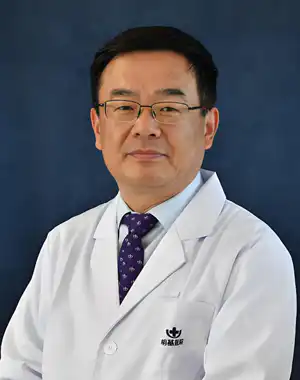
Yu Zhenkun (Subject Leader, Dean)
.webp)
Xia Yin (Head of ENT Department)
.webp)
Lu Yuanyuan (Director of Otorhinolaryngology, Director of Snoring Center)
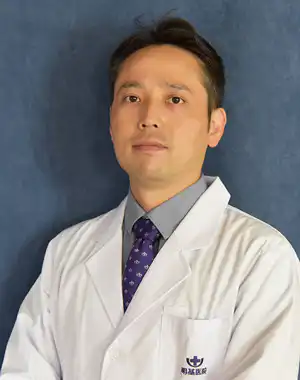
Gong Danchun (Executive Director, Deputy Director of Head and Neck Surgery)
.webp)
Zhang Yijuan (Director of Rhinology)
Scope of treatment
otitis media, hearing loss, tinnitus, vertigo, facial paralysis, lateral skull base tumor, cochlear implantation.
Nose: sinusitis, nasal polyps, allergic rhinitis, deviated nasal septum, skull base tumor, nasolacrimal disorders.
Otorhinolaryngology: laryngeal papilloma, vocal cord polyps/nodules, early laryngeal cancer, snoring, pediatric adenoid hypertrophy, temporomandibular joint dislocation.
Head and Neck Surgery: thyroid/parathyroid tumors, laryngeal/pharyngeal cancer, nasal and sinus tumors, parotid/submandibular gland tumors, neck masses.
Core technology
(1) Core Technologies in Otology
Carrying out cochlear implantation (pediatric/adult), radical mastoidectomy for chronic otitis media, reconstruction of ossicular chain; removal of skull base tumors while preserving nerve function; diagnosis and treatment of vertigo and facial paralysis, combined with vestibular rehabilitation; minimally invasive ear endoscopy surgery suitable for pediatric and elderly patients.
(2) Core Technologies in Rhinology
Minimally invasive endoscopic treatment for sinusitis, nasal polyps, etc., performing skull base tumor resection, repair of cerebrospinal fluid rhinorrhea; minimally invasive surgery for nasal and orbital diseases; standardized diagnosis and treatment of allergic rhinitis, including allergen testing and desensitization therapy.
(3) Core Technologies in Otolaryngology
CO₂ laser + photodynamic therapy for recurrent laryngeal papillomatosis; microlaryngeal surgery for voice disorders; minimally invasive excision of adenoids/tonsils (day surgery); temporomandibular joint relocation surgery (national patent), filling the regional gap.
(4) Core Technologies in Head and Neck Surgery
Minimally invasive/endoscopic thyroid surgery, refined resection of thyroid cancer; laser-assisted minimally invasive resection of early head and neck tumors, salvage treatment for advanced tumors; functional preservation surgery for laryngeal/hypopharyngeal cancer + voice reconstruction.
Successful case
1. Cochlear implantation for hearing reconstruction
A 5-year-old prelingually deaf child with bilateral hearing loss of 90dB, unable to communicate normally. The otolaryngology team performed bilateral cochlear implantation surgery, followed by language rehabilitation training. After 3 months, the child could understand simple instructions, and after 1 year, could communicate fluently and smoothly integrate into kindergarten.
2. Salvage treatment for advanced head and neck tumor involving the carotid artery
A 70-year-old male with a huge neck tumor invading the carotid artery, deemed inoperable by an external hospital. The Zhongkun team, in collaboration with the interventional department, performed a hybrid surgery, implanting a carotid artery stent, followed by tumor resection and repair. The surgery was successful, with the patient surviving over 2 years and experiencing a significant improvement in quality of life.
3. Stereotactic treatment for laryngeal papillomatosis
A 3-year-old child with recurrent laryngeal papillomatosis for 5 years, experiencing multiple surgical relapses affecting breathing and voice. The otorhinolaryngology team utilized CO₂ laser + photodynamic therapy + medication for comprehensive treatment. After 1 year of follow-up, there was no recurrence, voice function returned to normal, and the need for long-term tracheostomy was avoided.
Urology
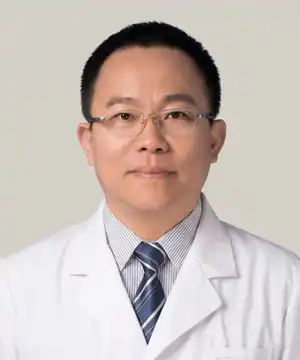
Wu Xuejie (Deputy Dean, Chief Physician, Ph.D.)
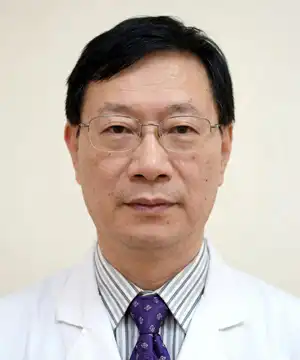
Shan Yuxi (Doctoral Supervisor, Renowned Physician)
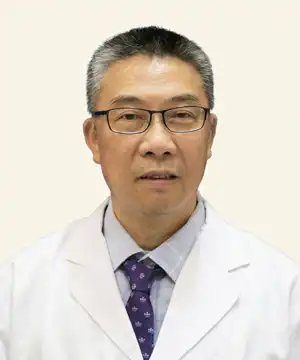
Zhou Yun (Doctoral Supervisor, Chief Physician)
Scope of treatment
Urinary system stones: kidney stones, ureteral stones, bladder stones, urethral stones, stag horn stones, prevention of stone recurrence.
Prostate diseases: prostate enlargement, prostatitis, prostate cancer, urinary obstruction, urinary retention.
Urinary system tumors: kidney cancer, adrenal tumors, bladder cancer, prostate cancer, renal pelvis and ureter cancer.
Female urology: urinary incontinence, pelvic organ prolapse, interstitial cystitis, recurrent urinary tract infections.
Pediatric urology: congenital hydronephrosis, buried penis, cryptorchidism, hypospadias, urethral stricture, prenatal consultation for fetal urology.
Andrology diseases: varicocele, seminal vesiculitis, male infertility, sexual dysfunction.
Others: renal cysts, hydrocele, urethral stricture, adrenal hypertension, urological trauma.
Core technology
(1) Minimally invasive system for the full chain of urinary stones
Comprehensive minimally invasive procedures without open surgery, 24-hour emergency lithotripsy; including extracorporeal shock wave lithotripsy (non-invasive outpatient), ureteroscopy with Olympus electronic flexible ureteroscope holmium laser lithotripsy (kidney-sparing non-invasive), percutaneous nephrolithotomy (for large stones); with stone composition analysis, recurrence prevention, and metabolic management.
(2) Fine-tuned minimally invasive spectrum for prostate diseases
Covering plasma vaporization/resection, Suzhou Dan Yuxi expert green light vaporization/resection (preferred for elderly anticoagulant therapy), holmium laser enucleation (HoLEP, international gold standard); leading in Nanjing, synchronously conducting Rezum thermal vapor ablation (suitable for very high-risk elderly); with urodynamic assessment and rehabilitation management.
(3) Minimally invasive radical cure integration for urological tumors
Laparoscopic radical nephrectomy/nephron-sparing surgery for renal cell carcinoma, adrenal tumors, bladder cancer, minimally invasive radical prostatectomy; exclusive Da Vinci robotic-assisted surgery in Nanjing (precision minimally invasive); MDT comprehensive closed-loop management (surgery + chemotherapy + immunotherapy + follow-up).
(4) Female urology and urinary control, pelvic floor diseases
Performing TOT/TVT minimally invasive suspension for urinary incontinence, pelvic organ prolapse repair, interstitial cystitis diagnosis and treatment, and pelvic floor rehabilitation.
(5) Correction of congenital abnormalities in pediatric urology
Performing UPJO correction, concealed penis correction, etc., Suzhou Zhou Yunbo specializes in prenatal consultation and postnatal treatment for fetal urological malformations.
(6) Andrology and other urological diseases
Treatment with vesiculoscopy, microsurgical varicocelectomy, diagnosis and treatment of male infertility/sexual dysfunction, as well as minimally invasive treatment for urethral strictures, renal cysts, etc.
Successful case
Bladder cancer robot-assisted minimally invasive surgery at the age of 100
A 100-year-old patient with recurrent bladder cancer, complicated by hypertension, poor heart and lung function, and other underlying conditions, was deemed inoperable by another hospital. Following a multidisciplinary team (MDT) consultation led by Peng Guohui, the patient underwent a Da Vinci robot-assisted laparoscopic partial bladder resection, achieving precise tumor removal. The patient was able to get out of bed and eat on the first day after surgery, experienced no severe complications, recovered smoothly, and was discharged, with a focus on both tumor eradication and quality of life.
Super-aged 92-year-old with high-risk benign prostatic hyperplasia treated with steam vaporization
A 92-year-old patient with 5 years of urinary difficulty, a history of coronary artery bypass surgery, and long-term oral anticoagulant therapy, making them unsuitable for conventional surgery. Under the team led by Hong Bo, the patient underwent prostatic steam vaporization, which was completed in 5 minutes without bleeding or tissue removal. The patient experienced rapid urination postoperatively, did not need to discontinue anticoagulant therapy, and had no burden on heart and lung function, effectively resolving urinary retention and nocturia.
61-year-old with benign prostatic hyperplasia treated with steam vaporization to preserve function
A 61-year-old male with recurrent urinary retention and nocturia 4-5 times a night, concerned about potential surgical impact on sexual function. Minimally invasive treatment with steam vaporization was performed, taking 5 minutes to complete. Postoperatively, the patient had smooth urination, preserved sexual function, no retrograde ejaculation, and quickly returned to normal life.
Nephrology
.webp)
Lou Jizhuang (Director of the Department, Chief Physician, Master Supervisor)
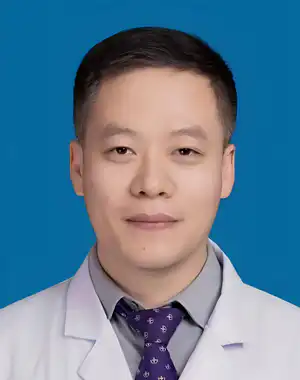
Gao Zhanhui (Deputy Director, Director of Hemodialysis Center, Chief Physician)
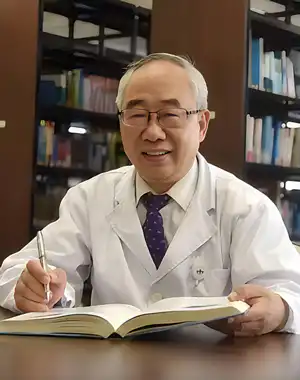
Ji Daxi (Specially Appointed Chief Expert)
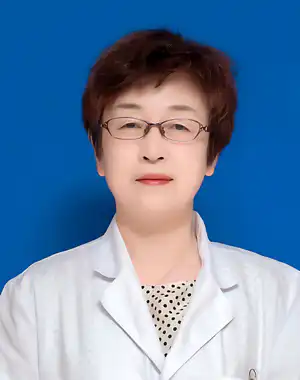
Zhi Min (Director of the Department, Chief Physician)
Scope of treatment
Primary glomerular diseases: various types of nephritis, nephrotic syndrome, IgA nephropathy, membranous nephropathy, hematuria, proteinuria.
Secondary renal diseases: diabetic nephropathy, hypertensive nephropathy, gouty nephropathy, lupus nephritis, ANCA-associated vasculitis renal damage, purpura nephritis.
Acute and chronic renal failure: acute kidney injury, chronic kidney disease stages 1-5, uremia.
Blood purification related: maintenance hemodialysis, hemofiltration, perfusion, CRRT for critical care support, plasma exchange, peritoneal dialysis home management.
Dialysis vascular access: arteriovenous fistula, synthetic graft fistula, catheter insertion, fistula stenosis/occlusion intervention repair.
Uremia complications: secondary hyperparathyroidism, renal anemia, renal hypertension, renal osteodystrophy, electrolyte imbalance, pruritus.
Benign renal conditions: simple renal cysts, polycystic kidneys, urinary tract infections, interstitial nephritis, drug-induced renal injury.
Critical renal diseases: rhabdomyolysis renal injury, septic shock renal failure, uremic encephalopathy, heart failure renal failure combined treatment.
Core technology
(1) Precision diagnostic techniques for kidney
Carrying out percutaneous renal biopsy guided by ultrasound (the gold standard for diagnosing kidney diseases, guiding individualized drug therapy); sclerotherapy for renal cyst puncture (completed in outpatient setting with low recurrence rate); comprehensive management of chronic kidney disease (CKD), establishing exclusive medical records, delaying kidney failure, and postponing dialysis.
(2) Full spectrum blood purification technology
Covering all mainstream purification modes: conventional hemodialysis (HD), hemodiafiltration (HDF), hemoperfusion (HP), continuous renal replacement therapy (CRRT, for critical care life support), double/regular plasma exchange (DFPP/PE), peritoneal dialysis (PD, suitable for elderly patients at home).
(3) MDT technology for dialysis vascular access
Performing autogenous arteriovenous fistula, prosthetic graft arteriovenous fistula, central venous catheter insertion; supporting interventional repair under DSA/ultrasound guidance, including fistula stenosis dilation, thrombus clearance, aneurysm repair, solving various difficult access problems.
(4) Precision treatment for secondary kidney diseases and uremia complications
Suzhou pioneered the targeted therapy of membranous nephropathy with rituximab; Nanjing General Hospital carried out microwave ablation of parathyroid glands (curing secondary hyperparathyroidism); integrated management of renal anemia, hypertension, and other complications, individualized treatment for various secondary kidney diseases.
(5) Emergency treatment of critical kidney diseases
Treating acute kidney injury, severe infection-related kidney failure, and other critical kidney diseases, using CRRT combined with multidisciplinary emergency care to reverse kidney function and discontinue dialysis.
Successful case
Rare thrombotic microangiopathy, dual plasma exchange reverses renal failure
Elderly patient, pulmonary infection induced hemolytic uremic syndrome (thrombotic microangiopathy), complicated by acute renal failure, respiratory failure, requiring urgent dialysis and plasma shortage, poor prognosis at the previous hospital. Dr. Zhimin’s team initiated dual plasma exchange (DFPP), combined with immunosuppression, respiratory support, and infection control, successfully treated in a general ward. Postoperatively, renal function recovered, successfully weaned off dialysis, normal respiratory and coagulation function, stable follow-up, hospital simultaneously applied for public assistance to reduce the burden.
90-year-old elderly with difficult arteriovenous fistula occlusion intervention
90-year-old with long-term dialysis for uremia, existing arteriovenous fistula completely occluded, poor vascular conditions, multiple comorbidities, unable to create a new fistula. Dr. Zhanhui’s team performed drug-coated balloon intervention to dilate and open the fistula under DSA guidance, minimally invasive without surgery. Postoperatively, the fistula was unobstructed, resumed regular dialysis without the need for long-term indwelling catheters, avoiding infection risks, and the patient tolerated the procedure safely.
Refractory secondary hyperparathyroidism in uremia, microwave ablation for minimally invasive cure
Patient on dialysis for 8 years, severe secondary hyperparathyroidism, extremely high PTH levels, accompanied by systemic bone pain, skin itching, and other symptoms, ineffective drug treatment. Ultrasound-guided parathyroid microwave thermal ablation, local anesthesia, minimally invasive, needle puncture incision. Postoperatively, PTH rapidly decreased to normal levels, all symptoms relieved, vascular calcification stopped, improved nutrition and sleep, avoiding surgical resection trauma.
Liver, gallbladder, and pancreatic diseases
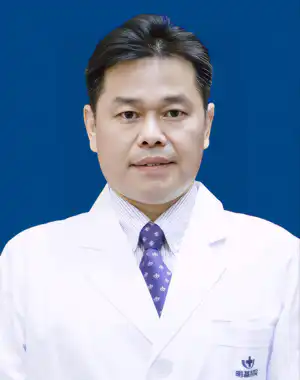
Chen Jianfeng (Center Director, Chief Physician)
Wu Haorong (Chief Physician, Professor, PhD Supervisor)
Wu Guoqiang (Chief Physician, Medical Doctor)
Scope of treatment
1. Liver diseases
Primary liver cancer, hepatic hemangioma, hepatic cyst, liver abscess, intrahepatic bile duct stones, cirrhosis, portal hypertension, splenomegaly, esophageal variceal bleeding, liver trauma.
2. Biliary tract diseases
Gallstones, gallbladder polyps, cholecystitis, common bile duct stones, biliary stricture, iatrogenic biliary injury, bile duct cancer, obstructive jaundice, congenital biliary malformation.
3. Pancreatic diseases
Pancreatic head cancer, pancreatic body and tail tumors, pancreatic neuroendocrine tumors, acute severe pancreatitis, pseudocysts of the pancreas, pancreatic duct stones, periampullary cancer.
4. Splenic diseases
Splenomegaly, splenic hyperfunction, splenic tumors, splenic diseases related to portal hypertension.
5. Interventional and endoscopic procedures for all diseases
Endoscopic stone removal for gallbladder and pancreas stones, biliary stent placement for jaundice reduction, transarterial chemoembolization (TACE) for liver cancer, tumor ablation, portal vein tumor thrombosis intervention, endoscopic ultrasound (EUS) diagnostic puncture.
Core technology
(1) Precision minimally invasive diagnosis and treatment of liver diseases
Laparoscopic precision liver resection: anatomical resection, precise vascular protection, minimal bleeding with minimally invasive approach.
Stratified diagnosis and treatment of liver cancer: early-stage laparoscopic radical treatment, middle-late stage TACE + targeted immunotherapy, comprehensive follow-up throughout the process.
Minimally invasive treatment of liver cysts: ultrasound-guided puncture, laparoscopic fenestration, completed in outpatient/day surgery.
Minimally invasive treatment of portal hypertension: laparoscopic splenectomy + vascular ligation to prevent upper gastrointestinal bleeding.
(2) Comprehensive minimally invasive techniques for biliary diseases
Laparoscopic cholecystectomy: multi-port/single-port scarless, routinely performed as day surgery.
Dual endoscopy: common bile duct stone extraction, primary closure without T-tube, rapid recovery.
Non-invasive ERCP: oral route access, management of biliary and pancreatic stones, obstructions suitable for elderly patients.
Biliary tract repair: reshaping, choledochoenterostomy, management of postoperative complications.
(3) Minimally invasive diagnosis and treatment of pancreatic diseases
Radical treatment of pancreatic body and tail tumors: minimally invasive spleen preservation, retention of pancreatic function.
Excision of benign pancreatic tumors: precise resection, preservation of pancreatic function.
Diagnosis and treatment of pancreatitis: standardized treatment for mild cases, minimally invasive drainage of pseudocysts.
Comprehensive diagnosis and treatment of pancreatic cancer: reduction of jaundice obstruction, interventional targeted therapy, collaboration with Shanghai expert MDT.
(4) Interventional ablation techniques
Radiofrequency/microwave ablation for liver cancer: needle-hole minimally invasive approach, achieving radical effect.
TACE chemotherapy embolization: control of middle-late stage liver cancer, achieving downstaging.
PTCD and biliary stenting: relief of malignant obstructions, liver function protection and jaundice reduction.
(5) ERAS rapid recovery system
Liver, gallbladder, and pancreas-specific ERAS pathways: simplified preoperative preparation, early postoperative mobilization and feeding, shortened hospital stay, reduced complications.
Successful case
Gallbladder multiple stones, single-port laparoscopic day surgery for minimally invasive removal.
Patient information: 32-year-old female with multiple gallbladder stones, recurrent right upper abdominal pain, seeking minimally invasive procedure for aesthetic appearance and quick discharge.
Treatment process: Single-port laparoscopic cholecystectomy, with only a small hidden incision at the navel, fully minimally invasive.
Treatment outcome: Got out of bed on the day of surgery, discharged the next day, no obvious abdominal scars, mild pain, no complications.
Elderly patient with huge common bile duct stones, non-invasive endoscopic stone removal through ERCP.
Patient information: 76-year-old elderly with multiple underlying heart and lung diseases, huge common bile duct stones causing obstructive jaundice, unable to tolerate open surgery.
Treatment process: Oral ERCP endoscopic stone fragmentation and removal, no incisions on the body surface, no need for anesthesia or surgery.
Treatment outcome: Stones completely removed in one session, rapid resolution of jaundice, discharged after 3 days post-surgery, no bile duct injury, good postoperative recovery.
Solid pseudopapillary tumor at the body and tail of the pancreas, laparoscopic spleen-preserving minimally invasive resection.
Patient information: 44-year-old female with low-grade malignant solid pseudopapillary tumor at the body and tail of the pancreas, requesting minimally invasive procedure with spleen preservation.
Treatment process: Laparoscopic resection of the pancreatic body and tail tumor + spleen-preserving surgery.
Treatment outcome: Complete tumor resection, intact spleen function, discharged after 4 days post-surgery, no damage to pancreatic endocrine function, long-term follow-up shows no recurrence.
Gynecology
Dr. Ying Xiaoyan (Chief of Obstetrics and Gynecology, Discipline Leader, PhD Supervisor)
Dr. Song Hongjuan (Chief of Gynecology, Chief Physician, Master's Supervisor)
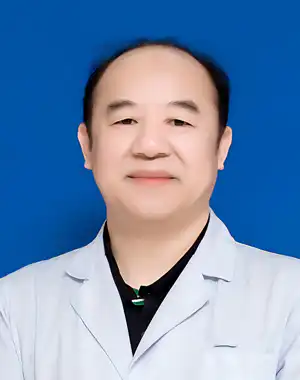
Dr. Li Deming (Head of Obstetrics Department, Chief Physician)
Scope of treatment
Benign gynecological tumors: uterine fibroids, ovarian cysts, teratomas, chocolate cysts, cervical polyps.
Uterine cavity diseases: endometrial polyps, submucosal fibroids, intrauterine adhesions, uterine septum, abnormal uterine bleeding, retained products of conception.
Cervical diseases: HPV infection, cervicitis, cervical precancerous lesions, LEEP conization, early screening and prevention of cervical cancer.
Malignant gynecological tumors: cervical cancer, endometrial cancer, ovarian cancer, vulvar cancer, tumor comprehensive MDT management.
Reproductive endocrinology: menstrual disorders, amenorrhea, polycystic ovary syndrome, premature ovarian failure, hyperprolactinemia, perimenopausal/menopausal syndrome.
Pelvic floor dysfunction: stress urinary incontinence, uterine/vaginal prolapse, postpartum pelvic floor injuries, rectus abdominis diastasis, chronic pelvic pain.
Endometriosis: ovarian endometrioma, deep infiltrating endometriosis, comprehensive diagnosis and treatment of dysmenorrhea.
Reproductive tract anomalies: uterine malformations, congenital vaginal developmental abnormalities, corrective surgery for rudimentary uterus, etc.
Inflammation and intimate care: vaginitis, pelvic inflammatory disease, vulvar and vaginal lesions, intimate aesthetic maintenance.
Ectopic pregnancy, investigation of causes of infertility related to uterine cavity, gynecological trauma and repair of postoperative complications.
Core technology
(1) Gynecological Endoscopic Minimally Invasive System
1. Hysteroscopic Minimally Invasive: through the vaginal route, for treating submucosal fibroids, polyps, intrauterine adhesions, uterine septum, etc., and investigating the causes of infertility; 2. Laparoscopic Minimally Invasive: multi-port/single-port/NOTES scarless surgery, for myomectomy, ovarian cystectomy, endometriosis excision, etc.; 3. Exclusive to Nanjing General Hospital: Da Vinci Xi robot-assisted minimally invasive surgery, used for complex gynecological malignant tumors and other difficult surgeries, precise minimally invasive procedures.
(2) Standardized Diagnosis and Treatment of Gynecological Tumors
Perform radical surgeries for cervical, uterine, ovarian, and vulvar cancers, as well as lymph node dissection; MDT multidisciplinary comprehensive management, covering surgery, radiotherapy, chemotherapy, targeted therapy, immunotherapy, etc.; Stepwise prevention and control of cervical precancerous lesions (TCT/HPV screening → colposcopy → LEEP cone biopsy); Preservation of fertility in young patients.
(3) Comprehensive Management of Reproductive Endocrine and Menstrual Disorders Throughout the Cycle
Precise diagnosis and treatment of polycystic ovary syndrome, abnormal uterine bleeding, premature ovarian insufficiency, etc.; Hormone replacement therapy and chronic disease prevention for perimenopausal syndrome; Comprehensive management and control of endometriosis, primary dysmenorrhea.
(4) Pelvic Floor Dysfunction and Postpartum Rehabilitation System
Perform minimally invasive suspension procedures for urinary incontinence such as TVT/TVT-O, pelvic organ prolapse repair; One-stop rehabilitation for postpartum pelvic floor muscles, rectus abdominis separation, etc.; Private cosmetic surgery, correction of benign vulvar lesions, and diagnosis and treatment of chronic pelvic pain.
(5) Correction of Reproductive Tract Malformations and Difficult Gynecological Corrections
Minimally invasive correction of congenital reproductive tract malformations such as vaginal agenesis, double uterus, etc.; Repair of old perineal lacerations, restoration of gynecological postoperative adhesions and complications from surgeries performed elsewhere.
(6) Gynecological Inflammation and Daytime Minimally Invasive Diagnosis and Treatment
Standardized treatment of vaginitis, pelvic inflammatory disease, etc.; Perform LEEP cone biopsy, daytime hysteroscopy/single-port laparoscopy, with same-day surgery and discharge on the same day/next day.
Successful case
1. Removal of giant uterine fibroid through single-incision scarless laparoscopy
A 32-year-old unmarried female with multiple giant uterine fibroids (largest 9cm), experiencing pelvic pressure and heavy menstrual bleeding, requested a scarless abdominal procedure to preserve the uterus and fertility. The team performed a single-incision laparoscopic uterine fibroid removal surgery, with only a concealed small incision at the navel. The entire fibroid was completely removed with minimal intraoperative bleeding. The patient was discharged 2 days post-surgery with no visible abdominal scars, normal menstrual recovery, no impact on future fertility, and no recurrence during follow-up.
2. Robot-assisted radical surgery for advanced ovarian cancer
A 56-year-old female with advanced epithelial ovarian cancer accompanied by extensive pelvic metastasis and severe adhesions, making traditional open surgery highly traumatic. Director Wang Jing’s team utilized the Da Vinci robot for comprehensive staging and radical surgery for ovarian cancer, meticulously clearing lymph nodes, completely excising the tumor, and accurately protecting surrounding organs. The patient experienced rapid postoperative recovery, received adjuvant therapy, and maintained stable survival during long-term follow-up, significantly improving her quality of life.
3. Hysteroscopic non-invasive separation for severe intrauterine adhesions
A 29-year-old female with severe intrauterine adhesions, amenorrhea, and infertility following previous unsuccessful surgeries at another hospital. Precise separation of adhesions using high-definition hysteroscopy was performed, followed by sequential hormonal endometrial support postoperatively. The uterine cavity morphology returned to normal, menstrual cycles resumed, and successful conception was achieved in subsequent fertility planning.
Gastroenterology
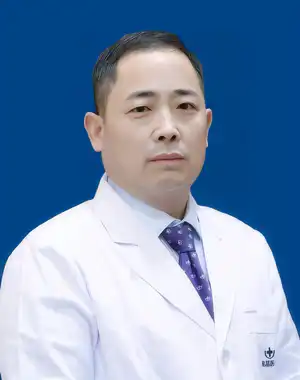
Lü Shengxiang (Chief Physician, Doctor of Medicine, Master's Supervisor)
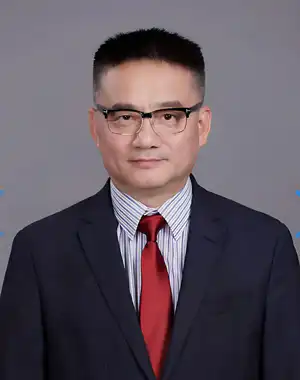
Zhuge Yuzheng (Chief Physician, Doctor of Medicine, Doctoral Supervisor)
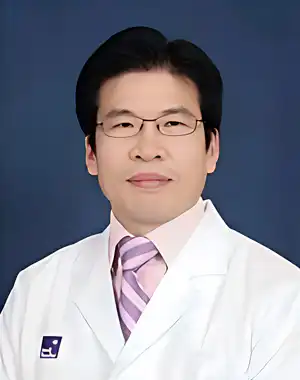
Gu Kaihua (Chief Physician)
Scope of treatment
Gastrointestinal diseases: gastric cancer, gastrointestinal stromal tumor, gastric ulcer perforation, gastric polyps, hiatal hernia, gastric prolapse, pyloric obstruction.
Colorectal diseases: colon cancer, rectal cancer, intestinal adenoma, intestinal polyps, diverticulitis, intestinal obstruction, intestinal adhesions, intestinal fistula.
Early gastrointestinal cancer: high-grade dysplasia in esophagus, stomach, and colorectal, early cancerous changes (endoscopic submucosal dissection for radical cure).
Inflammatory bowel disease: Crohn’s disease, ulcerative colitis and surgical complications.
Abdominal wall hernia surgery: inguinal hernia, incisional hernia, umbilical hernia, parastomal hernia, minimally invasive repair for recurrent hernia.
Abdominal emergency: gastrointestinal perforation, acute intestinal obstruction, abdominal trauma, abdominal infection.
Others: pelvic floor defecation dysfunction, repair of postoperative gastrointestinal complications, nutritional metabolism assessment and rehabilitation.
Core technology
1. The full spectrum of minimally invasive diagnosis and treatment for gastric diseases
Laparoscopic gastric and duodenal surgery: Conduct single-port / multi-port laparoscopic surgery, accurately remove lesion tissues, with small trauma and fast recovery, suitable for the treatment of benign and malignant gastric and duodenal diseases.
Endoscopic diagnostic and therapeutic techniques: Regularly perform gastroscopy, colonoscopy examinations and treatments, accurately screen for gastrointestinal lesions, achieve early detection and intervention, and reduce misdiagnosis rates.
Management of complex gastrointestinal cases: For complex gastrointestinal diseases and postoperative complications, establish a multidisciplinary team (MDT) to provide standardized diagnostic and treatment plans.
2. Precision diagnosis and treatment of liver, gallbladder, and pancreatic diseases
Liver diseases: Perform laparoscopic liver resection, minimally invasive treatment for liver cysts, accurately protect liver function, and reduce postoperative complications.
Biliary diseases: Implement laparoscopic + choledochoscopy combined treatment, without T-tube placement, to reduce trauma.
Pancreatic diseases: Conduct laparoscopic and interventional treatments, combined with MDT consultations, to achieve precision diagnosis and treatment.
3. Core techniques of digestive endoscopy
Routine endoscopic examinations: Screen for gastrointestinal lesions and guide precise treatment.
Therapeutic endoscopy: Perform polypectomy, stricture dilation, stent implantation, etc., to achieve non-invasive / minimally invasive diagnosis and treatment.
4. Supporting technical guarantees
Advanced equipment support: Equipped with high-definition endoscopes, imaging devices to ensure diagnostic and treatment accuracy.
Fast recovery system: Optimize preoperative preparation, postoperative care, shorten hospitalization periods, and enhance the diagnostic and treatment experience.
Academic research and follow-up: Conduct clinical research, establish patient follow-up records, and achieve standardized management throughout the process.
Successful case
Ultra-low rectal cancer radical surgery with sphincter preservation at the limit
A 52-year-old male with rectal adenocarcinoma located only 2.5cm from the anal verge was deemed unable to preserve the anus and was advised to have a permanent stoma by another hospital. Director Zhang Yexin’s team performed laparoscopic TME total mesorectal excision + modified low anterior resection, meticulously preserving the pelvic floor nerves and bowel function. The tumor was completely eradicated, the anus was successfully preserved without the need for a stoma, and the patient was discharged after 7 days post-surgery. Follow-up showed no recurrence or anastomotic complications.
Advanced gastric cancer laparoscopic D2 radical surgery
A 64-year-old male with advanced adenocarcinoma of the gastric antrum with lymph node metastasis and invasion of the muscle layer. Laparoscopic distal gastric cancer D2 radical surgery + gastrointestinal reconstruction was performed to achieve R0 resection by thorough lymph node clearance. The patient recovered rapidly post-surgery and had long-term disease-free survival after adjuvant therapy.
Laparoscopic minimally invasive resection of a giant gastric stromal tumor
A 45-year-old female with a huge 8cm gastric stromal tumor at the gastric fundus was afraid of open surgery. A 4K fluorescence laparoscope was used for precise tumor resection, preserving the intact gastric wall and function. The patient was discharged after 4 days post-surgery and had no recurrence during follow-up.
Respiratory Medicine
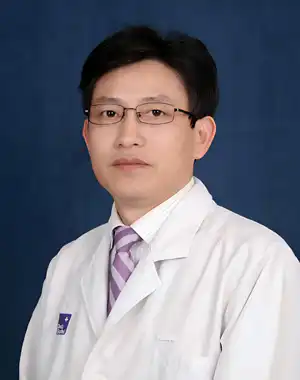
Wang Cheng (Respiratory Department Director, Chief Physician, PhD)
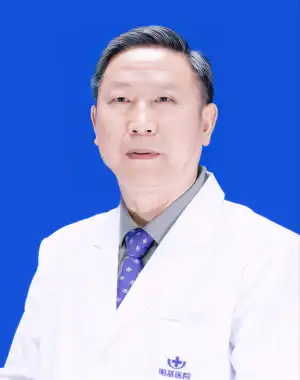
Xu Xingxiang (Chief Physician, Professor, Postdoctoral Supervisor)
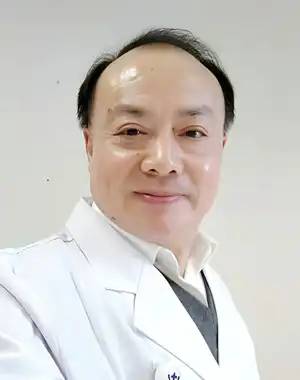
Cai Jiankang (Chief Physician, Associate Professor)
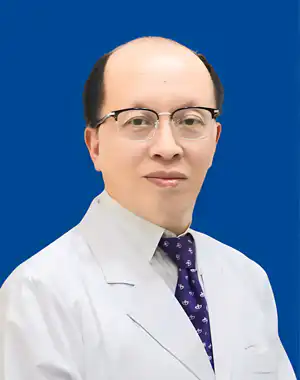
Lin Yong (Chief Physician, Professor, PhD)
Scope of treatment
Lung Nodule Specialty: Ground-glass nodule, Solid nodule, Mixed nodule, Early cancer screening, Benign and malignant differentiation, Minimally invasive interventional ablation.
Chronic Airway Diseases: Chronic obstructive pulmonary disease (COPD), Bronchial asthma (including severe refractory asthma), Chronic bronchitis, Bronchiectasis.
Respiratory Intervention and Airway Diseases: Airway tumors, Benign and malignant airway stenosis, Large airway obstruction, Hemoptysis, Airway foreign body, Tracheoesophageal fistula.
Infectious Lung Diseases: Community / hospital-acquired pneumonia, Severe pneumonia, Fungal lung disease, Viral pneumonia, Recurrent respiratory tract infections.
Interstitial Lung Diseases: Pulmonary fibrosis, Allergic pneumonia, Connective tissue-related lung diseases.
Sleep Breathing Disorders: Snoring, Obstructive sleep apnea-hypopnea syndrome (OSAHS), Nocturnal hypoxemia.
Respiratory Critical Illness: ARDS Acute Respiratory Distress Syndrome, Severe asthma, Respiratory failure, ECMO life support.
Others: Chronic cough, Allergic cough, Pleural diseases, Pneumothorax, Pulmonary rehabilitation, Home oxygen therapy and ventilation management.
Core technology
(1) Precise management of pulmonary nodules
Establish a multidisciplinary (MDT) tiered diagnosis and treatment system involving respiratory, thoracic surgery, imaging, etc., to achieve early interception of lung cancer. Core technologies include thin-section CT three-dimensional reconstruction, nodule AI intelligent analysis, malignant risk scoring; CT-guided lung biopsy, bronchoscopy (EBUS/ENB) biopsy; early lung cancer radiofrequency/microwave ablation (minimally invasive); establish a lifelong tiered follow-up system to avoid excessive examinations and surgeries.
(2) Respiratory intervention and minimally invasive bronchoscopy techniques
The Nanjing General Hospital has a leading advantage, with synchronous operations in Suzhou. It covers integrated flexible and rigid bronchoscopy, airway tumor resection and granulation tissue ablation, airway stent placement/balloon dilation; electromagnetic navigation bronchoscopy (ENB) for precise diagnosis and treatment of peripheral small nodules; bronchial artery embolization for treating massive hemoptysis; removal of airway foreign bodies, closure of tracheobronchial fistulas.
(3) Chronic management of COPD and asthma
Following international guidelines, conducting lung function tests, FeNO measurements, allergen skin prick tests; personalized stepwise medication, including targeted biologic therapy for severe refractory asthma; establishing chronic disease records, combining pulmonary rehabilitation training, non-invasive ventilation support to delay lung function decline, and reduce acute exacerbations.
(4) Treatment of pulmonary infections and difficult respiratory diseases
Precise diagnosis and treatment of community-acquired pneumonia, severe pneumonia, fungal lung diseases, bronchiectasis, etc.; implementing tiered anti-infective treatment and airway clearance comprehensive therapy for recurrent chronic cough, interstitial lung diseases (pulmonary fibrosis).
(5) Integrated diagnosis and treatment of sleep breathing disorders
Diagnosing OSAHS through polysomnography (PSG), using lifestyle interventions, oral appliances, and stepwise treatment with non-invasive ventilators to address snoring, apnea, and prevent related complications.
(6) Critical care for respiratory emergencies (top in the province at Nanjing General Hospital)
Establishing a respiratory critical care unit, providing invasive/non-invasive mechanical ventilation, high-flow oxygen therapy, and the ability to perform ECMO extracorporeal membrane oxygenation to treat severe pneumonia, ARDS, respiratory circulatory failure, and other critical emergencies, offering comprehensive life-saving treatment.
Successful case
Deep pulmonary small nodules ENB non-invasive ablation cure
Patient information: 54 years old, during a physical examination, an 8mm ground-glass pulmonary peripheral small nodule was found, located deep, close to the pleura, not reachable by regular bronchoscopy.
Diagnosis and treatment process: Using electromagnetic navigation bronchoscopy (ENB) for precise lesion localization, simultaneously performing biopsy + radiofrequency ablation, throughout the procedure non-invasive, without chest wall incision.
Treatment outcome: Lesion completely inactivated, discharged 2 days after surgery, no complications, no recurrence during follow-up.
Case 2: Severe refractory asthma targeted therapy
42-year-old female, suffering from severe refractory asthma for over 10 years, high-dose steroids were ineffective, frequent acute attacks, waking up at night feeling suffocated.
Diagnosis and treatment process: Improved FeNO testing, allergen screening, personalized treatment using anti-IgE targeted biologics (omalizumab).
Treatment outcome: Asthma completely controlled, steroids gradually reduced and discontinued, no acute attacks, significant improvement in quality of life.
Emergency management of malignant airway stenosis
Patient information: Lung cancer invading the main trachea, airway stenosis 90%, experiencing difficulty breathing, unable to lie flat, on the verge of suffocation.
Diagnosis and treatment process: Tumor ablation under rigid bronchoscopy + placement of covered stent, rapidly opening the airway.
Treatment outcome: Airway immediately unobstructed, relief of breathing difficulty, no need for thoracotomy, rapid postoperative recovery and discharge.
Traditional Chinese Medicine
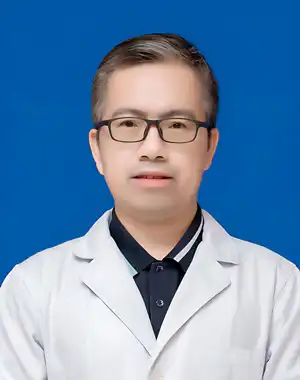
Liu Jun (Chief Physician of Traditional Chinese Medicine, Professor)
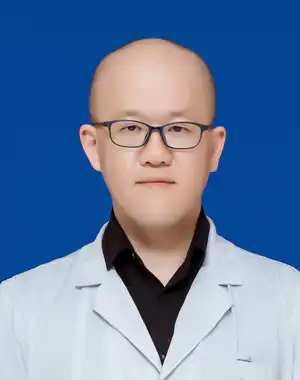
Pan Yucheng (Attending Physician, Doctor of Medicine)
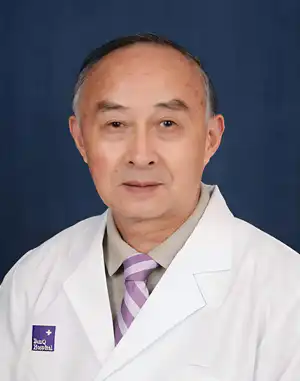
Hu Lie (Chief Physician, Professor, Doctoral Supervisor)
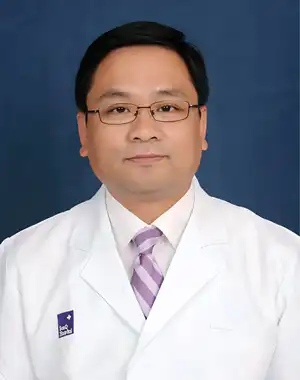
Wang Zhongshan (Chief Physician, Associate Professor)
Scope of treatment
Internal Medicine of Traditional Chinese Medicine: diseases of the spleen and stomach, dampness and phlegm, chronic diseases of the three highs, insomnia and anxiety, long-term cough due to lung deficiency, recurrent colds, easy fatigue due to physical weakness, deficiency of qi and blood.
Gynecology of Traditional Chinese Medicine: irregular menstruation, dysmenorrhea with cold uterus, polycystic ovary syndrome, menopausal syndrome, postpartum physical weakness, endocrine disorders.
Acupuncture for Pain: pain in the neck, shoulders, lower back, and legs, cervical spondylosis, lumbar spondylosis, frozen shoulder, joint degeneration, migraine, facial paralysis, meridian blockage and strain.
Orthopedics and Traumatology of Traditional Chinese Medicine: muscle strain, stiff fascia, postural imbalance, cold and damp joint pain.
Sub-healthy State Prevention and Treatment: imbalance of the nine constitutions, overuse due to staying up late, lack of energy, accumulation of dampness, physical weakness due to overwork, health preservation and strengthening the foundation.
Traditional Chinese Medicine Regulation for Tumors: postoperative/supportive treatment after radiotherapy/chemotherapy, reducing side effects, enhancing immunity, and preventing recurrence.
Special External Treatments: three-seven-three-nine herbal patches, moxibustion therapy, gua sha and cupping therapy, ear acupoint regulation, and acupoint embedding.
Seasonal Health Preservation: personalized herbal prescriptions, dietary therapy, and guidance on seasonal routines for health preservation.
Core technology
1. Traditional Chinese medicine focuses on regulating the organs and strengthening the body.
Core techniques: Precise combination of pure Chinese herbal decoctions, ready-to-use granules, and authentic medicinal herbs, covering diseases of the spleen and stomach, chronic internal diseases, gynecological disorders, etc. Treatment based on the differentiation of syndromes according to the Six Meridian Systems, suitable for various constitutions.
Key areas: Diseases of the spleen and stomach (chronic gastritis, indigestion, etc.), chronic internal diseases (hypertension, hyperlipidemia, etc.), gynecological disorders (menstrual issues, cold uterus, etc.), achieving treatment based on syndrome differentiation and addressing the root cause.
2. Non-invasive therapy system of acupuncture and meridian channels.
Integrating traditional filiform acupuncture, intangible cultural heritage acupuncture, Dong’s extraordinary acupoints, electroacupuncture, etc., to accurately regulate the meridians, promote qi circulation and blood flow, suitable for neck, shoulder, back, and leg pain, insomnia, endocrine disorders, etc.
Special techniques: Acupoint embedding, heat-sensitive moxibustion, Du meridian fire dragon moxibustion, non-invasive and free of side effects, suitable for all populations.
3. Ancient moxibustion and external treatment system.
Utilizing techniques such as heat-sensitive moxibustion, suspended moxibustion, ginger-separated moxibustion, to warm the meridians, dispel cold and dampness, tonify yang and strengthen the body, covering scenarios of cold and dampness, yang deficiency, postpartum care, etc.
4. Traditional Chinese medicine external treatment and health preservation system.
Including Chinese herbal fumigation, acupoint application (summer heat-clearing patches, winter-warming patches), tuina massage, myofascial release, achieving non-invasive/minimally invasive therapy.
Preventive treatment and health preservation: Constitution identification, customized seasonal herbal plasters, dietary therapy guidance, establishing comprehensive follow-up management.
Successful case
Acupuncture + ear acupoint therapy for severe insomnia and anxiety
Patient: 45 years old, long-term difficulty falling asleep, frequent dreams and easy awakening, accompanied by irritability and anxiety, dependent on sleeping pills, relapse upon discontinuation.
Treatment: Using meridian differentiation acupuncture + ear acupoint pressing to soothe the liver and calm the mind, combined with nourishing yin and calming the spirit herbal medicine.
Outcome: Freed from dependence on sleeping pills, significantly improved sleep quality, stable emotions, and restored energy.
Traditional Chinese medicine treatment for menopausal syndrome
Patient: 50-year-old female, experiencing hot flashes, night sweats, irritability, and refusing hormone therapy.
Treatment: Diagnosed as liver and kidney yin deficiency, liver qi stagnation, prescribed blood-nourishing and liver-soothing, kidney-tonifying and yin-nourishing herbal medicine, combined with moxibustion for warming and nourishing.
Outcome: Hot flashes and night sweats disappeared, stable emotions, improved menstrual irregularities, and returned to normal life.
Acupuncture treatment for lumbar disc herniation
Patient: 42 years old, with long-term lumbar muscle strain, lumbar degeneration, significant lower back pain after prolonged sitting, dependent on painkillers.
Treatment: Using acupuncture to unblock meridians, release fascia, combined with infrared therapy, and simultaneously adjusting body posture.
Outcome: Lower back pain completely relieved, posture restored, no need for long-term use of painkillers, no recurrence during follow-up.
Radiology
Key disciplines in clinical specialty cultivation in Jiangsu Province, key medical specialties in Nanjing City, national standardized unit for radiological quality control, core unit of Jiangsu Imaging Quality Control Alliance, Nanjing Imaging Diagnosis Center, teaching base for master’s and doctoral programs at Nanjing Medical University, hospital-wide multidisciplinary MDT imaging support center, cross-strait imaging medical cooperation platform, and the Yangtze River Delta comprehensive imaging consultation center for difficult systemic diseases.
Directorial team: Leading authority in the field of imaging in Jiangsu Province, specializing in imaging diagnosis for over 30 years, proficient in precise staging of systemic tumor imaging, neurovascular imaging, abdominal hepatic biliary urinary imaging, musculoskeletal imaging, cardiovascular large vessel imaging, and differential diagnosis of rare and difficult imaging cases.
Key backbone teams in sub-specialties: Neuroimaging, thoracic imaging, abdominal-pelvic imaging, musculoskeletal imaging, cardiovascular imaging, interventional imaging, ultrasound imaging, nuclear medicine PET imaging, and AI imaging analysis physicians are fully equipped; an ample team of master’s and doctoral degree holders, supported by imaging technicians, equipment engineers, and records quality control officers, ensuring a comprehensive hospital-wide imaging quality control system.
Scope of treatment
Imaging of the chest: pulmonary nodules, lung cancer, pneumonia, chronic obstructive pulmonary disease (COPD), mediastinal lesions, chest wall, pulmonary embolism.
Imaging of the abdomen and pelvis: liver, gallbladder, pancreas, spleen, kidneys, gastrointestinal tract, urinary system, uterus, ovaries, prostate, retroperitoneal lesions.
Imaging of the nervous system, head, skull, and spine: cerebral infarction, intracerebral hemorrhage, brain tumors, intracranial aneurysms, spinal cord lesions, vascular malformations of the brain.
Imaging of bones, joints, and muscles: fractures, joint degeneration, meniscus and ligament injuries, bone tumors, scoliosis, soft tissue lesions.
Imaging of the cardiovascular system and major blood vessels: coronary artery plaques, aortic dissection/aneurysm, pulmonary embolism, systemic arterial and venous vascular diseases.
Imaging of the head, neck, and sensory organs: thyroid, cervical lymph nodes, pharynx, nasal cavity, orbital and inner ear lesions.
Breast imaging: breast masses, microcalcifications, breast tumor screening with BI-RADS classification.
Imaging of systemic tumors: early screening for tumors, differentiation between benign and malignant tumors, staging of systemic tumors, metastasis evaluation, treatment follow-up, recurrence monitoring.
Nuclear medicine whole-body imaging: PET-CT for whole-body tumor metabolic screening, identification of unknown primary cancer sources.
Emergency imaging: trauma, intracranial hemorrhage, aortic emergencies, one-stop rapid imaging diagnosis for acute abdominal conditions.
Core technology
1. Full modality high-definition imaging diagnostic technology (standard configuration for both hospitals)
Core technology fully covers whole-body spiral CT, 1mm thin-layer scanning, three-dimensional post-processing, functional imaging, accurately completing comprehensive system lesion screening and qualitative analysis; including vascular CTA, organ-enhanced scanning, three-dimensional reconstruction, as well as conducting DR, molybdenum target, ultrasound examinations, including ultrasound elastography, intraoperative ultrasound guidance, meeting the diagnostic needs in all scenarios.
2. Precision tumor imaging throughout the entire cycle technology (core advantage)
Provides support for the entire process of tumor diagnosis and treatment, covering precise analysis of lung nodules, systemic tumor infiltration and lymph node staging, delineation of radiotherapy target areas, assessment of treatment follow-up, and screening for systemic occult metastases, achieving precise control of tumor diagnosis and treatment throughout the entire cycle.
3. AI artificial intelligence-assisted imaging diagnostic system (synchronized for both hospitals)
Deploying a comprehensive medical AI platform, capable of automatically detecting lung nodules, breast microcalcifications, acute cerebral infarction, and other lesions, automatically completing risk scoring, grading, and comparing new and old lesions, reducing misdiagnosis and missed diagnosis rates, and improving diagnostic efficiency.
4. Intraoperative imaging navigation and interventional imaging support (special feature of the Nanjing General Hospital)
The hybrid operating room can achieve real-time DSA intraoperative angiography, surgical navigation, accurately locating lesions in the liver, gallbladder, pancreas, cardiovascular system, etc.; also providing interventional radiology path planning, CT/ultrasound-guided biopsy, supporting various surgeries and interventional treatments.
5. Precision diagnosis of cardiovascular large vessel imaging (core advantage of Nanjing)
Conducting coronary artery, aorta, and pulmonary artery CTA examinations, accurately identifying coronary artery stenosis, aortic dissection, pulmonary embolism, and other lesions, providing precise imaging support for the diagnosis and treatment of cardiovascular diseases.
6. Fine diagnosis of neurovascular imaging
Accurately detecting lesions such as acute cerebral infarction, cerebral hemorrhage, brain tumors, cerebral vascular malformations, while evaluating cerebral small vessel disease, brain atrophy, providing precise imaging basis for the diagnosis and treatment of neurology and neurosurgery.
Successful case
Whole-body PET-CT traces the origin of hidden tumors
Patient condition: Multiple enlarged lymph nodes throughout the body, elevated tumor markers, primary lesion cannot be located by conventional CT/MRI.
Diagnosis and treatment process: Using PET-CT for whole-body metabolic imaging, relying on the high metabolic characteristics of tumors, accurately detects tiny primary tumors in the throat, clarifies the extent of systemic metastasis and staging.
Treatment effect: Successfully identifies the primary lesion, provides precise basis for formulating curative treatment plans for tumors, avoids blind treatment, significantly improves diagnostic and treatment efficiency.
One-stop imaging + interventional treatment for acute ischemic stroke
Patient condition: Sudden hemiplegia and aphasia, admitted to the emergency department.
Imaging diagnosis and treatment: Rapid completion of head CT, brain vascular CTA, DWI sequence imaging, accurately locates the site of vascular occlusion and ischemic range.
Interventional treatment: Balloon dilatation guided by DSA to open the occluded blood vessel, simultaneous thrombolysis, stent implantation, rapidly restore blood supply, buy time for subsequent treatment.
AI precise assessment of ground-glass lung nodules
Patient condition: Discovered an 8mm ground-glass nodule during a physical examination, difficulty in determining benign or malignant nature.
Imaging diagnosis and treatment: Thin-section CT scan + AI intelligent analysis, combined with pathological biopsy, accurately determines the nature of the nodule, avoids unnecessary surgery, and formulates personalized follow-up plans to reduce recurrence rate.