I. Advantages of Public Hospitals and Common Problems for International Patients
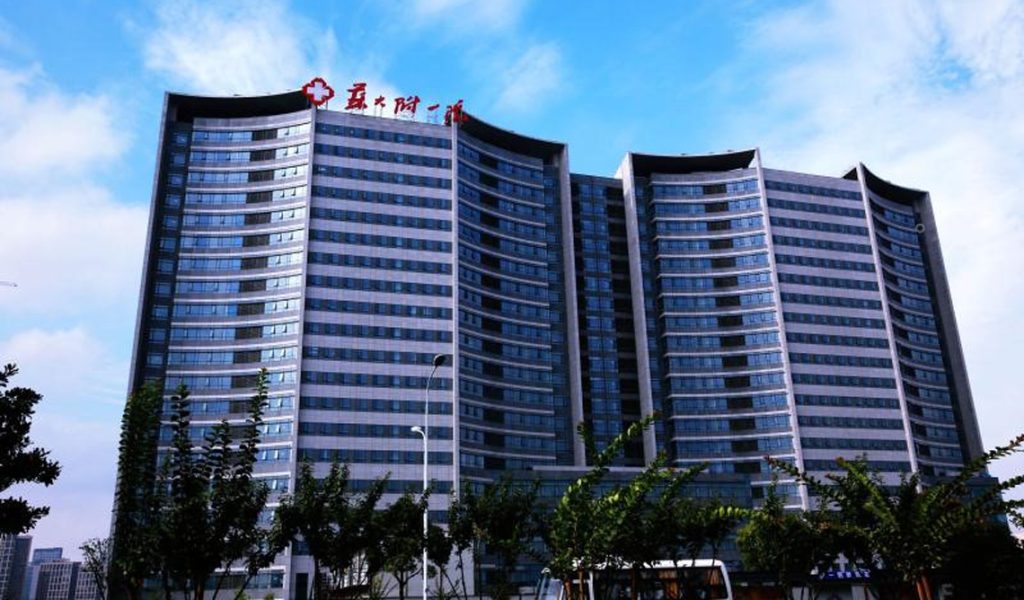
When seeking medical treatment in China, public hospitals indeed have a significant price advantage, with overall costs much lower than in the United States. However, international patients often face challenges such as long waiting times, communication difficulties, insufficient privacy protection, and mismatched services when visiting good public hospitals in developed Chinese cities. Many believe that ‘finding a translator can solve everything,’ but the unique nature of medical scenarios means that ordinary translators cannot cover all risks.
II. Which Patients Are Suitable for Public Hospitals?
1. Patients Suitable for Self-Service at Public Hospitals
• Fluent in Chinese, able to independently describe their condition and understand doctor’s instructions
• Simple conditions, with basic Chinese knowledge, requiring only basic consultations, prescriptions, and routine check-ups.
• Highly price-sensitive, willing to accept long waiting times at good public hospitals.
• Do not mind crowded public hospital environments, multi-bed wards, and shared facilities
• No need for English medical documents, no international insurance reimbursement needs
• Able to accept several months of waiting for a senior specialist appointment, or accept a randomly assigned doctor.
This type of patient has simple medical needs and no language barriers, and can receive stable basic medical services at public hospitals.
2. Patients Suitable for Bringing an Ordinary Translator to Public Hospitals
• Do not speak Chinese or have weak Chinese skills, requiring assistance with daily communication
• Only undergoing low-cooperation, non-invasive examinations such as blood draws and ultrasounds
• No surgery, no anesthesia, no high-risk procedures
• Low requirements for medical experience and privacy environment
However, it must be clear: ordinary translators cannot resolve core medical risks. According to industry data, the accuracy rate of non-professional translators for medical terminology is only 60%-70%, leading to potential misunderstandings. Furthermore, all translators are prohibited from entering medical restricted areas such as operating rooms, CT rooms, gastrointestinal endoscopy rooms, and radiology rooms. In the most critical stages requiring precise communication, patients must face the doctor alone.
III. Regarding the English Proficiency of Doctors in Public Hospitals
To be fair, doctors in domestic public hospitals generally have high academic qualifications, and some young doctors possess basic English communication skills. However, the service orientation of public hospitals is to serve domestic citizens, and it is impossible to consistently match English-fluent specialists for international patients.
Awkward situations often arise in reality:
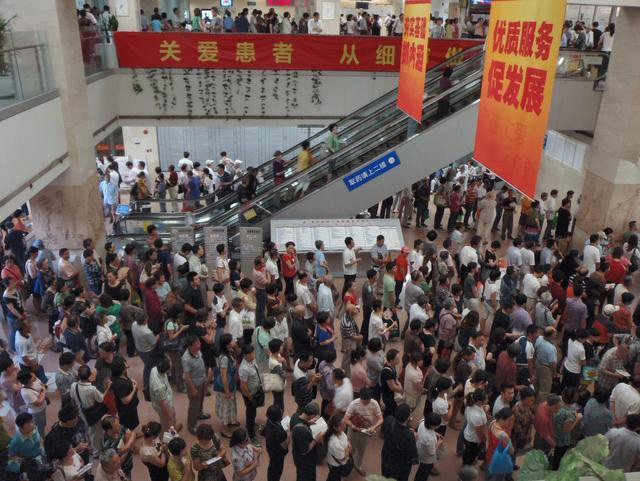
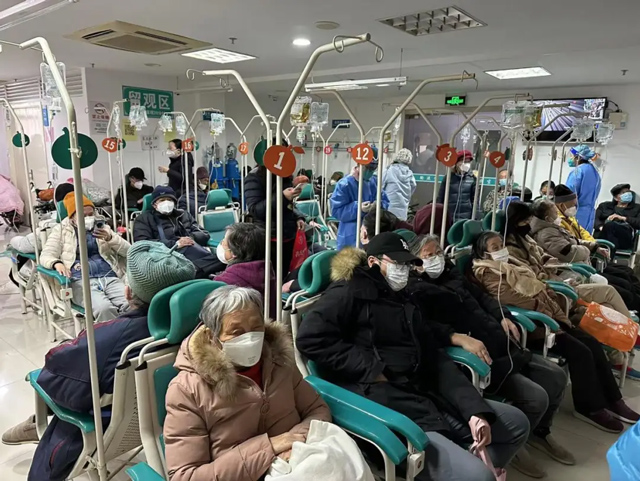
• After queuing for 5-6 hours (you must wait in the hospital, and if your turn comes and you are not present, your appointment will be voided), you finally get to see the doctor, but the doctor does not speak English or speaks it poorly, making in-depth communication impossible and preventing them from treating you. If the hospital has an international department, the doctor will refer you to the international department for further assistance. The international department has medical translators and English-speaking doctors, and the prices are 1-2 times higher than regular outpatient services. Most cities have a few public hospitals with international departments. If there is no international department, you will likely be turned away.
IV. Patients Absolutely Not Recommended to Go to Public Hospitals Without International Departments, Even With a Translator
1. Patients requiring surgery or anesthesia. Allergies before anesthesia, underlying conditions, and bodily reactions must be communicated with 100% accuracy. Translators cannot enter the operating room, and any information error can directly lead to safety risks.
2. Examinations and surgeries requiring high cooperation
For procedures like gastrointestinal endoscopy, preparation begins the night before. It is rare for translators to be available late at night to assist with communication with medical staff. Insufficient preparation can lead to unclear results. Especially in the operating room, if the translator cannot enter, the doctor cannot communicate with you, and the patient cannot understand, leading to excessive anxiety, resulting in examination failure and increased pain; if instructions like ‘inhale, hold your breath’ during X-ray or CT scans are not followed correctly, the images will be invalidated, requiring repeat examinations and increasing radiation exposure.
Particularly for ophthalmology procedures like myopia/refractive surgery, which involve local anesthesia, the patient must highly cooperate by moving their eyeballs during the procedure (look left, look right, look up). If there is a language barrier, the surgery cannot proceed normally and will directly affect safety and outcomes.
3. Patients undergoing diagnosis and treatment involving private body parts
For procedures such as plastic surgery, breast examinations, and body assessments, the presence of a translator severely infringes on privacy, causing embarrassment and not meeting international medical privacy standards.
4. Patients who need to accurately express discomfort after surgery
Minor deviations in describing subtle sensations like wound pain, dizziness, nausea, or chest tightness can lead to misjudgment by the doctor and delay the handling of abnormal situations.
5. Patients requiring English medical documents for insurance reimbursement
Ordinary public hospitals cannot provide English invoices, diagnosis reports, or pathology reports, making insurance claims upon return to the home country usually difficult.
6. Patients unable to accept long waiting times for specialist appointments
In top-tier public hospitals in developed cities, it is almost impossible for foreign patients to secure appointments with popular specialists. There are plenty of people in China competing for these slots. The crowded environment and long waiting times within the hospital are very unfriendly to international patients seeking efficiency.
V. Summary
Public hospitals are a suitable choice for patients who are fluent in Chinese, have simple conditions, are price-sensitive, and can accept waiting times and ordinary environments.
However, for patients undergoing surgery, anesthesia, endoscopy, imaging, local anesthesia eye surgery, private examinations, or post-operative recovery, or those who require precise English communication, rapid scheduling, insurance reimbursement, or privacy protection, there are significant risks even with a translator, making them completely unsuitable for ordinary public hospitals.
These patients are more suited to choose the international departments of public hospitals (1-2 times the price of regular outpatient services) or JCI-accredited high-end foreign-oriented hospitals (1.5-2 times the price of regular outpatient services): Doctors communicate directly in English throughout the process, with an accuracy rate close to 100%; JCI international accreditation standards ensure dual protection of privacy and safety; direct billing for international commercial insurance, complete set of English medical documents; private high-end single rooms, rapid scheduling of treatment, fundamentally solving all medical pain points for international patients.
Learn More
• Fenglin International – China Medical Tourism Service Provider
Popular Consultation Items for Medical Treatment in China
This website only provides information consultation and itinerary arrangement services for medical tourism. It does not provide any medical diagnosis, treatment advice, or medical services. All medical decisions are made jointly by the patient and the doctors at the partner hospital.