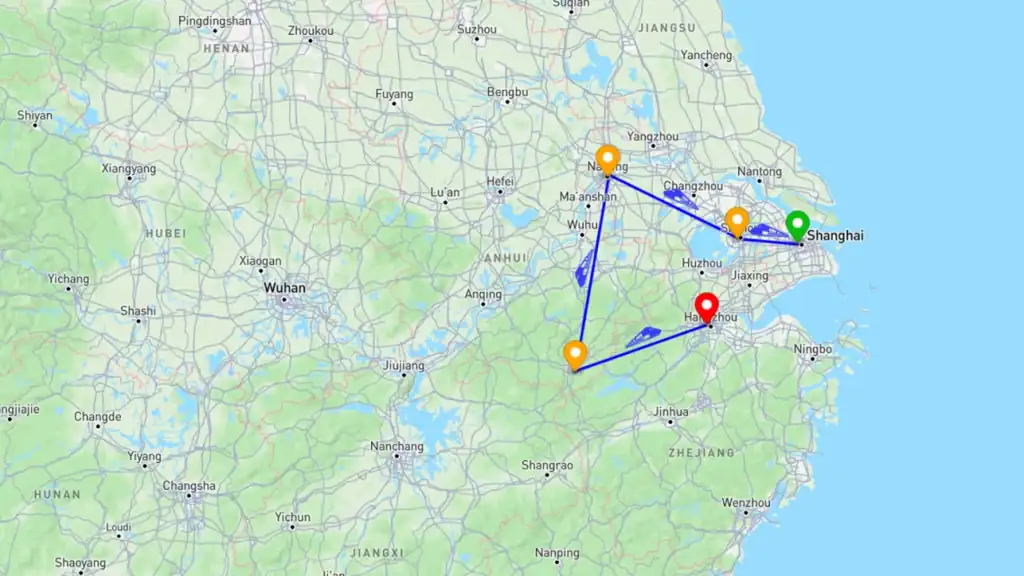
Shanghai-Suzhou-Nanjing-Huangshan-Hangzhou 10 Days Tour

The Bund, Classical Gardens of Suzhou, Tiger Hill, Tongli Ancient Town,Ming City Wall, Huangshan Scenic Area,Hongcun Village,West Lake

Shanghai-Suzhou-Nanjing-Huangshan-Hangzhou 10 Days Tour

Do you have a week? Want to experience the complete Jiangnan story? While many tourists flock to the “Golden Triangle” of Shanghai, Suzhou, and Hangzhou, this exclusive 10-day itinerary fills in the “missing link”——Nanjing, the ancient capital of ten dynasties.

Why choose this Shanghai-Suzhou-Nanjing-Huangshan-Hangzhou route?
A Complete “Historical Tapestry”: You will not only admire modern skylines and exquisite gardens but also touch the roots of Chinese civilization in Nanjing. This city is both the “Capital of Ten Dynasties” and a “witness to modern history,” adding historical depth to your journey and elevating sightseeing into cultural exploration.

Complete “Jiangnan Charm”: Experience the full spectrum of Jiangnan beauty – from the prosperity of Shanghai’s Bund to the elegance of Suzhou’s classical gardens, from the shimmering West Lake in Hangzhou to the unique harmony of Nanjing’s “mountains, lakes, cities, and forests.”

A Complete “Convenient Experience”: Say goodbye to long journeys. Relying on China’s efficient high-speed rail network, you can travel between these iconic cities in 1-2 hours, maximizing your sightseeing time while enjoying the comfort of modern transportation.

Through this tour, you can experience the "must-see and must-do"

Medical Tourism in China | Suzhou Fenglin International

Itinerary Overview

Medical Tourism in China | Suzhou Fenglin International

Daily Itinerary

Hello! Welcome to Shanghai, a vibrant and charming international metropolis! As a model of cultural fusion between East and West, Shanghai has nurtured a unique “Haipai” (Shanghai-style) culture. Upon your arrival at Shanghai Airport or Train Station, a private car will pick you up and transfer you to your selected downtown hotel for check-in. The rest of the day is yours to enjoy – whether it’s adjusting to the time difference, taking a leisurely stroll through the romantic plane tree-lined streets, or experiencing the urban nightlife on Nanjing Road Pedestrian Street or the Bund.

Shanghai Transportation Tips:
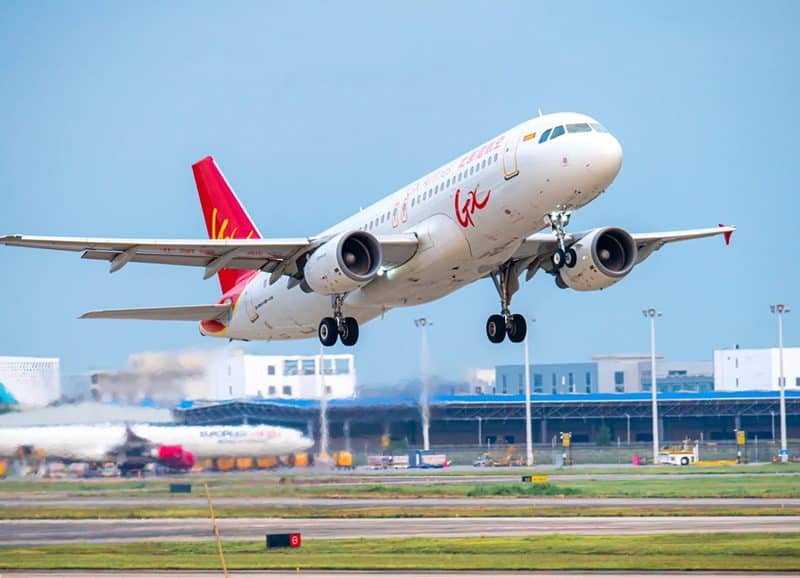
Shanghai boasts a comprehensive transportation network, easily accessible by air or high-speed rail. As a major transportation hub, Shanghai has Pudong International Airport and Hongqiao International Airport, connecting numerous domestic and international routes. You can fly directly to Shanghai from major domestic cities such as Beijing, Xi’an, Guangzhou, Chengdu, Guilin, Kunming, Lijiang, and Lhasa. Additionally, traveling to Shanghai by high-speed rail is very convenient – it takes about 4.5 to 6 hours from Beijing, 6 to 7.5 hours from Xi’an, 2.5 to 3 hours from Huangshan, 7 to 8.5 hours from Guangzhou, only half an hour from Suzhou, about 45 minutes from Hangzhou, and 3.5 to 4.5 hours from Wuhan, making your journey effortless.

Medical Tourism in China | Suzhou Fenglin International

Airport Pick-up, Shanghai

Medical Tourism in China | Suzhou Fenglin International

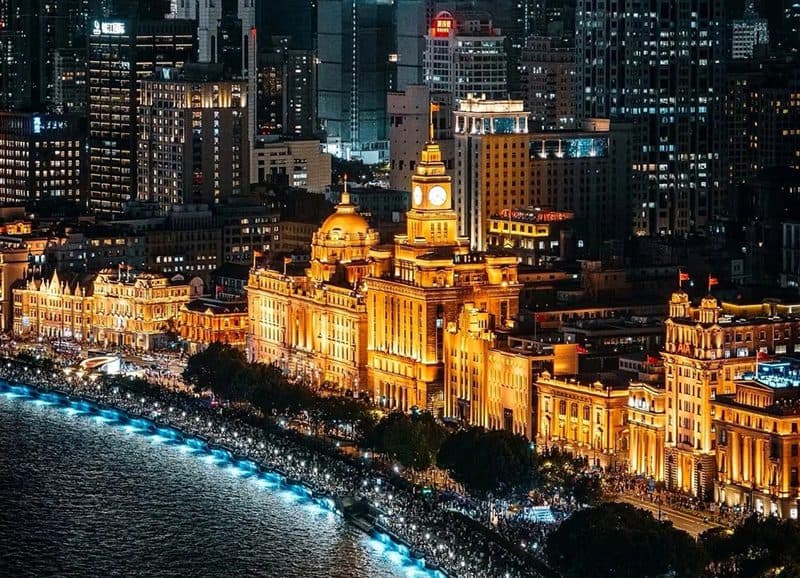
The Bund, Shanghai

Today, you will have a full day to experience the perfect blend of East and West in the “Paris of the East.” Explore dazzling museums, elegant classical gardens, futuristic skyscrapers, and stunning architectural masterpieces – all gathered in this vibrant metropolis.

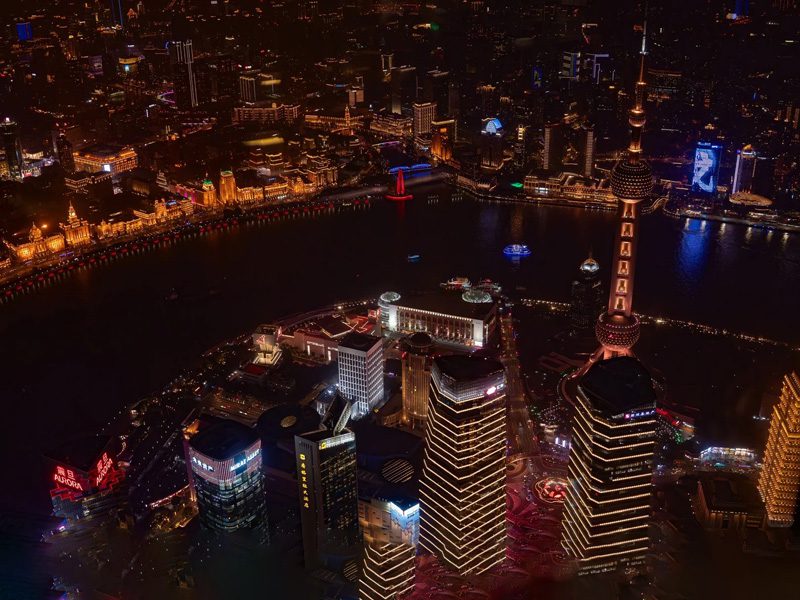
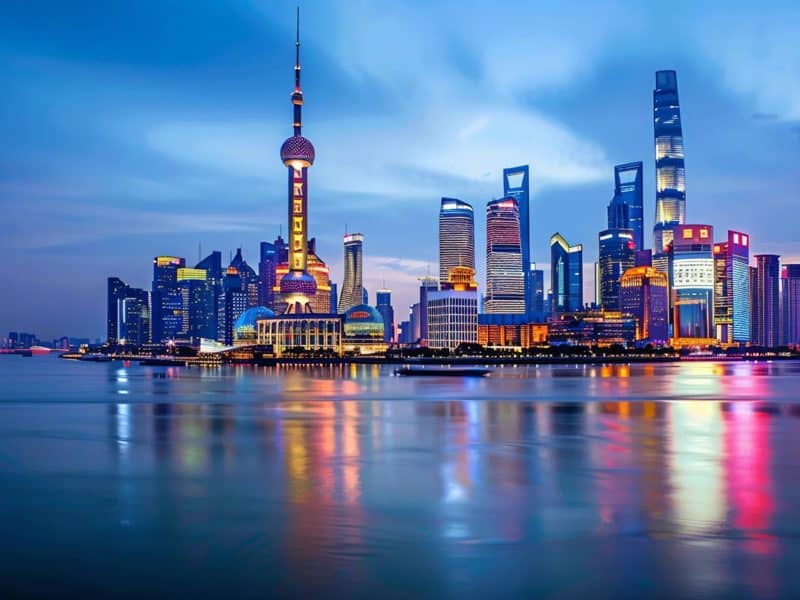
First, head to the Lujiazui financial district in Pudong, where three iconic skyscrapers stand tall. The Shanghai Tower, China’s tallest and the world’s second-tallest building, soars 632 meters into the sky with its unique 120-degree spiral ascent. Take the world’s fastest elevator (64 km/h) to the “Top of Shanghai” Observatory on the 118th floor, 546 meters above the ground, in just tens of seconds. From here, you can enjoy a 360-degree panoramic view of the entire city, with the majestic Jin Mao Tower and Shanghai World Financial Center below.

Next, visit the Shanghai Museum East Wing, one of the world’s top museums of ancient Chinese art. Its modern, streamlined design is inspired by traditional Chinese jade discs. The museum features permanent exhibition halls for bronzes, ceramics, calligraphy, paintings, jade, furniture, coins, and sculptures. Don’t miss the bronze collection’s treasure – the Da Ke Ding, dating back about 3,000 years, displayed alongside the Zi Long Ding and Jin Hou Su Bell, a rare spectacle. Also worth seeing is the Sword of Goujian, considered the pinnacle of ancient casting craftsmanship.

Afterward, proceed to Xintiandi, a bustling and fashionable district that seamlessly blends Shikumen architecture with modern urban style. Here, you can gain a comprehensive understanding of the local unique Shikumen architecture while enjoying tempting dining and shopping options. This upscale entertainment and shopping area, modeled after traditional “nongtang” residences, is Shanghai’s pioneering project demonstrating the commercial viability of historic building preservation.

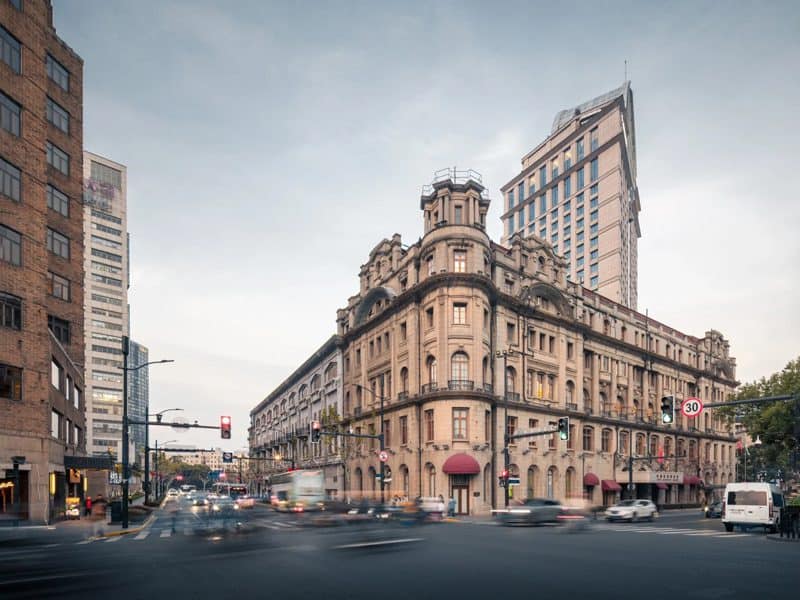
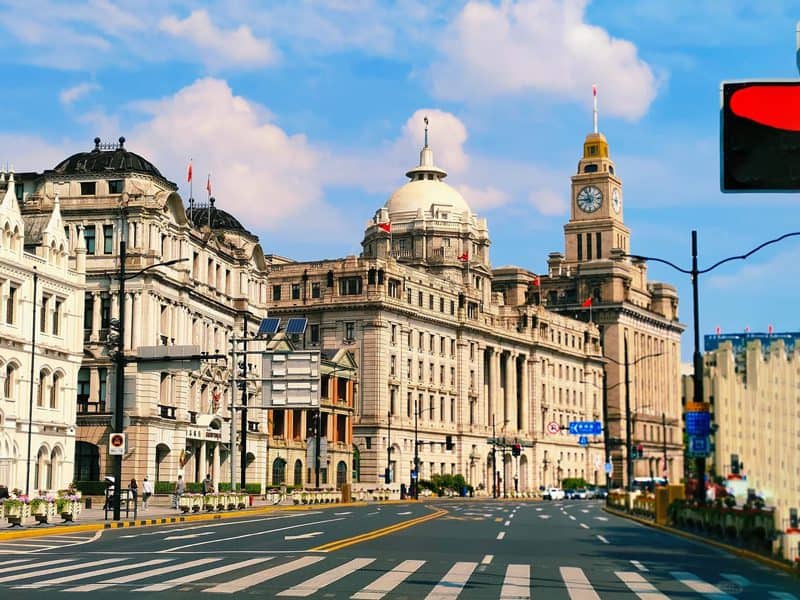
In the evening, stroll along Nanjing Road Pedestrian Street, lined with global brand stores, cafes, and historic buildings. Finally, arrive at the Bund, Shanghai’s premier must-visit landmark. Known as the “Exhibition of International Architecture,” it features 52 buildings in various styles, including Gothic, Baroque, and Art Deco. From here, gaze across the river at the magnificent skyline of Pudong.

Warm Reminder:
The Shanghai Museum East Wing is closed every Monday. If your itinerary falls on a Monday, you will visit the Shanghai Museum (People’s Square Branch) instead. If the People’s Square Branch is also unavailable, we will arrange a visit to another characteristic city attraction as a substitute.

Medical Tourism in China | Suzhou Fenglin International

Shanghai Tower, Shanghai

Medical Tourism in China | Suzhou Fenglin International

The Bund, Shanghai

After breakfast, drive to Suzhou (approx. 1-hour drive). Welcome to Suzhou, a city renowned as the “City of Gardens” and the “Venice of the East,” exuding elegant and picturesque Jiangnan charm.Welcome to this historic and cultural city, renowned as the “City of Gardens” and the “Venice of the East,” where elegance and picturesque scenery will accompany your every step.

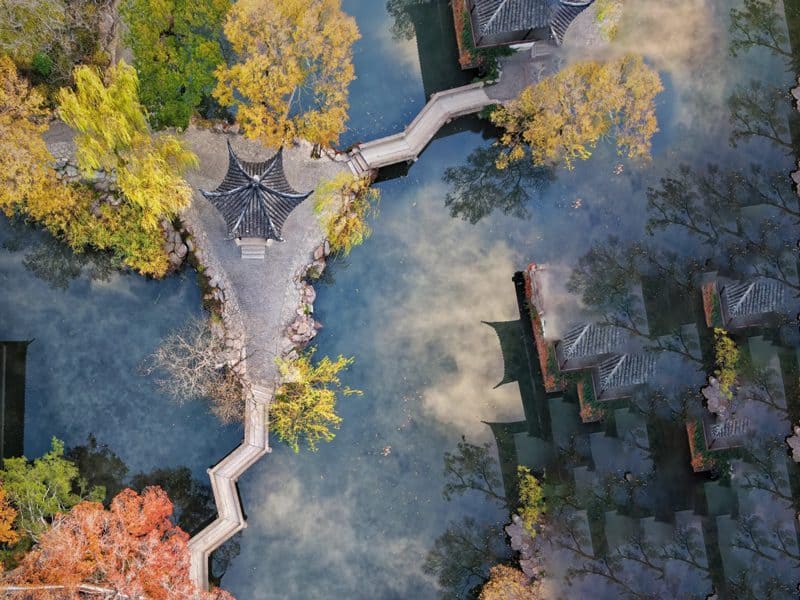
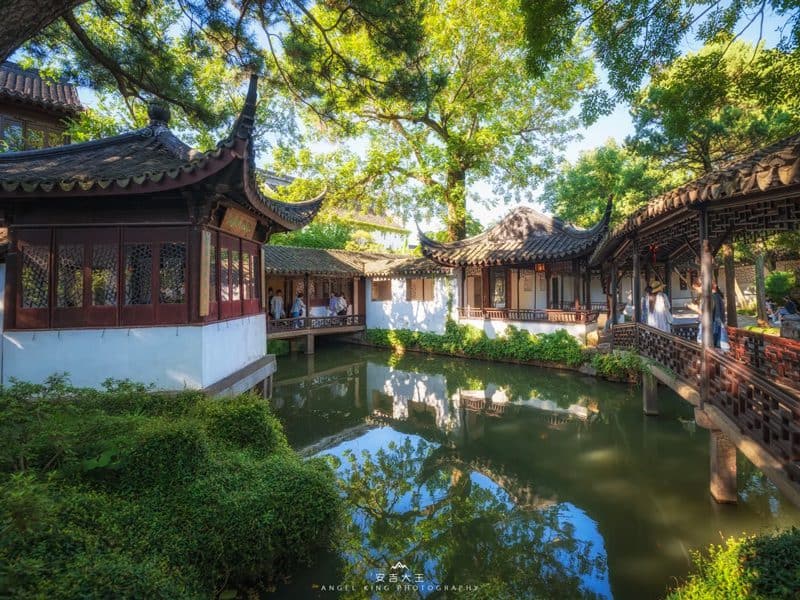
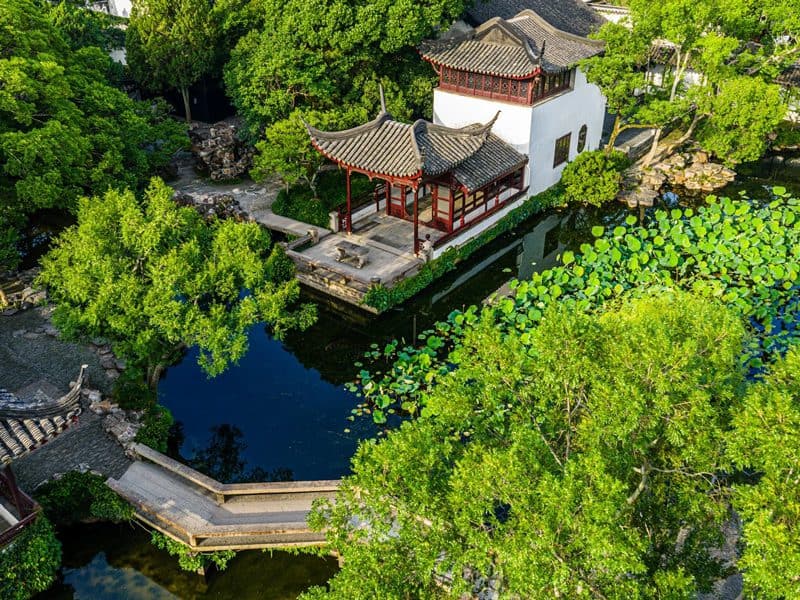
Our first stop is the Suzhou Classical Gardens Museum, offering an overview of the essence of “Suzhou Classical Gardens.” These nine gardens scattered throughout the ancient city collectively form a UNESCO World Heritage site. Afterward, we will visit the Humble Administrator’s Garden, adjacent to the museum. As the largest existing classical garden in Suzhou, it is a masterpiece of Chinese freehand landscape gardening.

The Humble Administrator’s Garden was first built in the fourth year of the Zhengde reign of the Ming Dynasty (1509 AD) and was meticulously crafted by Wang Xianchen, a former imperial censor who returned to his hometown, over sixteen years. The garden’s name is derived from the phrase “the governance of the humble” in Pan Yue’s “Ode to a Quiet Life” from the Western Jin Dynasty, reflecting the garden owner’s aspiration for a reclusive life and a detached attitude towards worldly affairs. The entire garden is divided into three parts: East, Central, and West. The East section is open and spacious, the Central section is the essence, and the West section features exquisite architecture. Water is the core of the garden, with pavilions, towers, rockeries, and flowers built around the pond, creating scenery like a landscape scroll painting. As you wander through, the scenery changes with every step. You will walk through quiet courtyards, admire the meticulously crafted architectural details and magnificent rockeries, and read the poetic inscriptions on the plaques and couplets – they are reflections of the owner’s state of mind. The main hall of the East Garden, “Lanxue Tang” (Orchid Snow Hall), is named after Li Bai’s line “Standing alone between heaven and earth, the clear breeze sprinkles orchid snow,” symbolizing noble character. The main hall of the Central Garden, “Yuanxiang Tang” (Distant Fragrance Hall), is named after Zhou Dunyi’s famous quote from “Ode to the Lotus Flower”: “Its fragrance spreads far and its purity remains, standing tall and pure,” signifying the virtues of a gentleman. Standing at the fan-shaped pavilion “Yu Shui Tong Zuo Xuan” (With Whom to Sit Pavilion), Su Shi’s transcendent poetic sentiment of “With whom to sit? The bright moon and clear breeze are my companions” comes to life. The “Jianshan Lou” (View Mountain Building) evokes the leisure and tranquility of Tao Yuanming’s “Plucking chrysanthemums by the eastern hedge, I gaze at the Southern Mountain afar.”

Tips for Appreciating and Photographing Gardens:

  1. Overall View: First, study the layout map to grasp the overall structure and design concept of the garden.

  2. Micro-Observation: Pay attention to the ingenious use of techniques such as borrowed scenery, contrasting scenery, framed scenery, and hidden scenery.

  3. Appreciate Architecture: Observe the style and layout of the buildings, and how they harmonize with mountains, water, and plants, interpreting their cultural significance.

  4. Savor Poetry and Literature: Quietly read the names of buildings and the couplets on the plaques, and feel the artistic conception and emotions contained within.

  5. Capture the Seasons: Look for classic scenes that showcase the beauty of the garden’s seasonal changes.

  6. Creative Composition: Make good use of the garden’s doors, windows, corridors, and pavilions as frames to capture interesting perspectives and light and shadow.

To explore Suzhou’s profound history of over 2,500 years, we will visit the Suzhou Museum. Designed by the master architect I. M. Pei, this museum is itself an unparalleled work of art. It cleverly blends the traditional white walls and black tiles of Jiangnan with modern geometric lines, continuing the ancient city’s texture while showcasing a unique contemporary aesthetic. Light is the soul of this building – sunlight streams through various window lattices, creating a dynamic interplay of light and shadow on the pure white walls. Wandering through the exhibition halls, you will appreciate the rich collection of Wu regional artifacts and exquisite Suzhou crafts. Among them, the Sword of King Fuchai of Wu, known as the “Number One Sword Under Heaven,” is the museum’s treasure. In addition, the exquisite jade carvings, elegant bamboo carvings, ancient and profound gold bricks, and ingenious clay sculptures are all breathtaking.

Afternoon Itinerary

In the afternoon, we will visit the Lion Grove Garden, where I. M. Pei played as a child, which also planted the initial seeds for his future architectural creations. This garden was built during the Yuan Dynasty’s Zhizheng period (1342 AD) by the Zen master Tianru and has a history longer than the Humble Administrator’s Garden. The garden is named “because it has ten thousand bamboo trees, and beneath the bamboo are many strange rocks resembling Suanni (lions).” Emperor Qianlong, during his six visits to Jiangnan, visited the Lion Grove Garden six times and was particularly fond of the strange rocks. He not only inscribed the plaque “Zhen Qu” (True Delight) but also had replicas built in the Yuanmingyuan Garden in Beijing and the Chengde Summer Resort. Entering this “kingdom of rockeries” built with Taihu stones, you will find yourself in a three-dimensional labyrinth composed of nine winding paths and twenty-one deep caves. The rockeries, reaching up to 7 meters high, form undulating peaks and deep caves. Wandering through them is like venturing into the deep mountains, sometimes climbing high for a panoramic view, sometimes exploring hidden valleys. Pavilions and towers are scattered throughout the garden, each with its own legend. Waterfalls and ancient trees add vitality to this stone forest. This wonderland, blending Zen philosophy and craftsmanship, not only captivated emperors but also forever imprinted itself on the young I. M. Pei’s heart.

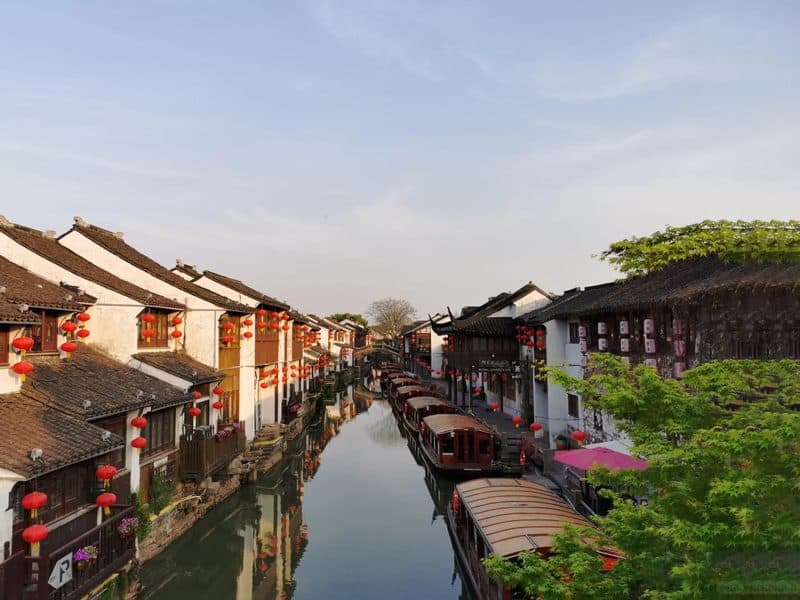
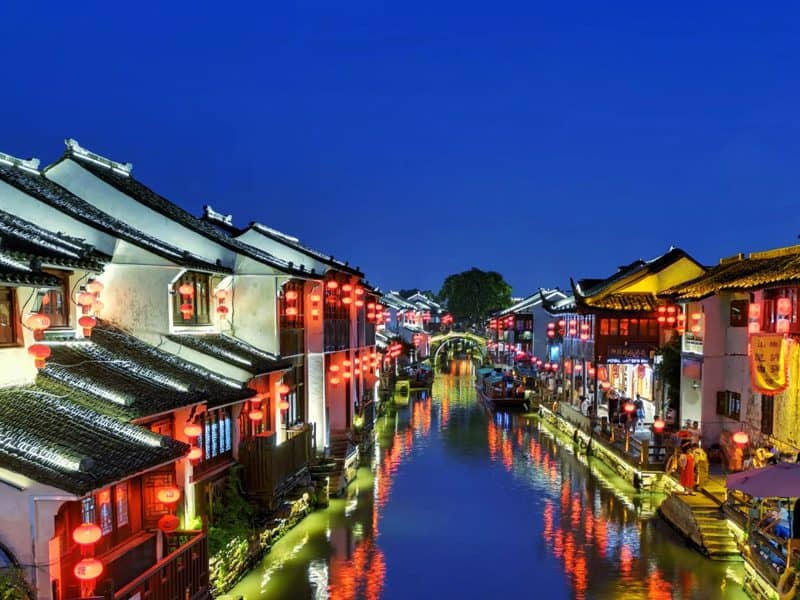
Afterward, we will board a traditional painted boat and slowly cruise along the Pingjiang River for about 30-40 minutes. “When you arrive in Suzhou, every house is by the river,” this water tour will immerse you in Suzhou’s thousand-year-old slow water town life. White walls and black tiles reflect in the water, with small bridges, flowing water, and houses, like a moving ink painting.

Disembarking, we will stroll along Shantang Street, known as the “Number One Famous Street of Gusu.” This thousand-year-old street, initiated by the great Tang Dynasty poet Bai Juyi when he served as the prefect of Suzhou, still retains its “parallel water and land routes, with rivers and streets adjacent” layout. Shops line both sides of the street, with numerous historical sites such as guild halls, ancestral temples, memorial archways, ancient bridges, and residences. You can visit the Bai Juyi Memorial Hall to learn about the deep connection between this “Poetry Demon” and Suzhou. Don’t forget to taste a bowl of authentic Suzhou sweet porridge or a crispy “crab shell crisp” to experience the most local Suzhou flavors on your palate.

Suzhou Night Tour (Optional)
Wangshi Garden Night Garden (19:30-22:00, usually open from mid-March to mid-November)

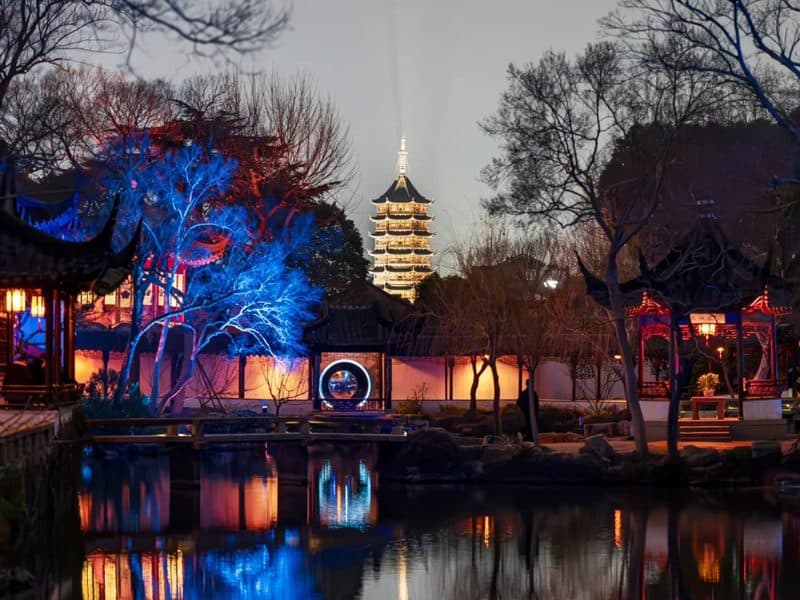
As night falls, the exquisite and delicate Wangshi Garden by day transforms into a vibrant stage for Kunqu opera and Pingtan. Guided by the tour leader, you will move from scene to scene, immersing yourself in the melodious Kunqu opera, the clear tones of Pingtan, the graceful melodies of Jiangnan string music, and the enchanting local dances under the moonlight and lamplight. During intermissions, you can stroll through the garden, experiencing the tranquility and mystery of this classical garden under the night sky, and enjoy a cultural gathering that transcends time.
Medical Tourism in China | Suzhou Fenglin International

Humble Administrator’s Garden, Suzhou

Medical Tourism in China | Suzhou Fenglin International

Shantang Street, Suzhou

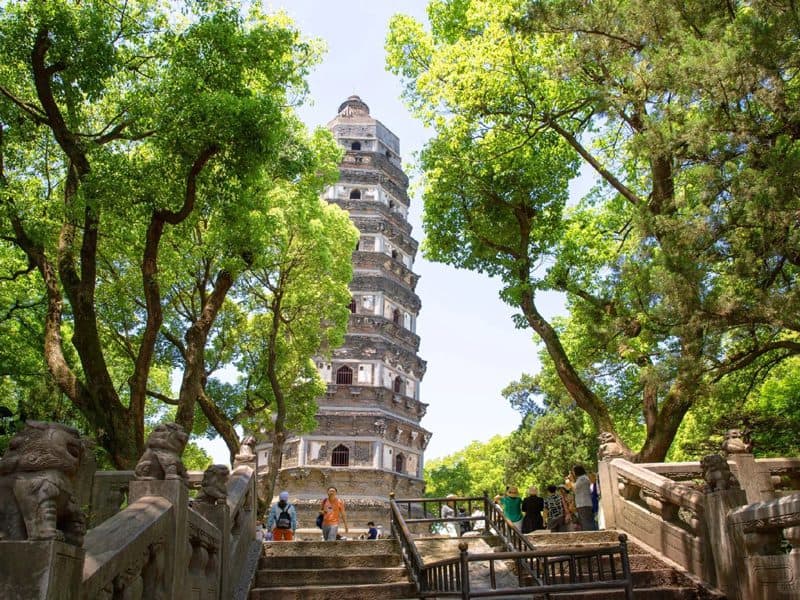
After breakfast, you will visit Suzhou’s iconic attraction – Tiger Hill, known as the “Number One Famous Hill in Wu.” This place has a profound cultural connection with the famous Tang Dynasty poet Bai Juyi. He supervised the dredging of the Shantang River, creating Shantang Street and establishing the poetic waterway transportation route from “Shantang Street to Tiger Hill.” “From the mountain temple road, water and land traffic is frequent. Silver reins pull proud horses, flower boats carry beautiful women,” vividly depicting the prosperity of that era. At Tiger Hill, you will admire the renowned Tiger Hill Pagoda, the oldest brick pagoda in China and the only surviving building from the Five Dynasties period, its architectural style reflecting Tang and Song aesthetics. The Tiger Hill Pagoda is often called the “Leaning Tower of Pisa of China.” You will also explore the mysterious Sword Pool, rumored to be the entrance to King Helü’s tomb, where three thousand swords are buried beneath, as described in the poem: “Strange rocks sit like a thousand monks, a spiritual pool sinks a single sword. The sea faces both sides of the pavilion, the mountain is in the center of the temple.”

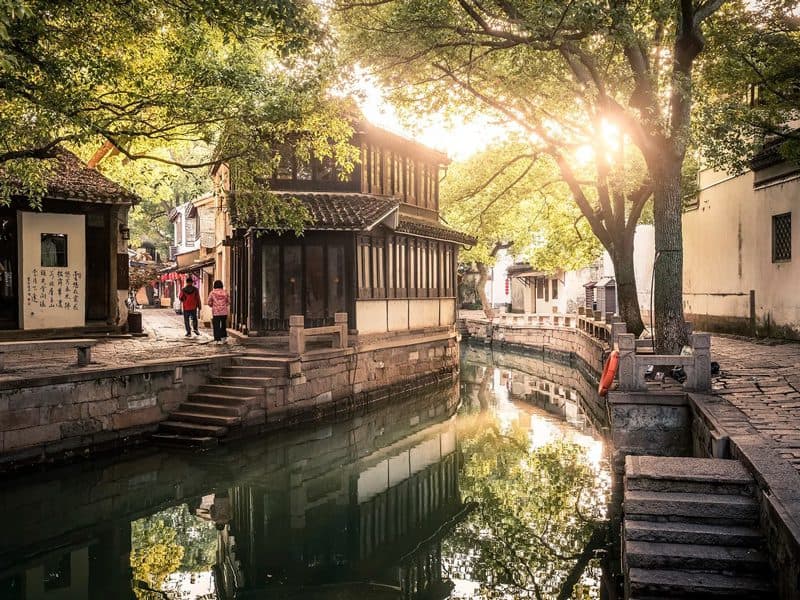
Afterward, you will drive to Tongli Water Town, about 28 kilometers (approx. 40 minutes drive) from Tiger Hill. Tongli has a history of over a thousand years and is often called the “Venice of the East.” Upon arrival, you will discover the unique characteristics of Tongli Ancient Town, whose geographical layout resembles the Chinese character “川” (chuan), with fifteen clear rivers dividing the town into seven small islands. Forty-nine ancient bridges cleverly connect these islands, forming a breathtaking water town landscape.
In this water town, every household lives by the water, and boats are the primary means of transportation for residents. Strolling through Tongli, you can truly experience the poetic and picturesque harmony of “small bridges, flowing water, and houses,” appreciating the essence of the Jiangnan water towns. Leisurely walk across ancient bridges, watch the clear water ripple, and flow through the town, naturally slowing down your pace and immersing yourself in this picturesque rural scenery. Be sure to visit Tuisi Garden, a classical garden included in the UNESCO World Heritage list, named after its owner Ren Lantian. Although small, the garden is a masterpiece of Jiangnan gardens. It consists of four parallel sections: the residential area, the inner quarters, the courtyard, and the garden. Entering this tranquil garden is like entering a paradise, where natural beauty and harmonious layout are refreshing.
Medical Tourism in China | Suzhou Fenglin International

Tiger Hill Pagoda, Suzhou

Medical Tourism in China | Suzhou Fenglin International

Tongli Ancient Town, Suzhou

Morning, you will drive to Shanghai Railway Station and take a high-speed train to Nanjing (approx. 2-hour journey).

Upon arrival at Nanjing Railway Station, your guide will meet you with a sign and transfer you to your hotel for check-in. After a short rest, you will begin your exploration of the ancient capital, Nanjing.

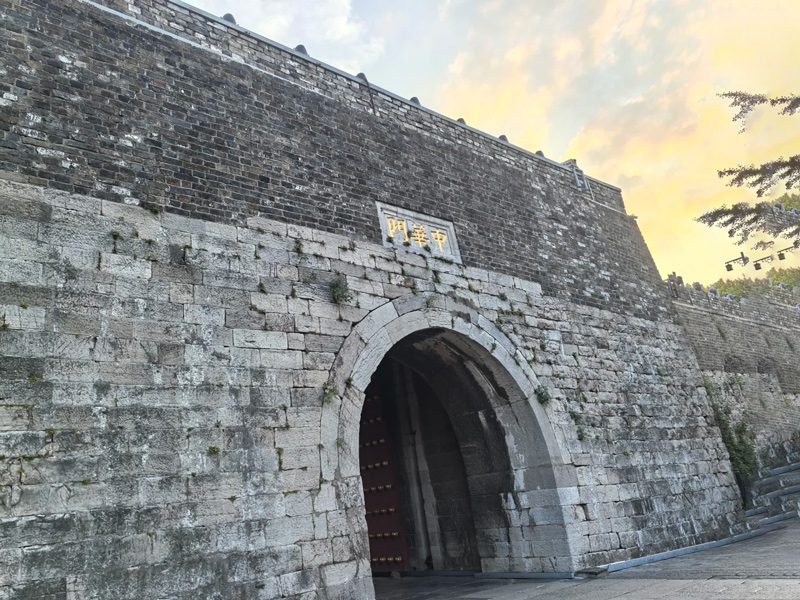
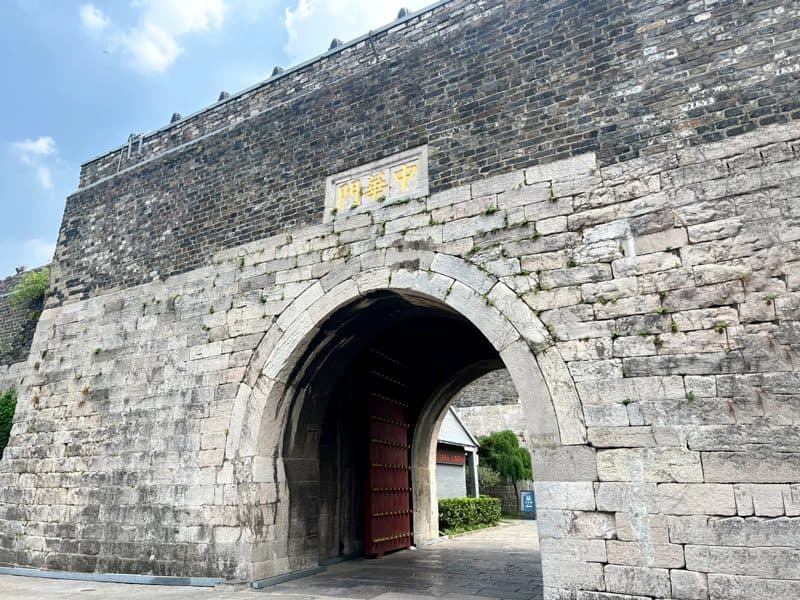
The first stop is **Zhonghua Gate** and the **Ming Dynasty City Wall**. Zhonghua Gate is the largest and best-preserved city gate fortress of the Ming Dynasty, and also the world’s largest existing **瓮城 (Wengcheng – barbican)**. Its unique structure consists of three inner barbicans, four archways, and twenty-seven hidden soldier caves, capable of housing thousands of soldiers and storing supplies. Ascending to the top of the city wall, you can overlook the scenery of the Qinhuai River and the southern part of the ancient city, experiencing the profound heritage of the six dynasties’ capital.

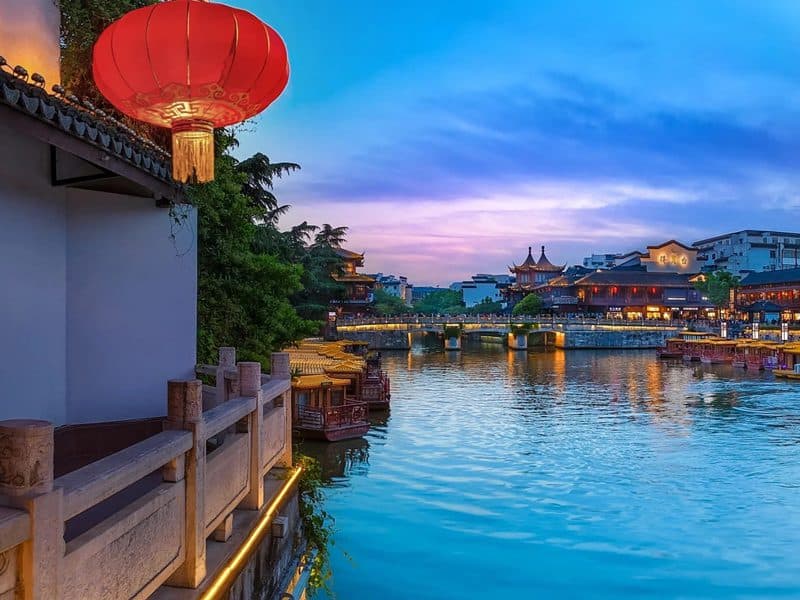
Next, visit the **Confucius Temple – Qinhuai River Scenic Area**, the historical and cultural center of Nanjing. The core attraction, **Confucius Temple**, is one of the earliest temples in China dedicated to Confucius, symbolizing traditional ritual and education. Adjacent is **Jiangnan Gongyuan (China Civil Service Examination Museum)**, the largest examination hall for the imperial examinations in ancient China, where countless scholars once competed for academic success.

Stroll along the riverbank, where red lanterns hang high, traditional buildings are scattered, and local delicacies abound. Stop by the **Qinhuai River** and admire the graceful scenery of the “Mother River.”

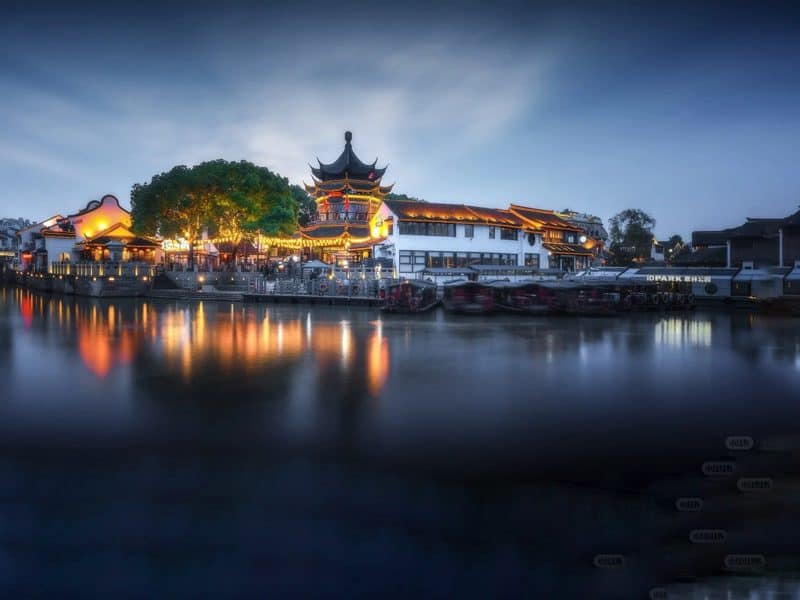
Optional Recommendation: After nightfall, you can choose to take a night cruise on the Qinhuai River (at your own expense). The painted boats slowly glide through the brilliantly lit pavilions, ancient bridges, and waterside scenery, offering a glimpse of Nanjing’s nighttime splendor.

Medical Tourism in China | Suzhou Fenglin International

Zhonghua Gate, Nanjing

Medical Tourism in China | Suzhou Fenglin International

Confucius Temple – Qinhuai River Scenic Area, Nanjing

After breakfast, you will drive to the Sun Yat-sen scenic area to begin a day of exploring Nanjing’s iconic landmarks.

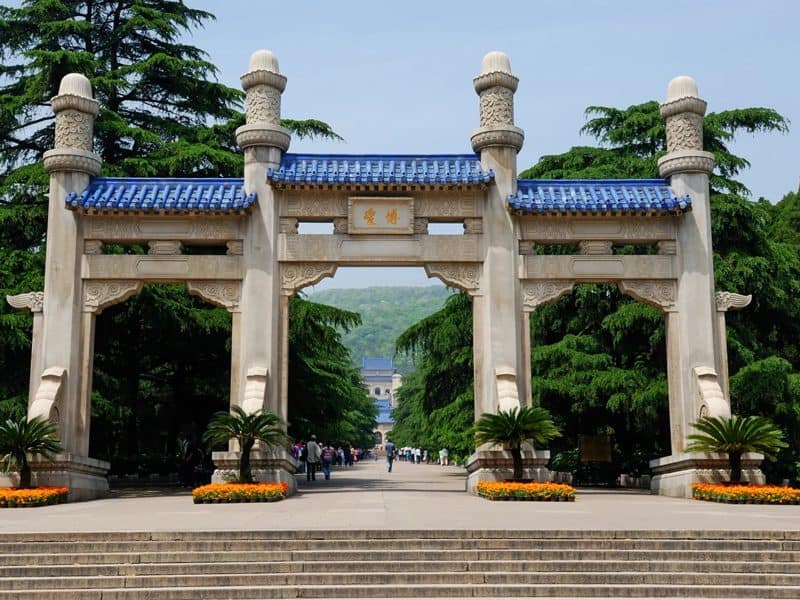
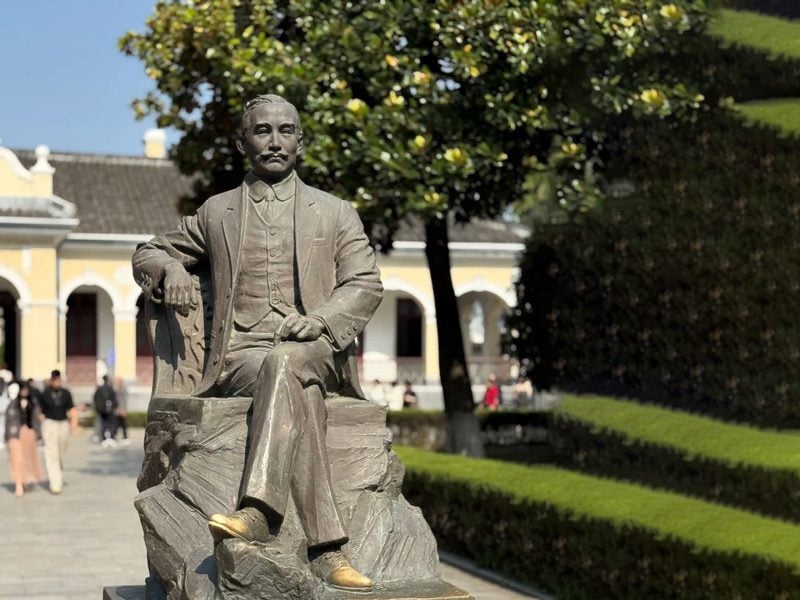
The first visit is to the Sun Yat-sen Mausoleum, the final resting place of Dr. Sun Yat-sen, the founding father of the Republic of China. This magnificent and solemn complex is a masterpiece of Sino-Western architectural art. You will pass through the Bo’ai Archway, proceed along the tomb path, and climb the 392 steps symbolizing Dr. Sun Yat-sen’s lifelong struggles and ideals of governance. Inside the memorial hall lies a marble statue of Dr. Sun Yat-sen, from where you can overlook the verdant Zhongshan Mountain and the panoramic view of Nanjing city.

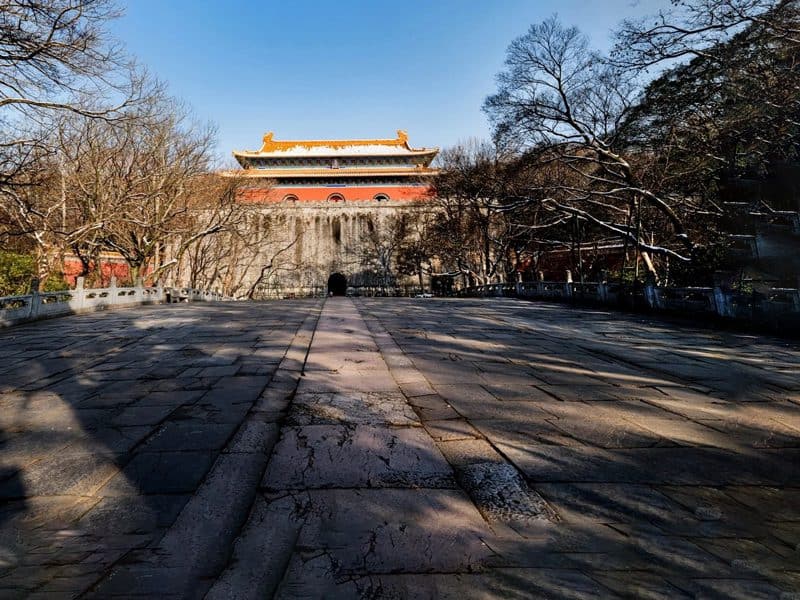
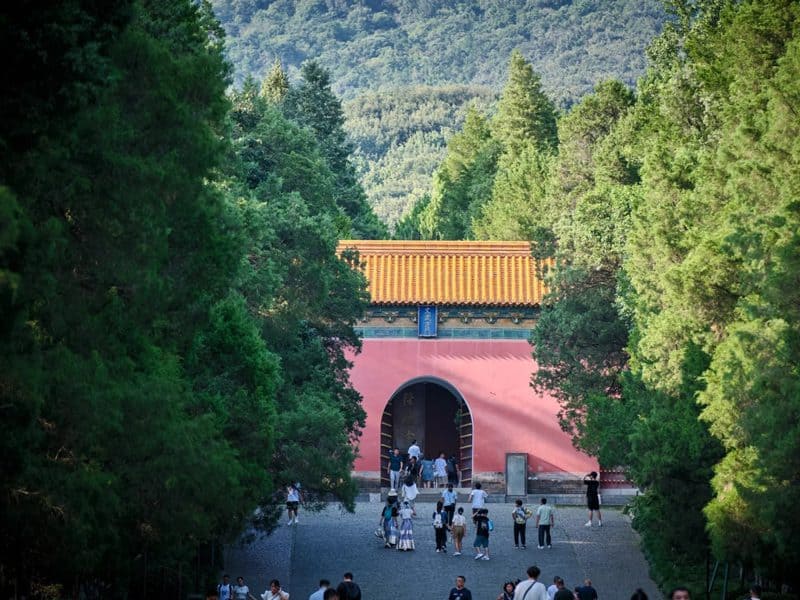
Next, visit the nearby Ming Xiaoling Mausoleum, the tomb of Zhu Yuanzhang, the founding emperor of the Ming Dynasty. As a UNESCO World Heritage site, it holds profound historical memories. You will walk along the winding and undulating Stone Animals Road, lined with giant stone beasts and statues of civil and military officials. This sacred path follows the natural contours of the mountain, setting a precedent for the construction of imperial tombs in later dynasties.

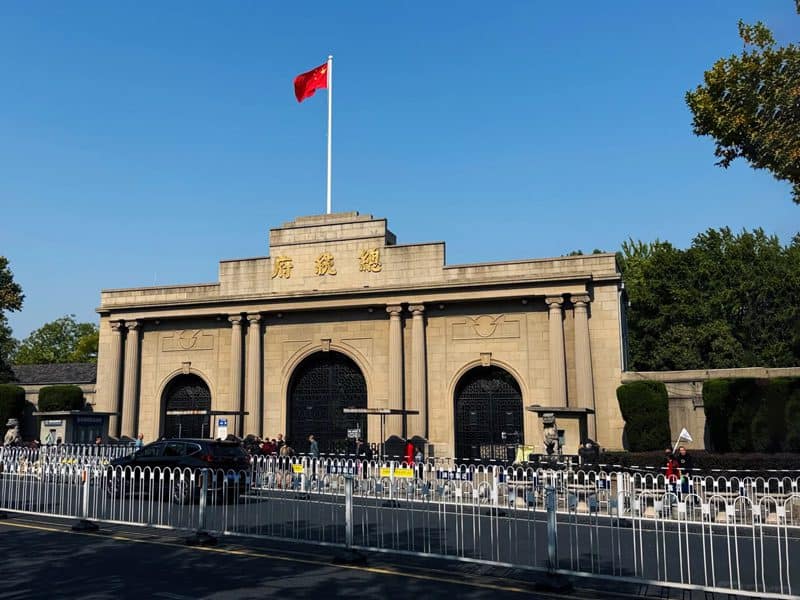
In the afternoon, return to the city to visit the Presidential Palace. This complex once served as the central government office of the Republic of China and has witnessed over six hundred years of history, from the Ming and Qing dynasties, the Taiping Heavenly Kingdom, to the Nationalist government period. You will explore the architectural complex, where Chinese gardens and Western-style office buildings are interspersed, experiencing the profound atmosphere of numerous major events in modern Chinese history that unfolded here.

Welcome to Huangshan, a city renowned for its spectacular mountain scenery! Upon arrival in Huangshan, our staff will meet you at the arrival hall of the airport/train station with a sign and transfer you to your hotel in the city for check-in.

Medical Tourism in China | Suzhou Fenglin International

Ming Xiaoling Mausoleum, Nanjing

Medical Tourism in China | Suzhou Fenglin International

Presidential Palace, Nanjing

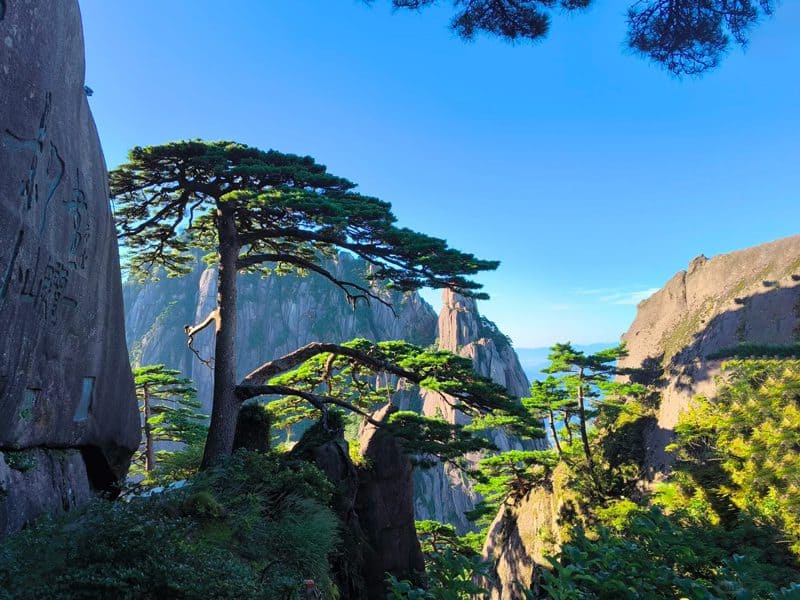
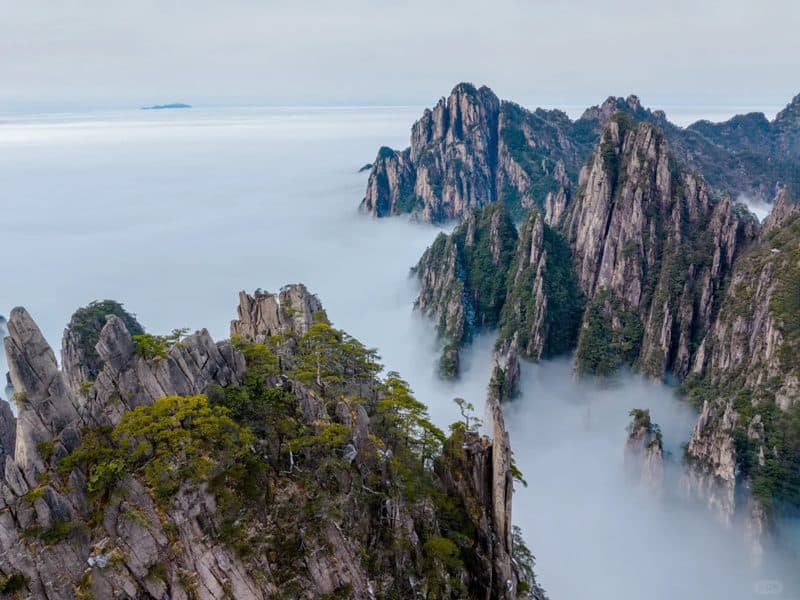
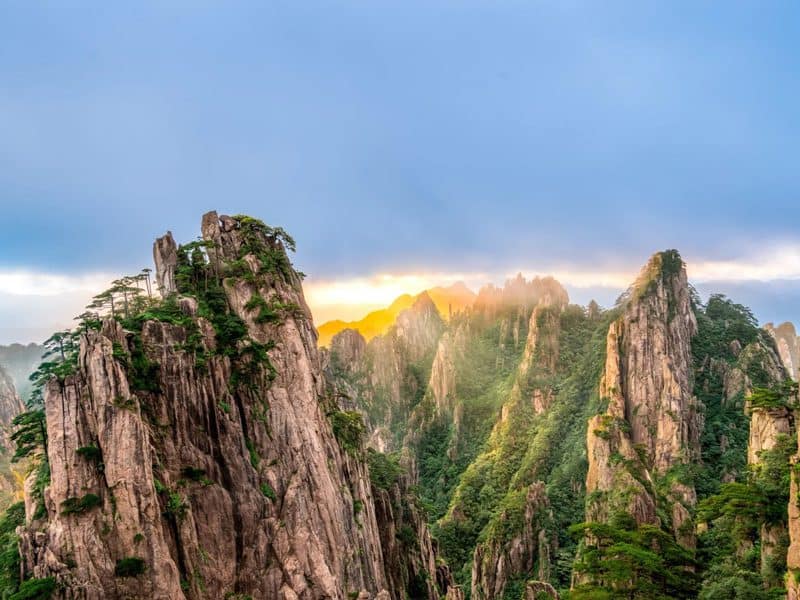
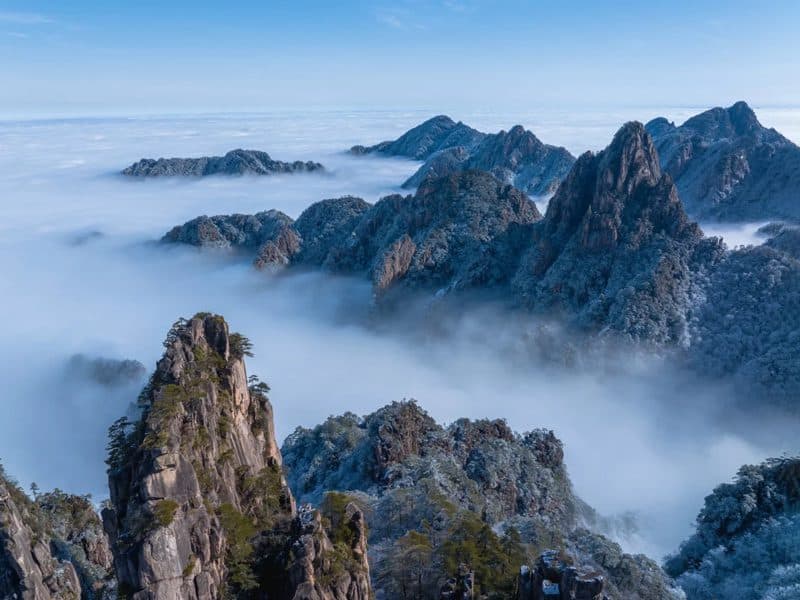
After breakfast, your guide and driver will pick you up at the hotel lobby, and then begin a full day of exploration in Huangshan. As a UNESCO World Heritage site, Huangshan is one of China’s most famous and spectacular mountains, renowned for its “Five Wonders” – intricately carved granite peaks, uniquely shaped pine trees, snow-covered winter landscapes, vast and magnificent sea of clouds, and steaming hot springs.

The first part of the itinerary involves a drive (80 km, approx. 1.5 hours) from Huangshan City to the foot of the mountain, where you will transfer to a scenic area bus to Yun Gu Temple and take a cable car directly to the Beihai Scenic Area. Upon arrival here, the strange peaks, bizarre rocks, and stunning scenery will unfold before your eyes.

The hiking tour begins at Shixin Peak, where numerous uniquely shaped pine trees gather, leaving you in awe. Continue along the stone path for about 40 minutes to Paiyun Pavilion – an excellent viewing platform for the West Sea scenery. Whenever clouds and mist swirl, the layered peaks emerge and disappear, resembling floating islands in a vast ocean of waves.

Continue to Feilai Stone, a giant rock over 12 meters high, standing obliquely on a flat terrace, as if a celestial visitor has descended to the mortal world. If your energy permits, you can also challenge the second highest peak of Huangshan, Guangming Ding, to take in the magnificent mountain views.

At the end of the tour, take the cable car leisurely down the mountain. In the evening, a dedicated vehicle will take you back to your hotel in Tunxi to rest and reminisce about your poetic encounter with Huangshan today.

Medical Tourism in China | Suzhou Fenglin International

Huangshan Scenery, Huangshan

Medical Tourism in China | Suzhou Fenglin International

Huangshan Sea of Clouds, Huangshan

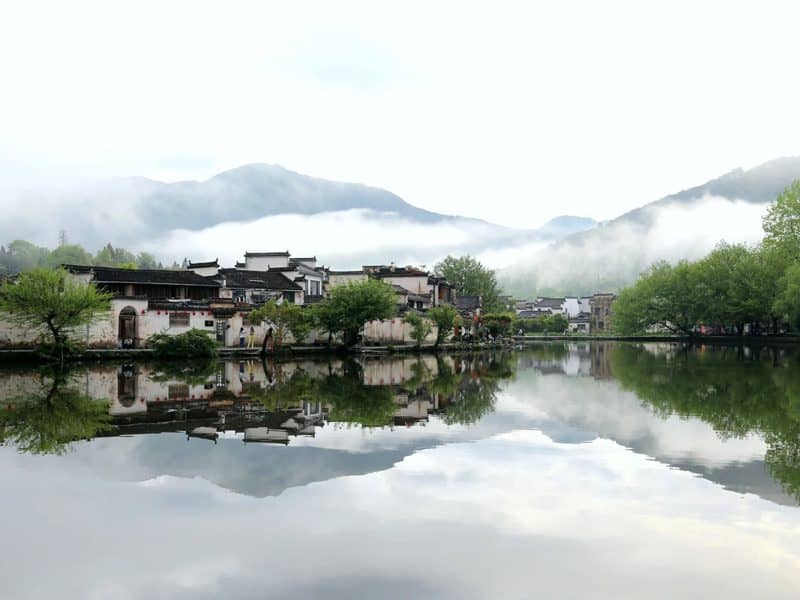
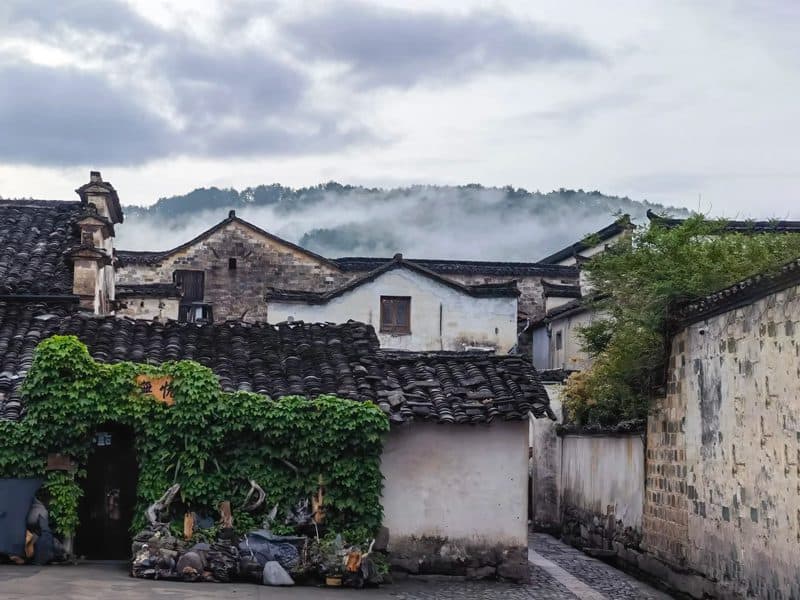
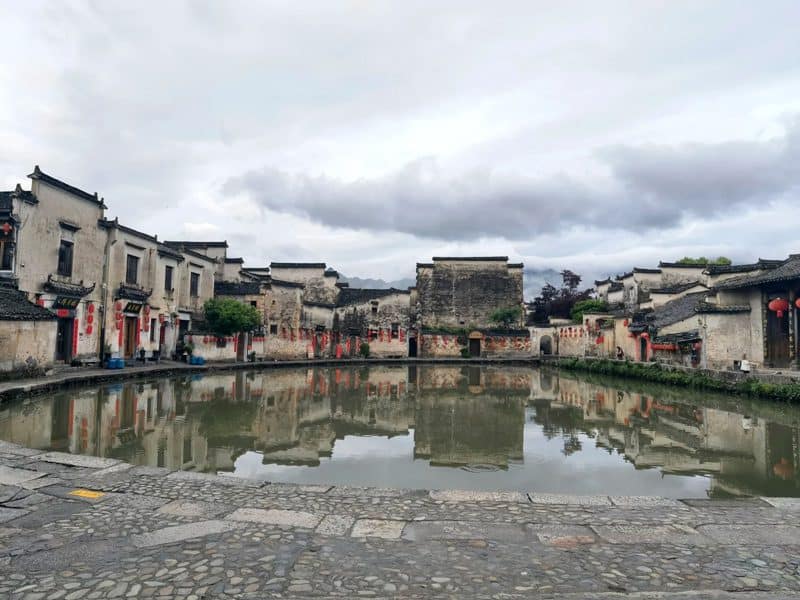
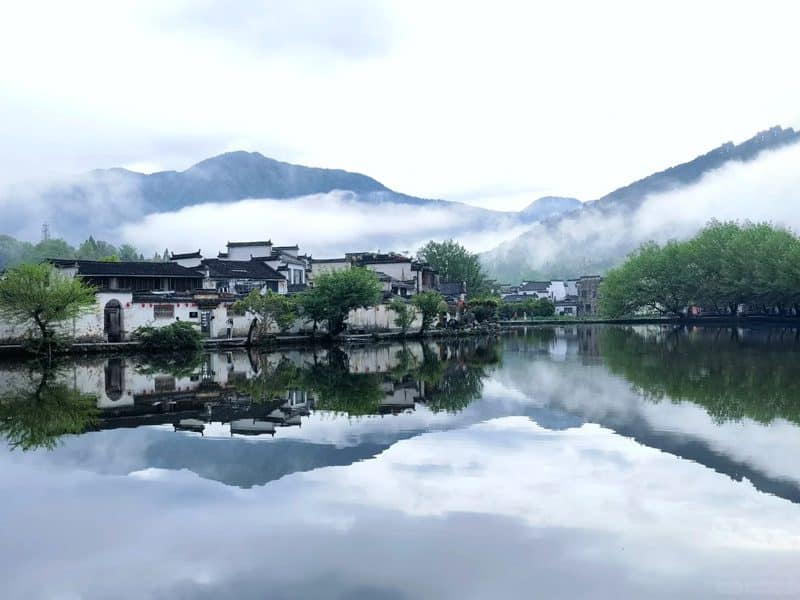
After breakfast, your guide and driver will pick you up at your hotel to begin a full day of exploration. The first stop is Hongcun Ancient Village. This village, listed as a UNESCO World Heritage site, is a masterpiece of Hui-style architecture, with picturesque scenery resembling a fairyland from a traditional Chinese ink painting. Its unique features – from the integrated water system blending with residential buildings to the meticulously carved architectural details – make it a favorite among photography enthusiasts. During your visit, be sure to stop by the crescent-shaped Moon Lake, the magnificent Chengzhi Hall, and the tranquil South Lake Academy.

Next, head to Xidi Village, which is more serene and rustic compared to Hongcun. This “Museum of Ming and Qing Dynasty Residences” with 970 years of history has over 300 ancient residences and ancestral halls. The village is built according to feng shui, with a boat-shaped layout, surrounded by mountains, and two streams converging at Huiyuan Bridge. The main street and the water system form the skeleton of the village. Walking through it, you can see historical sites such as Dafu Di (Official’s Residence) and Jing’ai Tang (Ancestral Hall for Discussion). Architectural details hide secrets: stone lion carvings signify official status, while peony patterns indicate merchant wealth. Many ancient houses are still inhabited by descendants, unfolding a vivid historical scroll for visitors. Walking through Xidi is like traveling back in time, with every carving and every courtyard telling the brilliant story of Chinese architectural art.

After the tour, you will be transferred to the train station to take a train to Hangzhou (approx. 1.5 to 2 hours journey). Welcome to Hangzhou, the “Paradise on Earth” – a cultural city with over 5,000 years of history. Upon arrival, you will be transferred to your hotel in Hangzhou for check-in.

Medical Tourism in China | Suzhou Fenglin International

Hongcun Village, Huangshan

Medical Tourism in China | Suzhou Fenglin International

Tunxi Old Street, Huangshan

After breakfast, you will start your Hangzhou tour from Xiangji Temple on the banks of the Grand Canal. This temple, along with the ancient Gongchen Bridge, forms a historical and cultural landscape beloved by locals. Xiangji Temple was first built in 978 AD and is dedicated to “Akshobhya Buddha” (Immovable Wisdom Buddha) of the “Eastern Joyful Pure Land.” It is also closely related to folk beliefs about grain. You will visit the temple’s twin pagodas, the Hall of Heavenly Kings, and the Main Hall. Locals believe that praying at Xiangji Temple is just as effective as praying at Lingyin Temple.

Next, drive to the China National Tea Museum. This is the only national-level thematic museum in China dedicated to tea culture, housing 3,865 artifacts, including ancient tea samples and foreign tea sets. The museum has two sections: (1) Shuangfeng Branch – located near West Lake and built in the style of a Jiangnan garden, featuring a statue of the “Tea Sage” Lu Yu, systematically displaying the history of Longjing tea and Chinese tea development. (2) Longjing Branch – situated on a hillside overlooking West Lake, it mainly showcases world tea culture, traditional tea-making techniques, and drinking customs from various dynasties such as Tang Dynasty boiling and Song Dynasty tea preparation.

(Warm Reminder: If your itinerary falls on a Tuesday, the China National Tea Museum will be closed. In that case, we recommend visiting the China National Silk Museum. Hangzhou is known as the “City of Silk,” with a long history of silk culture. The China National Silk Museum is the world’s largest specialized silk museum and an excellent place for you to explore Chinese silk culture and craftsmanship.)

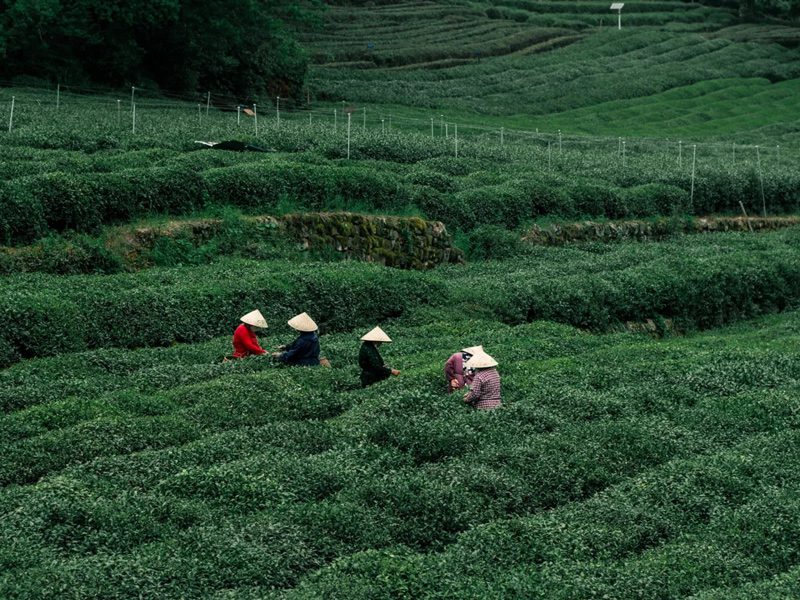
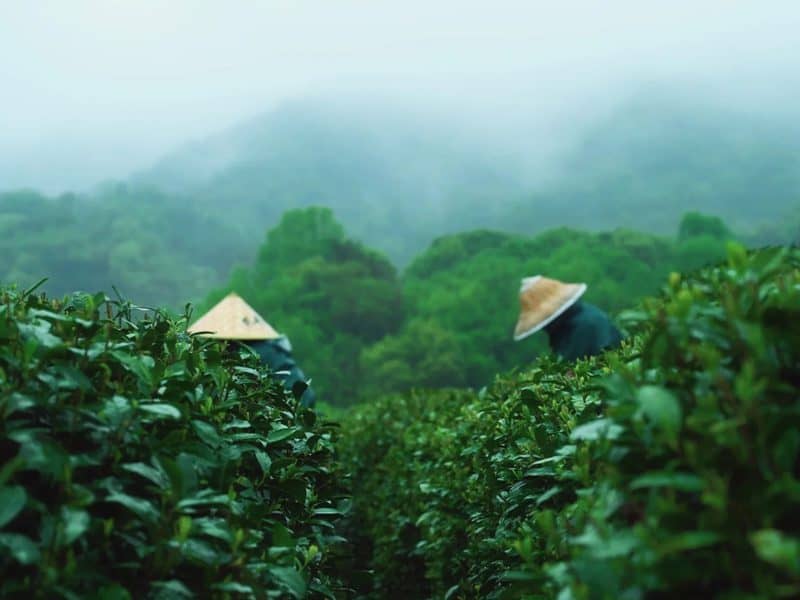
Continue to Meijiawu Tea Culture Village, the largest producing area of West Lake Longjing tea. Since the 1950s, Meijiawu has been famous for hosting national leaders and foreign heads of state, and it is particularly lively during the Qingming tea-picking season. It takes about 30,000 tender tea buds to produce one jin (0.5 kg) of high-quality Longjing tea. Stroll through the streets lined with Ming and Qing style buildings, teahouses, and tea shops. You can visit the Lu Zhenghao Tea House and observe traditional tea-frying techniques. If time permits, you can also visit the Zhou Enlai Memorial Room, which is closed on Mondays. Meijiawu is also a great place for lunch, where you can savor authentic Hangzhou cuisine and Longjing tea.

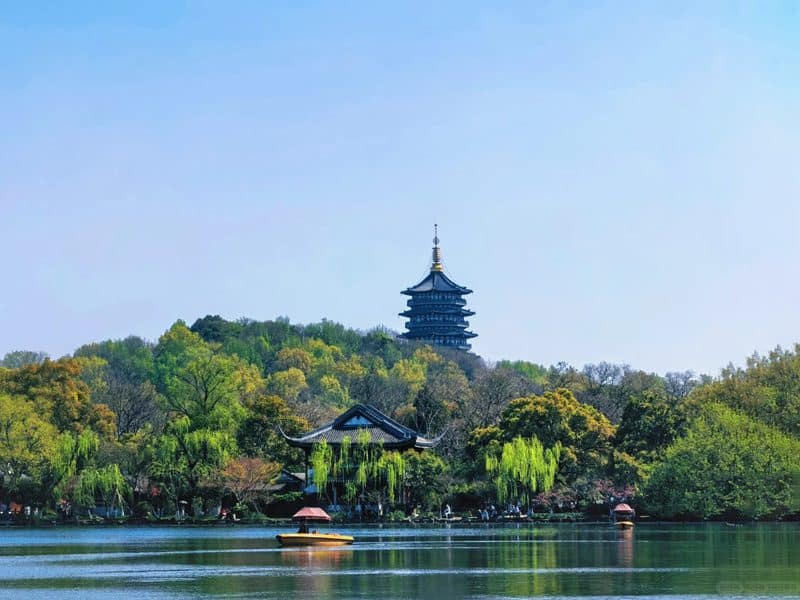
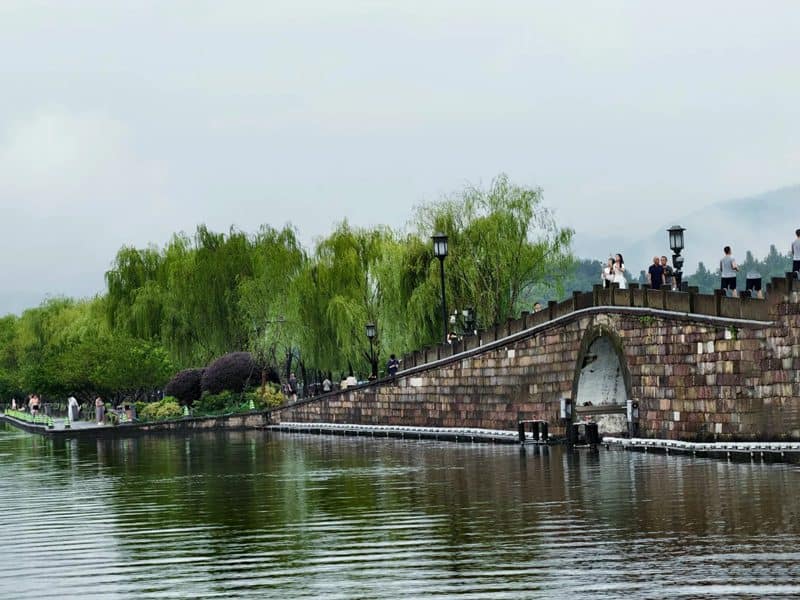
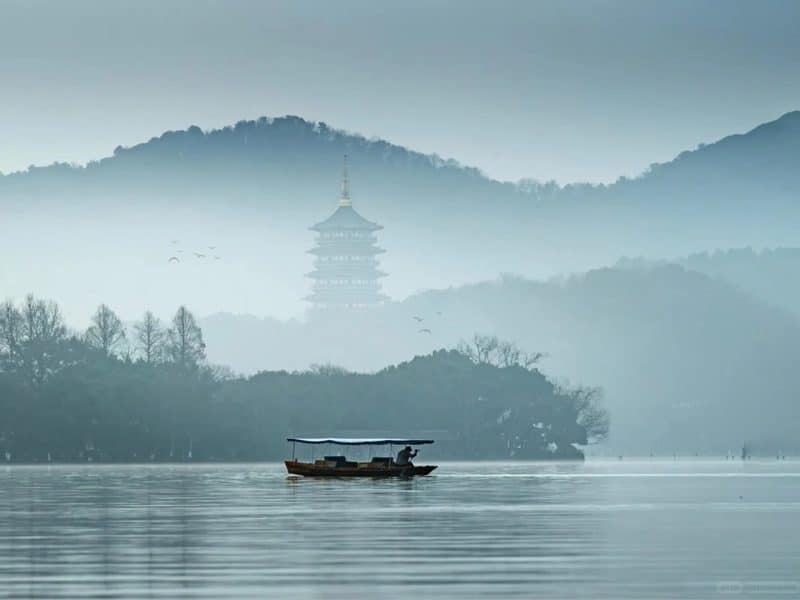
After the meal, explore the World Cultural Heritage Site – West Lake like a local. West Lake is famous for its ancient temples, classical gardens, long bridges and short dikes, ancient pagodas in the lake, teahouses by the lake, willow-lined banks, and profound literary heritage. Countless poems, songs, folk legends, and love stories have added to its splendor. You can choose your preferred way to explore: stroll along the lake, cycle (first hour free), take a West Lake boat tour (at your own expense), or ride a sightseeing bus (at your own expense).

Strolling on Su Causeway, one cannot help but recall Su Dongpo’s timeless lines:
“The water’s surface sparkles on a sunny day, and the mountains are mysteriously beautiful in the rain…”

If you are interested in Chinese legends, you can also visit:
Wan Song Academy – where Liang Shanbo and Zhu Yingtai studied together, enacting the moving legend of “Liang Zhu”.
Changqiao Bridge – the place of farewell where “Liang Zhu” parted after eighteen li of escort, and also an excellent spot to admire “Leifeng Pagoda in the Sunset”.
Leifeng Pagoda (at your own expense) – the core scene of the famous Chinese myth “Legend of the White Snake”.
Fans of “Dream of the Red Chamber” can visit Quyuan Fenghe, a filming location for the drama, or take a boat tour (at your own expense) to “Three Pools Mirroring the Moon”, a classic scene that was once printed on the back of a one-yuan RMB note.

Finally, stroll along Qinghefang Street (also known as Hefang Street), the bustling downtown area of the “Imperial City” during the Southern Song Dynasty. Today, you can explore various traditional handicraft workshops, snack shops, and the century-old traditional Chinese medicine store – Hu Qing Yu Tang (now also a museum, tickets can be purchased for visits). This pharmacy, founded by the late Qing Dynasty “Red Top Merchant” Hu Xueyan, retains its Qing Dynasty architectural style and features live demonstrations of traditional pharmaceutical craftsmanship. If time permits, you can also visit Hu Xueyan’s former residence.

Medical Tourism in China | Suzhou Fenglin International

Xiangji Temple, Hangzhou

Medical Tourism in China | Suzhou Fenglin International

Leifeng Pagoda, West Lake

Your tour of Shanghai, Suzhou, Nanjing, Huangshan, and Hangzhou is coming to an end. Your guide and driver will take you to the airport or train station for your flight or high-speed train to your next destination.

Thank you for choosing Fenglin China Tours to start your China journey. We look forward to serving you again on your next trip to China or Asia!

Price: What's Included & What's Not Included

What’s Included?

What’s Not Included?

Important Itinerary Notes for Booking a Private China Tour

How do I book a private China tour?

Booking a private China tour is very simple. Choose the tour group you are interested in and click “Free Consultation”. Please tell us your requirements and preferences when submitting the form. You do not need to pay immediately during this process. After sending your request, our professional travel experts will reply within 0.5 to 24 hours. You will only make a deposit after all information is confirmed. If you have any questions, please feel free to contact the travel expert directly.

Extend Your China Tour

The itinerary above is a sample that most travelers choose. The tour can be customized according to your preferences, interests, and budget. Also, if you want to extend this trip, just tell us your preferred destinations and activities. Our professional travel experts will completely redesign the itinerary for you and your group at the best price.Tell us your ideas now >>

Transportation

Private tours mean you will travel to tourist attractions within a city in a private vehicle. The private cars we choose are spacious, comfortable, and air-conditioned. Moreover, our drivers are experienced. As for travel between two destinations, we use domestic flights (economy class seats) or high-speed trains (second-class seats, usually less than 6 hours). Local guides and drivers will pick you up at the airport and train station and escort you to the hotel.

Meals
“B” stands for Breakfast. You will get it at your hotel the next morning.
“L” stands for Lunch. The restaurants we arrange for you are designated tourist restaurants approved by the local tourism administration. All these places are in good sanitary condition. Your guide will assist you in ordering.
“D” stands for Dinner. All dinners are not included in the itinerary. You have the opportunity to taste authentic Chinese food and local snacks.
If you have special dietary needs (vegetarian, halal, kosher, Indian, or gluten-free), please inform us before booking. We will do our best to accommodate you.

Accommodation and Hotel Conditions for China Tours

Photo Album of This Trip

Latest China Tour Customer Reviews from Beijing

Learn about our customers’ reviews of the latest China tours in Beijing. Browse their recent comments and feedback on tour arrangements, guides, transportation, attractions, dining, hotels, and detailed itineraries to plan your own unforgettable China tour. View All Customer Reviews >>

Price: Request

(Based on a private guided tour for two people. Prices vary depending on the program, travel dates, and number of people)

Free Consultation! You don’t need to pay for booking.

More Popular Cities, Attractions, and Routes in China

Highly Recommended China Tours in 2026

Scroll to Top

Please leave your name and contact information, and our medical tourism consultant will contact you within 12 hours. Thank you for your inquiry!

Please leave your name and contact information, and our medical tourism consultant will contact you within 12 hours. Thank you for your inquiry!

Medical Tourism in China | Suzhou Fenglin International

Please leave your name and contact information, and our medical tourism consultant will contact you within 12 hours. Thank you for your inquiry!

Medical Tourism in China | Suzhou Fenglin International
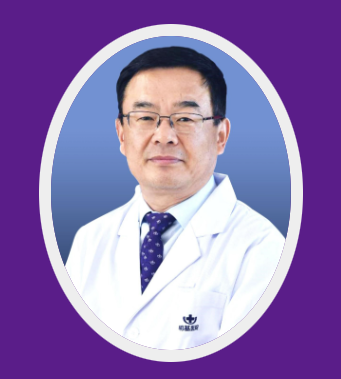
Dr. Yu Zhenkun
 

Title


Dr. Yu Zhenkun, MD, PhD


Chief of Otolaryngology-Head and Neck Surgery, BenQ Hospital Affiliated with Nanjing Medical University

 
Education
 
  • Medical Doctor & PhD, Postdoctoral Fellowship (Beijing Tongren Hospital & Memorial Sloan Kettering Cancer Center, USA)
 
Professional Experience
 
  • Vice Dean, Fourth Clinical Medical College of Nanjing Medical University
  • Professor & PhD Supervisor, Nanjing Medical University
  • Professor, Southeast University School of Medicine
  • Former Chief, Department of Otolaryngology-Head and Neck Surgery, Beijing Tongren Hospital
  • Former Deputy Director, Beijing Institute of Otolaryngology
  • Former Professor & PhD Supervisor, Capital Medical University
  • Former President & Chief Expert, Nanjing Tongren Hospital
 
Clinical Specialties
 
  • Complex Otolaryngology-Head and Neck Surgery
  • Obstructive Sleep Apnea (Pediatric & Adult)
  • Precision Laryngeal Surgery (Vocal Cord Paralysis, Cricoarytenoid Joint Reduction)
  • Targeted Treatment for Laryngeal Papilloma
  • CO₂ Laser Minimally Invasive Surgery for Laryngeal Cancer
  • Voice-Preserving Laryngeal Cancer Surgery
  • Precision Thyroid Cancer Surgery
  • Multimodal Therapy for Hypopharyngeal Cancer
  • Salvage Surgery & Reconstruction for Recurrent Head and Neck Cancers
 
Academic Achievements
 
  • Editorial Board Member of over 10 Chinese & international journals (including Chinese Journal of Otorhinolaryngology-Head and Neck Surgery)
  • Author of over 200 peer-reviewed publications
  • Editor/Translator/Contributor to 23 textbooks
 
Honors & Awards
 
  • Distinguished Young Expert of Jiangsu Province
  • Overseas High-Level Talent of Jiangsu Province
  • Jiangsu Provincial “Double Innovation” Talent & Team Leader
  • Distinguished Medical Expert of Jiangsu Province
  • Chief Expert in Head and Neck Oncology (Jiangsu Province)
  • Beijing “New Century Hundred-Thousand-Ten Thousand Talents” Program Recipient
  • Beijing Municipal Health System “Ten-Hundred-Thousand” Talent
  • Distinguished Physician Award, Chinese Medical Association of Otolaryngologists
  • Outstanding Young Investigator Award, Chinese Society of Otorhinolaryngology-Head and Neck Surgery
 
Professional Memberships
 
  • Executive Director (China), International Federation of Head and Neck Oncology Societies (IFHNOS)
  • Standing Committee Member, Asia Pacific Thyroid Surgery Association (APTS)
  • Committee Member, Laryngeal Cancer Quality Control Board, National Cancer Center
  • Standing Committee Member, Chinese Medical Association of Otolaryngologists
  • Standing Committee Member, Chinese Anti-Cancer Association Head and Neck Oncology Committee
  • Standing Committee Member, China International Exchange and Promotion Association for Medical and Healthcare (Otolaryngology Branch)
  • Chairman, Chinese Association of Non-Public Medical Institutions (Otolaryngology-Head and Neck Surgery Branch)
  • Standing Committee Member, Jiangsu Medical Association (Otolaryngology-Head and Neck Surgery Branch)
  • Vice President, Jiangsu Medical Association of Otolaryngologists

Please leave your name and contact information, and our medical tourism consultant will contact you within 12 hours. Thank you for your inquiry!

Medical Tourism in China | Suzhou Fenglin International

Please leave your name and contact information, and our medical tourism consultant will contact you within 12 hours. Thank you for your inquiry!

Medical Tourism in China | Suzhou Fenglin International

请审查以下重要信息,包括护照、签证等信息

护照信息
您的护照必须在旅程结束后至少有效六(3)个月,并且入境和出境印章应至少有两(2)页空白签证页。

我们提供简便高效的美国护照和签证处理服务,会以枫林国际旅行社的身份给您发旅游邀请函,有需要可以联系我们,需支付服务费150美金

签证信息
作为游客,您需完全负责确保携带进入中国所需的旅行证件,非免签国家游客进入中国需持旅游签证,必须在出发前直接向中国领事馆申请或通过签证处理服务获得。持有有效10年期多次入境中国签证且持有过期护照且个人信息未变的旅客,出行时必须携带过期护照和新护照。如果被要求提供在中国接待您的旅行社,请注明枫林国际旅行社:代理机构#350484

注意:请勿表示计划前往西藏,否则申请将被拒。所有前往西藏的旅客都需要特别许可,枫林国旅将代为办理。请确保在出发前60天内提供高质量的护照信息页和有效的中国签证复印件以便我们办理入藏手续。

只有当您从南美或非洲黄热病流行区抵达或经过该地时,才需要在抵达前至少10天接种黄热病疫苗。CDC和WHO各自提供了所有受影响国家的最新名单。请务必携带医生提供的国际疫苗接种证明,否则可能会被拒绝入境。如果医生建议不要接种疫苗,他们可以提供必要的相关文件。

有任何不清楚的地方可以向我们咨询,我们乐意为您解答。

—–枫林国际旅行社

Selected Value: 1
Selected Value: 0
Selected Value: 0